 Uncorked Conversations
Why Start a Weekly Wine Tasting Ritual?
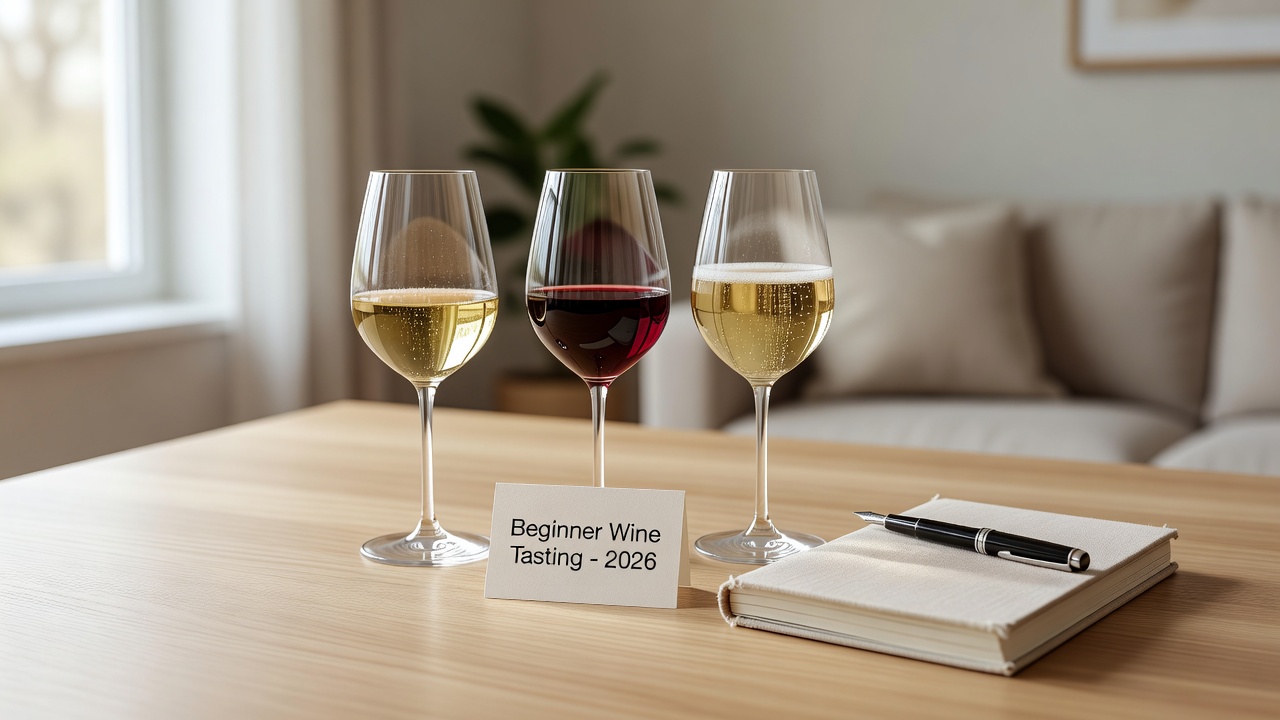
Building a consistent weekly wine tasting practice helps wine beginners develop palate skills gradually without pressure. This approach turns tasting into a relaxing habit rather than an occasional event, allowing steady progress in recognizing aromas, flavors, and finishes across styles. Unlike one-off tastings at events, a ritual creates muscle memory for sensory evaluation and builds confidence over months. Beginners often feel overwhelmed by the vast world of wine, but committing to just 20 minutes weekly removes the intimidation factor and replaces it with achievable milestones.
Selecting Your 2-3 Wines Each Week
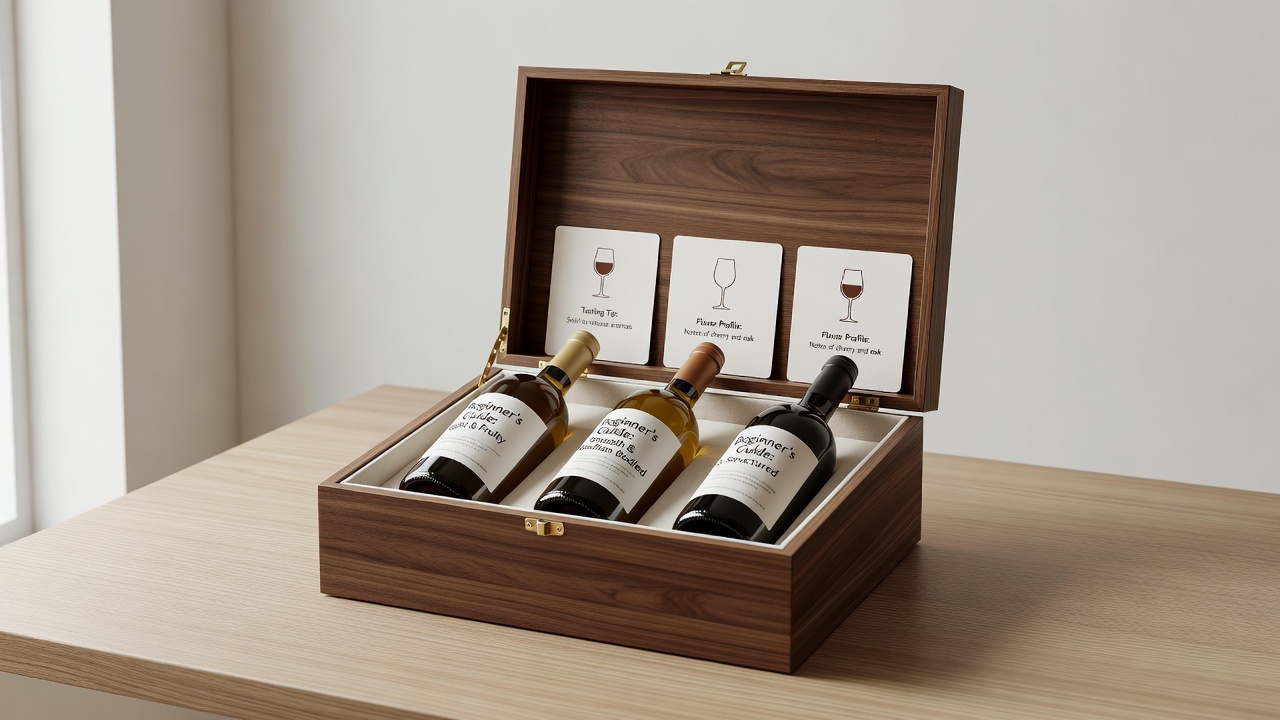
Choose affordable bottles from different categories to compare. Focus on one white, one red, and occasionally a sparkling. Rotate based on seasonal availability in 2026, such as lighter whites in warmer months and fuller reds in cooler periods. Visit local shops or explore online retailers for variety packs that encourage experimentation. Look for wines from well-known regions like California Chardonnay or Italian Pinot Grigio to start, then branch into lesser-known areas. This selection strategy ensures variety without high cost, allowing you to experience how grape variety, region, and vintage influence taste profiles.
Structuring Your 20-Minute Personal Tasting Session
Set aside 20 minutes in a quiet space. Start by observing color and clarity, then swirl to release aromas. Note initial scents before sipping. Take small sips, letting the wine coat your palate, and identify flavors. Finally, assess the finish length and any lingering notes. Repeat for each wine while keeping sessions low-key. Break the time into segments: five minutes for visual and aromatic assessment, ten minutes for palate work across the wines, and five minutes for notes. This structure prevents rushing and encourages mindful tasting.
Tracking Progress in a Basic Journal
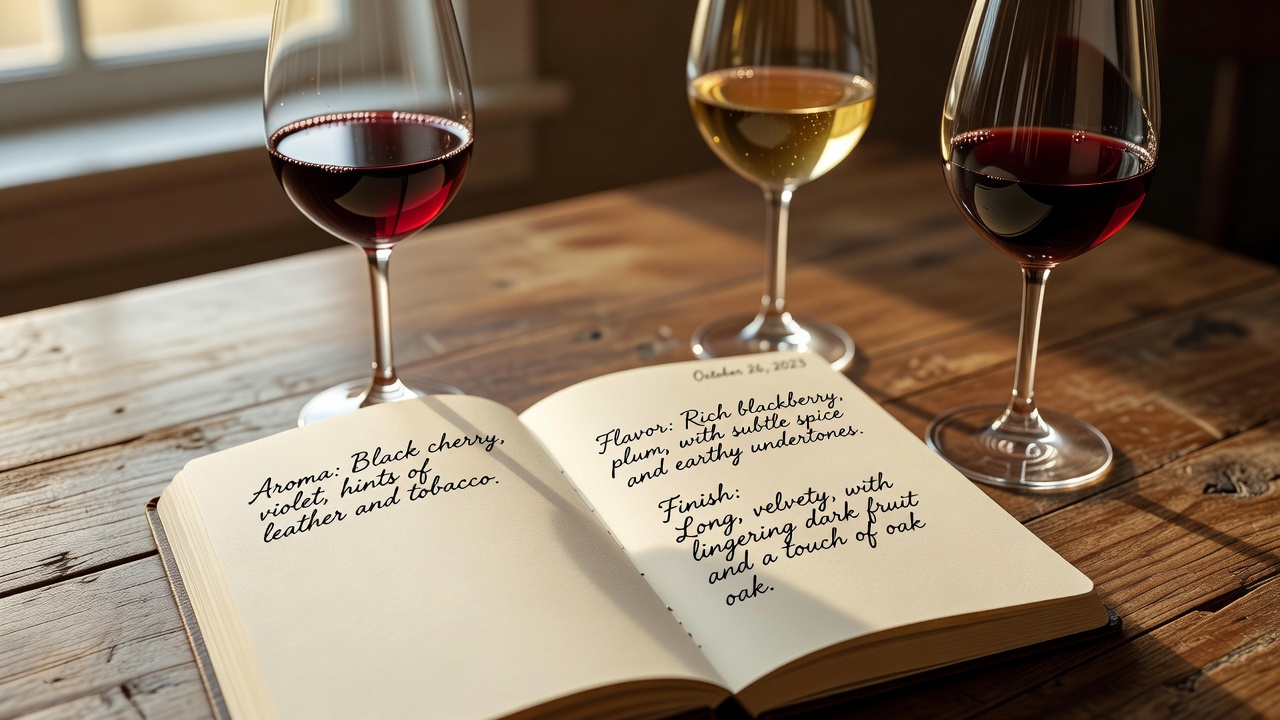
Use a simple notebook or digital app to record date, wine details, aroma descriptors, flavor notes, and overall impressions. Over weeks, patterns emerge that highlight improving recognition skills. Review past entries monthly to celebrate growth and adjust focus areas like acidity or tannin perception. For example, your first entry might note only "fruity" while later ones specify "ripe strawberry with hints of vanilla." Include columns for rating intensity on a 1-5 scale and pairing observations. This journal becomes a personal reference library that documents your evolving palate.
Pairing Rituals with Everyday Foods
Integrate tasting with routine meals. Try whites with salads or fish, reds with pasta or grilled meats, and sparklers with appetizers. This builds real-world context for how wines interact with flavors, making the ritual practical and enjoyable. Experiment with common household items like cheese, nuts, or chocolate to see how they alter perceived acidity or sweetness. Over time, you will develop intuitive pairing instincts that enhance both the wine and the food.
Adjusting for Seasonal Availability in 2026
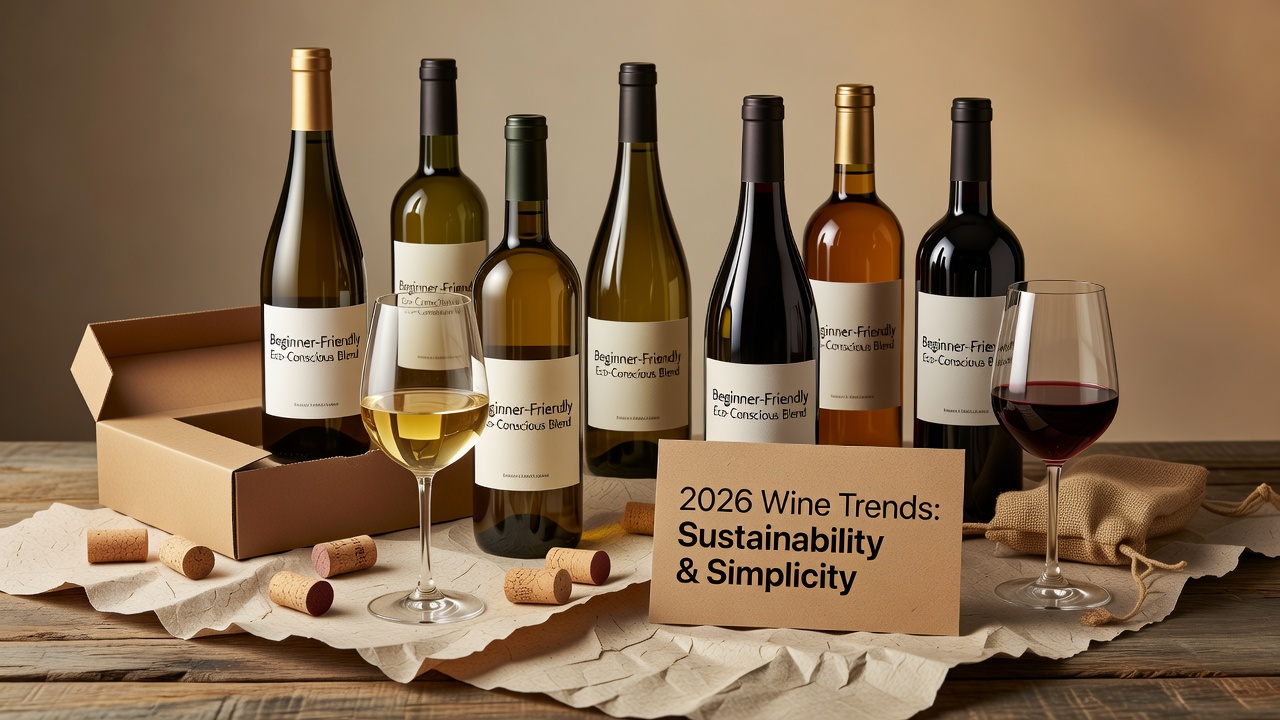
Monitor local harvests and imports. Spring might emphasize crisp whites, while autumn brings earthy reds. This keeps selections fresh and aligned with peak quality, enhancing the educational value of each session. In summer, focus on chilled rosés and light sparklers that refresh the palate, whereas winter sessions can explore fuller-bodied reds that pair with hearty dishes. Checking harvest reports from major regions helps anticipate flavor shifts and keeps your ritual connected to the wine calendar.
Comparing White, Red, and Sparkling Styles
Side-by-side tastings reveal differences in body, acidity, and bubbles. For example, a Sauvignon Blanc offers bright citrus, a Pinot Noir shows red fruit and earth, and a Prosecco delivers effervescence. These contrasts sharpen sensory awareness over time. Try the same grape from different countries to understand terroir influence, such as comparing French and New Zealand Sauvignon Blanc. Documenting these comparisons in your journal accelerates learning about balance, structure, and style preferences.
Practical Checklist for Your First Sessions
- Choose 2-3 wines under similar price points
- Prepare glasses, water, and palate cleansers like plain crackers
- Dim lighting and remove strong scents from the room
- Time the session to 20 minutes
- Record notes immediately after each wine
- Store open bottles properly for future reference tastings
- Have a second glass of water nearby to stay hydrated
Common Pitfalls and Solutions
Overloading sessions leads to fatigue—stick to the time limit. Ignoring temperature affects aromas; serve whites chilled and reds at room temperature. Inconsistent journaling misses progress—set a weekly reminder. Solutions include starting small and focusing on enjoyment first. Another frequent issue is skipping the swirl step, which reduces aroma detection; always practice the motion even with non-alcoholic alternatives during practice rounds. If distractions arise, schedule the ritual at the same time each week to build routine.
Short FAQ on Maintaining Consistency
How do I stay motivated without overwhelm?
Keep sessions short and pair with favorite snacks. Treat it as self-care rather than study. Celebrate small wins like correctly identifying a new aroma.
What if I miss a week?
Resume the next without guilt. Flexibility prevents burnout and supports long-term habits. Consider a makeup session on a weekend if needed.
Can I taste alone or with others?
Both work. Solo builds personal notes; occasional group sessions add shared insights and friendly discussion.
Should I invest in special glasses or tools?
Start with standard wine glasses you already own. Upgrade only if the ritual becomes a lasting hobby.
How long until I notice improvement?
Most beginners report clearer flavor identification after four to six consistent weeks.
For more on wine education, explore Wine Magazine, Serious Eats, and Wine Folly resources.
Conclusion
Establishing a weekly wine tasting ritual transforms beginners into confident tasters through repetition and mindful practice. By following the structured steps, maintaining a journal, and adapting to seasons, you create a sustainable path to deeper appreciation. Start this week and watch your skills grow steadily throughout 2026.
No comments yet. Be the first!