 Uncorked Conversations
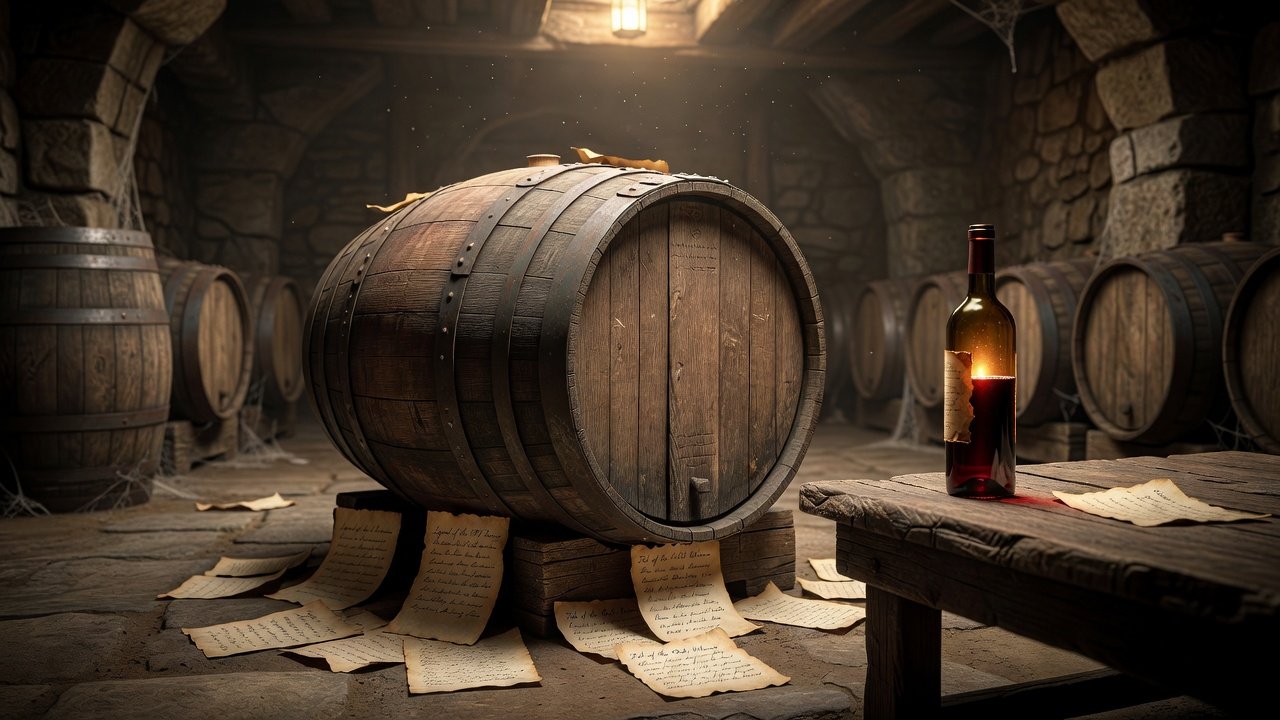
Introduction: Why Wine Stories Matter in 2026
Every great wine legend begins with a simple anecdote—a harvest mishap, a chance encounter in the vineyard, or a family tradition passed down through generations. In 2026, enthusiasts are no longer satisfied with static tasting notes; they crave narratives that connect emotionally and travel seamlessly across digital platforms. This guide provides a practical blueprint to elevate those raw stories into compelling wine legends that resonate with modern audiences. Search intent around wine storytelling has shifted toward actionable techniques that blend historical context with shareable formats. Whether you are a hobbyist winemaker in an emerging region or a content creator, mastering narrative arcs ensures your tales endure beyond fleeting social media posts. The power of storytelling in wine lies in its ability to humanize complex processes like fermentation and terroir expression, turning technical details into relatable journeys that build lasting brand loyalty.
Identifying Core Story Elements in Winemaker Anecdotes
Begin by dissecting your personal anecdote into foundational components. The key elements include the protagonist (often the winemaker or grape itself), the setting (terroir, vintage conditions), the conflict (weather challenges or market shifts), and the resolution (the resulting bottle). In 2026, successful stories also weave in sustainability themes, reflecting global interest in regenerative viticulture. To identify these elements systematically, review your notes or recordings from the vineyard and highlight moments of tension or surprise. For example, a simple observation about late frost becomes a core conflict when framed against the protagonist's determination to protect young vines using traditional methods passed down from grandparents.
Compare a flat anecdote—“We picked grapes in the rain”—with a layered version that highlights resilience and heritage. Real examples from emerging regions like the highlands of Mexico or eastern European micro-vineyards show how local folklore can amplify these elements. Expand your analysis by asking: What universal human emotion drives this moment? How does the environment shape the outcome? Documenting these answers creates a rich foundation for legend-building.
Structuring Narrative Arcs Around Wine Legends
Apply classic storytelling frameworks such as the hero’s journey or three-act structure to your wine tales. Act one sets the scene in the vineyard; act two introduces tension like climate variability; act three delivers triumph in the glass. This approach transforms isolated moments into legends that feel mythic yet authentic. Follow this step-by-step method for any anecdote: First, outline the full timeline of events from bud break to bottling. Second, identify emotional peaks where stakes rise or unexpected discoveries occur. Third, layer in sensory progression from vine to bottle to create immersion. Fourth, end with a forward-looking hook for future vintages that invites readers to anticipate the next chapter.
Practical application includes mapping your story onto a simple arc diagram. Test the structure by summarizing it in three sentences to ensure logical flow before expanding into full prose. This method draws from timeless narrative principles while adapting to contemporary wine culture where consumers value authenticity over perfection.
Incorporating Sensory Details for Immersive Impact
Sensory richness separates memorable legends from forgettable notes. Describe not only aromas and flavors but the tactile feel of soil, the sound of fermenting must, and the visual evolution of color in the glass. Use vivid language that invites readers to experience the wine themselves. For instance, instead of “notes of cherry,” evoke “the burst of sun-warmed cherries picked at dawn after a cool night breeze swept through the limestone soils.” This technique draws from established wine writing traditions documented by leading publications and organizations such as the International Organisation of Vine and Wine.
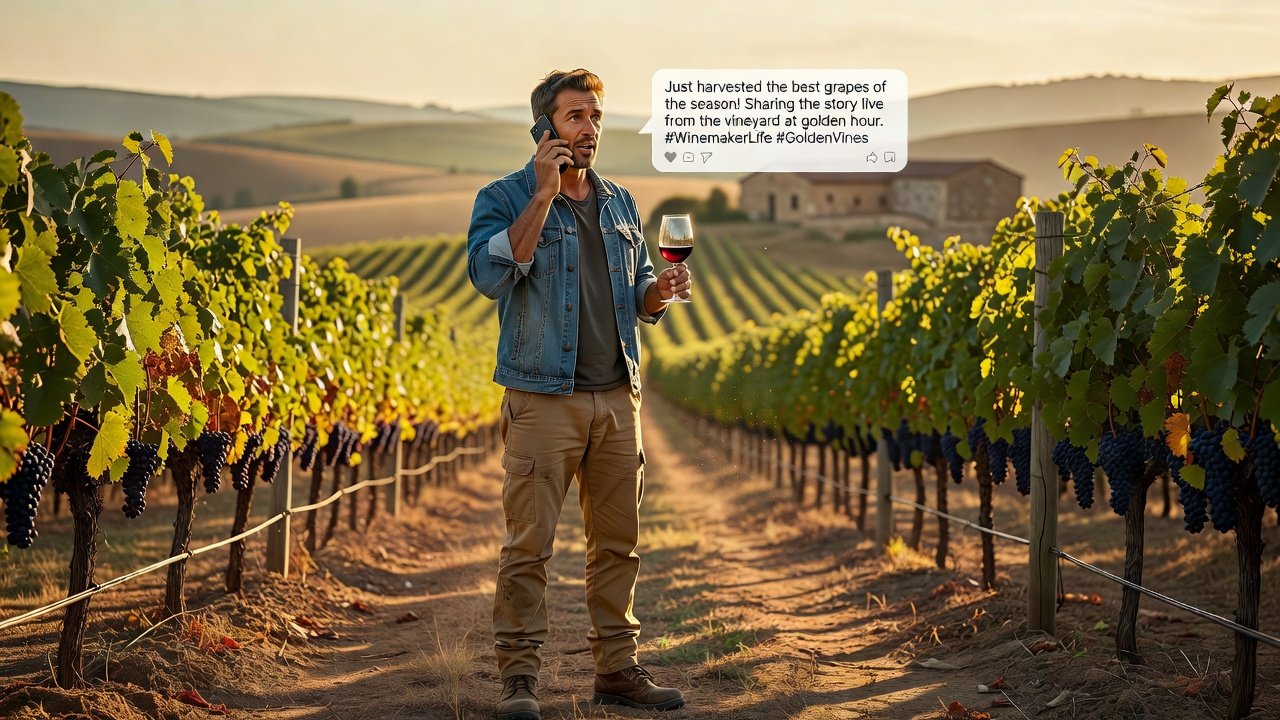
Build immersion by engaging all five senses in sequence: sight first with vineyard visuals, then smell and taste during harvest descriptions, followed by touch during pressing, and finally sound during aging in barrel. Readers report higher engagement when stories include specific, verifiable sensory anchors rather than vague adjectives. Practice by rewriting one paragraph daily, focusing on replacing generic terms with precise, location-specific details that ground the legend in reality.
Adapting Stories for Social Platforms in 2026
Platform-specific tailoring is essential for maximum reach. Instagram favors carousel sequences showing story progression across multiple images, while short-form video on TikTok thrives on conflict-to-resolution hooks under 30 seconds. LinkedIn suits professional angles on winemaking innovations and pairs well with longer text posts. X (formerly Twitter) excels at threaded narratives that unfold over several tweets, allowing real-time audience interaction. Always include calls to action that encourage user-generated continuations of your legend, such as asking followers to share their own vintage memories.
In 2026, emerging tools like AI-assisted caption generators can help refine tone for each platform, but always review for authenticity. Cross-post strategically while adjusting length and emphasis—visuals dominate Instagram, while text depth performs better on blogs linked from social bios. Track engagement metrics to refine your approach over successive vintages.
2026 Case Examples from Emerging Regions
Consider a producer in the Swartland region of South Africa who turned a drought anecdote into a legend by framing the grapes as survivors. Their digital series garnered widespread shares by pairing each post with user polls on tasting descriptors. Similarly, a young winemaker in Georgia’s emerging Kakheti highlands used ancient qvevri traditions to craft a hero’s journey narrative that attracted international sommeliers and led to collaborative tastings. Another example comes from the high-altitude vineyards of Bolivia, where a family turned a hailstorm recovery story into a serialized blog that boosted direct-to-consumer sales through emotional connection. These cases demonstrate how regional specificity combined with universal themes creates shareable legends that travel globally.
Successful Versus Flat Narratives: Key Comparisons
Successful narratives integrate verifiable history with personal emotion, employ cliffhangers for serial content, and invite audience participation through questions or challenges. Flat narratives rely on generic descriptors, ignore conflict entirely, and lack a clear resolution or call to action. To avoid the latter, audit your draft against a checklist: Does it contain at least one moment of uncertainty? Is the protagonist’s growth evident? Does the ending point toward broader implications for wine culture? Implementing these comparisons helps elevate even modest anecdotes into legends that stand the test of time.
Common Pitfalls and How to Avoid Them
Many storytellers fall into exaggeration or omit sensory grounding. Test your draft by reading aloud to non-experts; if they cannot visualize the scene, refine the details. Another frequent issue is over-romanticizing facts—always balance poetic language with documented events to maintain credibility. Finally, neglecting platform adaptation results in content that feels out of place, reducing shares. Regular peer review within wine communities can surface these issues early.
Frequently Asked Questions
How do I verify historical facts without killing the magic?
Cross-reference with regional wine archives and present facts as springboards for interpretation rather than dry lists. Resources like the International Organisation of Vine and Wine provide reliable background without constraining creativity.
What if my anecdote feels too ordinary?
Zoom in on a single sensory moment or unexpected twist; even modest harvests contain universal themes of patience and transformation that resonate widely.
Can legends be updated annually?
Yes—treat each vintage as a new chapter, maintaining continuity through recurring motifs like the family crest or vineyard landmark to build a cohesive saga over time.
How long should a social media wine story be?
Keep core hooks under 30 seconds for video and 280 characters for text threads, then link to longer-form blog versions for deeper engagement.
Should I include photos or only text?
Combine both: Use high-quality images to support the narrative while ensuring text stands alone for accessibility and search visibility.
Mastering this 2026 blueprint ensures your winemaker anecdotes evolve into legends that educate, inspire, and endure across generations of wine lovers. Start today by selecting one anecdote and mapping it through the frameworks above, then share your first draft with a trusted tasting group for feedback.
No comments yet. Be the first!