 Uncorked Conversations
Introduction: The Digital Guardian of Wine Heritage
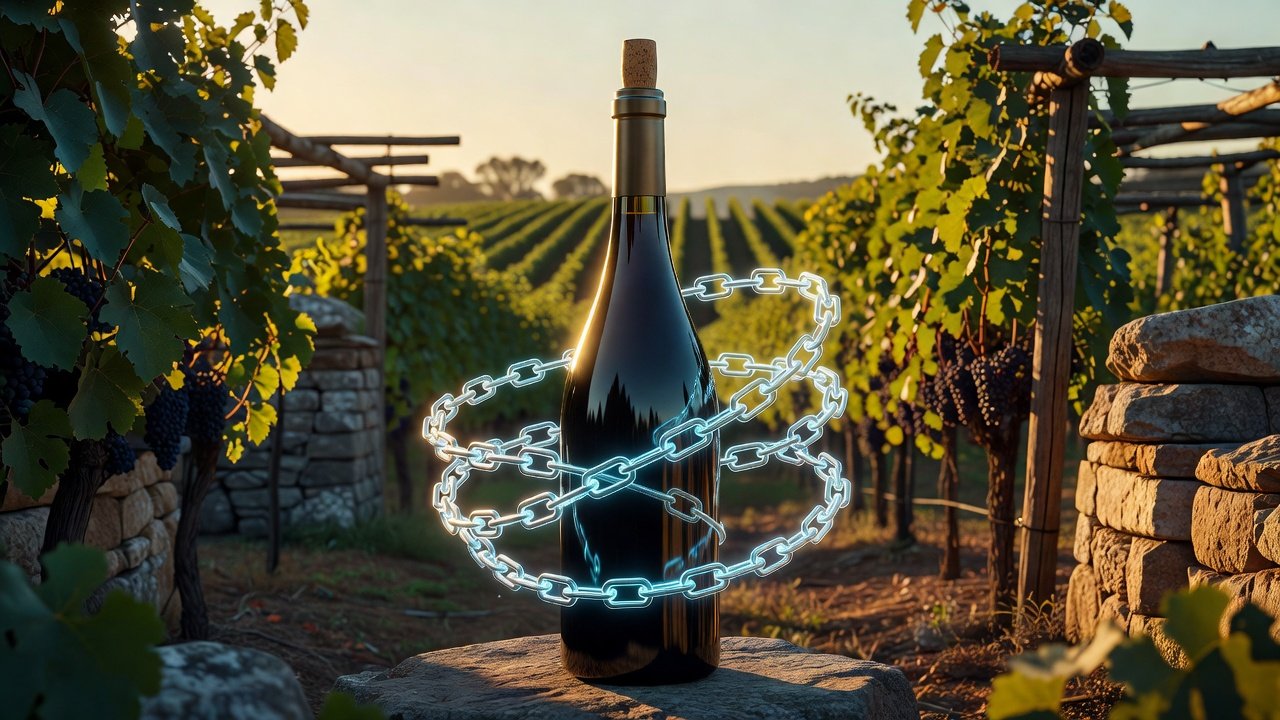
In 2026, wine enthusiasts seek more than just tasting notes—they crave verifiable stories behind every bottle. Blockchain technology has emerged as a powerful tool for preserving and enhancing these narratives, ensuring that the legends of vineyards, winemakers, and historic vintages remain authentic amid growing concerns over counterfeiting and digital verification. This technology creates a transparent chain of custody that links physical bottles to their full historical context, from soil conditions during harvest to the personal anecdotes of the vintner. As global wine markets expand and collectors demand proof of origin, blockchain addresses the search intent for tech-driven authenticity by providing immutable records that traditional paper trails cannot match. Enthusiasts can now explore the human elements of wine production with confidence, knowing that each detail has been securely logged and cannot be altered retroactively.
Understanding Blockchain in Wine Provenance
Blockchain functions as a decentralized digital ledger where each transaction or data entry is recorded in blocks linked chronologically and cryptographically. In the context of wine, this means every step—from grape harvesting and fermentation to aging, bottling, and distribution—is timestamped and stored across multiple nodes. This structure eliminates single points of failure and makes unauthorized changes detectable immediately. For preserving wine legends, it captures nuanced details such as weather events that shaped a particular vintage, family traditions passed through generations, and even cultural significance tied to specific terroirs. Unlike centralized databases managed by one company, blockchain distributes the information, fostering trust among producers, distributors, and consumers worldwide. Practical applications focus on supply chain integrity rather than hype, helping regions combat fraud that has historically plagued high-value wines.
Case Studies of Vineyards Using Blockchain for Legendary Narratives
Several vineyards demonstrate blockchain's role in elevating authentic stories. A prominent Bordeaux estate in France records every harvest detail, including precise meteorological data and soil analyses from the 2018 vintage, allowing buyers to trace how a hailstorm influenced the final blend. In Napa Valley, California producers document sustainable farming practices and community initiatives, transforming environmental stewardship into an integral part of each bottle's legend. Tuscan estates in Italy link blockchain entries to Renaissance-era family recipes, complete with scanned historical documents and audio clips from current generations. In Australia's Barossa region, wineries incorporate indigenous land narratives alongside viticultural records, creating rich cultural layers accessible to global audiences. Additional examples from Chile's Maipo Valley highlight earthquake-resilient vineyard rebuilds logged in real time, while New Zealand's Marlborough producers verify unique mineral profiles from specific river valleys. These cases show how blockchain turns factual data into compelling, verifiable legends without exaggeration.
Step-by-Step Guide to Tracing Wine Origins with Blockchain
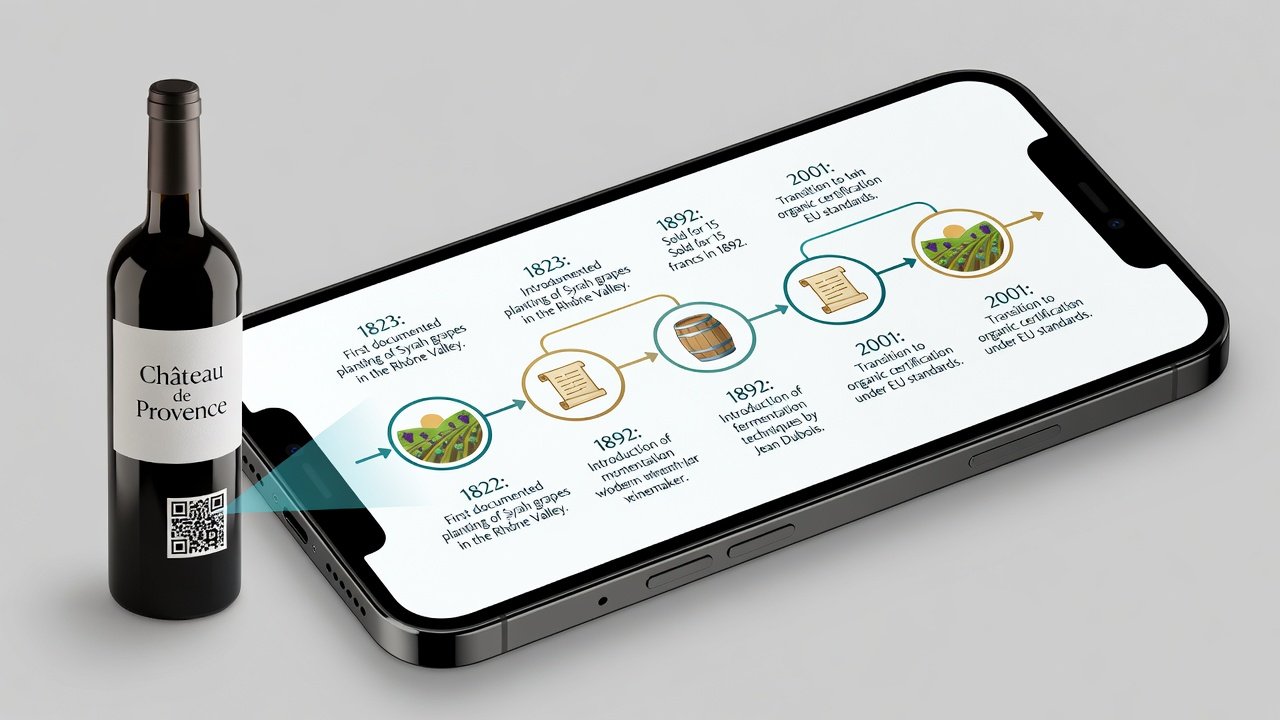
Tracing a wine's journey involves straightforward actions that anyone can perform. First, identify the QR code or NFC tag affixed to the bottle label or capsule. Second, use a compatible smartphone app to scan the code, which connects directly to the winery's blockchain network. Third, review the displayed chain of records covering harvest dates, grape varieties, fermentation temperatures, barrel selections, and final shipping routes. Fourth, examine any attached third-party certifications or lab results embedded in the ledger. Fifth, access supplementary media such as video interviews with the winemaker or photographs of the vineyard at key moments. This method empowers independent verification and deepens appreciation for the story. Users should ensure their app is updated for compatibility with evolving platforms and cross-check multiple data points for consistency.
Comparisons: Traditional Storytelling vs. Blockchain Methods
Traditional storytelling relies on printed labels, oral histories shared at tastings, and marketing brochures, which offer emotional connection but remain vulnerable to alteration or loss over decades. Blockchain methods provide permanent, searchable records accessible anywhere, yet they can initially appear clinical without added narrative elements. Traditional approaches excel in personal settings like cellar tours but falter for remote buyers seeking proof. Blockchain excels in global reach and fraud prevention while benefiting from integration with human stories. Many forward-thinking estates combine both, using blockchain as the factual backbone and traditional methods for emotional resonance. This hybrid model maximizes engagement and credibility.
IBM has supported multiple wine-sector pilots illustrating these scalable benefits, while World Economic Forum reports highlight blockchain's broader role in supply chain trust across agriculture.
Impacts on Wine Legends and Global Regions
Blockchain elevates emerging regions by offering credible evidence of distinctive terroir and heritage, thereby strengthening their legendary status among collectors. In South Africa's Stellenbosch, it has documented post-apartheid vineyard revivals, adding layers of social history to the wines. European producers benefit from alignment with export standards that favor transparent tracking. Economically, it can increase demand for verified bottles by reducing buyer hesitation, while culturally it safeguards intangible heritage against fading memories. Over time, this technology helps lesser-known areas compete with established icons by showcasing unique narratives backed by data.
Practical Examples, Decision-Making Tips, and Challenges
When selecting wines, focus on producers partnered with established blockchain platforms for seamless experiences. Beginners should test the process with accessible bottles before pursuing rare vintages. Common pitfalls include overlooking app permissions or ignoring regional network variations; always verify connectivity before purchase. Challenges such as initial setup costs for small vineyards or varying digital literacy levels are being addressed through user-friendly interfaces and cooperative platforms. Solutions include open-source tools and training programs that lower barriers, ensuring broader adoption without compromising security.
Frequently Asked Questions
Is blockchain data secure for personal wine collections?
Encryption protocols and network decentralization provide strong protection, though enabling two-factor authentication on associated apps adds an extra layer of safety for users managing digital certificates.
How accessible is this technology for small vineyards?
Entry-level solutions have become widely available through cooperatives and simplified software, allowing boutique producers to participate without prohibitive investments or technical expertise.
What if a winery’s blockchain record appears incomplete?
Reputable systems automatically flag missing entries, prompting buyers to request supplementary traditional documentation such as harvest logs or laboratory certificates from the producer.
Does blockchain replace the romance of wine storytelling?
No, it serves as a factual foundation that wineries enhance with videos, interviews, and personal notes, preserving emotional connections while adding verifiable depth.
Can consumers without technical knowledge use these tools?
Modern apps feature intuitive interfaces with guided prompts, making provenance checks accessible to enthusiasts of all experience levels within minutes.
Conclusion
Blockchain technology is transforming how wine legends are preserved and shared in 2026 by combining immutable records with rich human narratives. Through practical implementation across diverse regions, it builds lasting trust and invites enthusiasts to engage meaningfully with each bottle's history. By exploring verified platforms and following the tracing steps outlined, collectors and casual drinkers alike can discover and protect the authentic stories that define exceptional wines.
No comments yet. Be the first!