 Uncorked Conversations
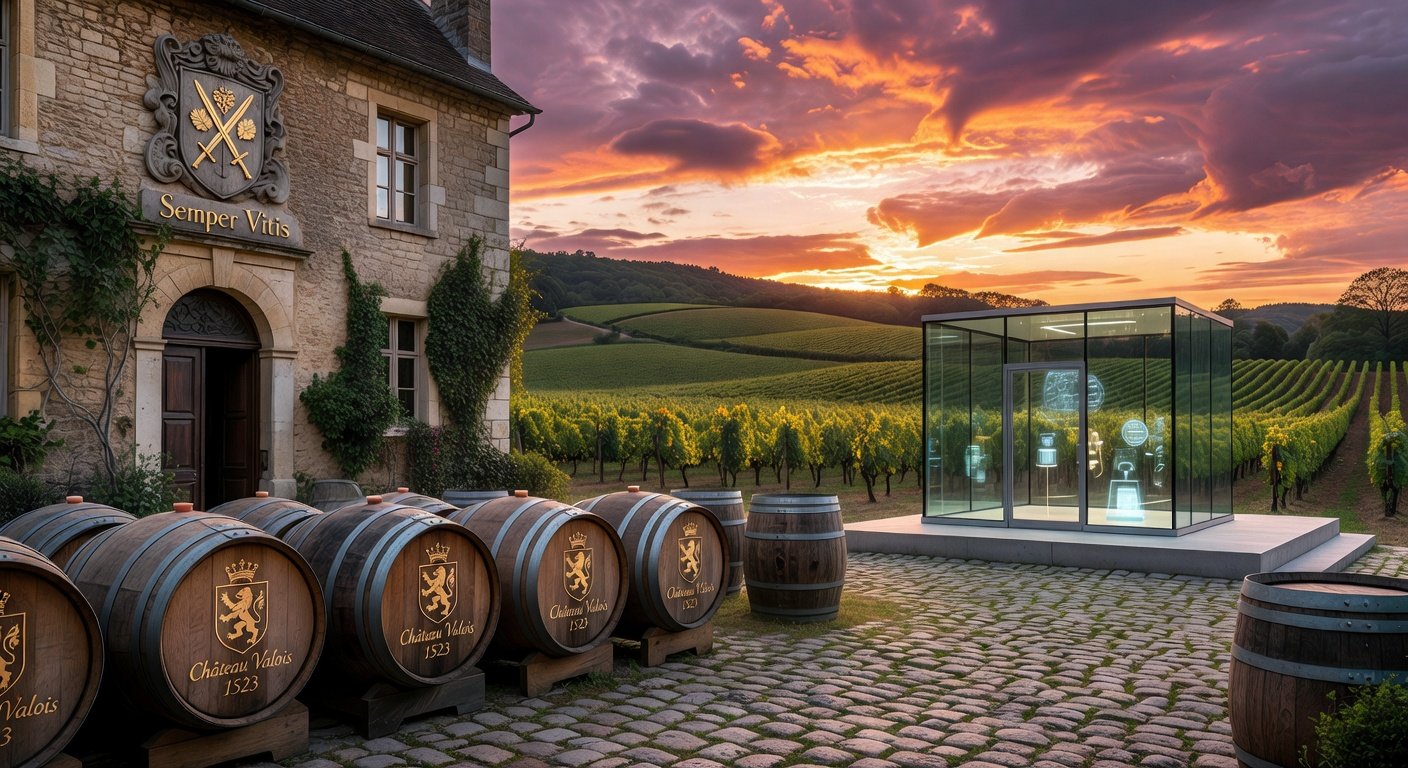
In the rolling hills of ancient vineyards, where soil whispers secrets of centuries past, lie the stories of forgotten winemaker dynasties. These multi-generational families didn't just make wine—they sculpted the very soul of viticulture. As we approach 2026, their legacies are fueling a renaissance in sustainable practices, cutting-edge technology, and bold flavor innovations. This article dives deep into five overlooked dynasties, their epic triumphs and harrowing challenges, and exclusive insights from current heirs on how these legends are propelling the wine industry forward.
The Enduring Legacy of Multi-Generational Winemaking
Winemaking dynasties represent more than family businesses; they are living archives of terroir, tradition, and adaptation. Unlike fleeting trends, these families have weathered wars, economic collapses, and climate shifts, passing knowledge through bloodlines. What makes them 'forgotten'? Often overshadowed by celebrity estates or corporate giants, their quiet persistence has profoundly influenced global wine styles.
Today, as 2026 looms with promises of AI-driven viticulture and regenerative farming, these dynasties offer blueprints for resilience. Their stories remind us that true innovation honors the past while embracing the future.
Hugel Family: Alsace's Guardians of Riesling Purity (Since 1639)
Nestled in Riquewihr, France, the Hugel family has championed Alsace wines for 13 generations. Founded by Hans Ulrich Hugel, they survived the Thirty Years' War, phylloxera, and two World Wars. Their triumph? Pioneering late-harvest Vendange Tardive wines in the 1980s, which elevated Riesling and Gewürztraminer to cult status.
Challenges abounded: In the 1970s, they battled inferior imports flooding Europe. Marc Hugel, the 12th generation, led a crusade for AOC protections, ensuring Alsace's noble varieties shone. Today, Etienne Hugel, the current heir, shares his vision: "Our ancestors taught us that soil speaks—if we listen. In 2026, we're using drone mapping to combat climate change, preserving the slate soils that define our wines."
Wines to Seek:
- Hugel Riesling Tradition: Crisp apple and mineral notes, perfect for seafood.
- Jubilee Gewürztraminer: Lychee and spice, ideal with foie gras.
Visit their estate via the Alsace Wine Route for immersive tastings.
López de Heredia: Rioja's Time Capsule (Since 1870)
In Spain's Rioja Alta, the López de Heredia family created Viña Tondonia, a wine aged in American oak for decades. Juan López de Heredia founded the bodega amid phylloxera devastation, importing rootstocks that saved Spanish vines. Their unfiltered, oxidative style—Tempranillo with leather and balsamic notes—defied modern trends.
Triumphs included exporting to royalty in the early 1900s. Challenges? The Spanish Civil War destroyed cellars, yet they rebuilt. María José López de Heredia, current co-director, reflects: "We've aged wines for 100 years; now, for 2026, we're experimenting with amphorae and solar-powered cellars to honor our oxidative heritage sustainably."
Practical Tip: Pairing and Buying
- Start with Viña Gravonia Blanco: Nutty, sherry-like; pairs with aged cheeses.
- Seek vintages from 1942 or 1964 at auctions—patience yields profound complexity.
- Avoid over-oaked modern Riojas; Heredia's purity cuts through.
Explore Rioja's traditions at the official Rioja Wine site.
Symington Family: Port's Unyielding Portent (Since 1882)
Portuguese Port legends, the Symingtons dominate the Douro Valley. Starting with brandy for fortification, they acquired Graham's and Dow's, blending old vines with modern tech. Triumph: Reviving Touriga Nacional through massal selections during the 1970s EU integration.
Challenges included the 1980s vineyard reforms that uprooted ancient plots. Paul Symington, CEO and fifth-generation, notes: "Our forebears grafted resilience into our DNA. By 2026, blockchain traceability and dry-farmed vines will connect consumers to our 1882 roots."
Vintage Ports from 1927 remain sublime, with black fruit and spice.
Jean-Pierre Moueix: Bordeaux's Right Bank Rebels (Since 1930)
From Libourne, the Moueix family elevated Pomerol and St. Emilion with Petrus and La Fleur-Pétrus. Christian Moueix expanded to Napa, bridging Old and New Worlds. Triumphs: Discovering Pétrus' blue clay in the 1940s.
Facing frost and mildew, they innovated frost fans. Edouard Moueix shares: "Pomerol's magic is intangible. For 2026, we're trialing CRISPR-edited Merlot for drought resistance, echoing my grandfather's grit."
Details on Bordeaux estates at Bordeaux.com.
Perrin Family: Châteauneuf-du-Pape Pioneers (Since 1900)
In the Rhône, the Perrins of Château de Beaucastel mastered Grenache blends. Amid 1930s appellation fights, they co-founded Châteauneuf-du-Pape AOC. Organic since 1950, they're biodiversity leaders.
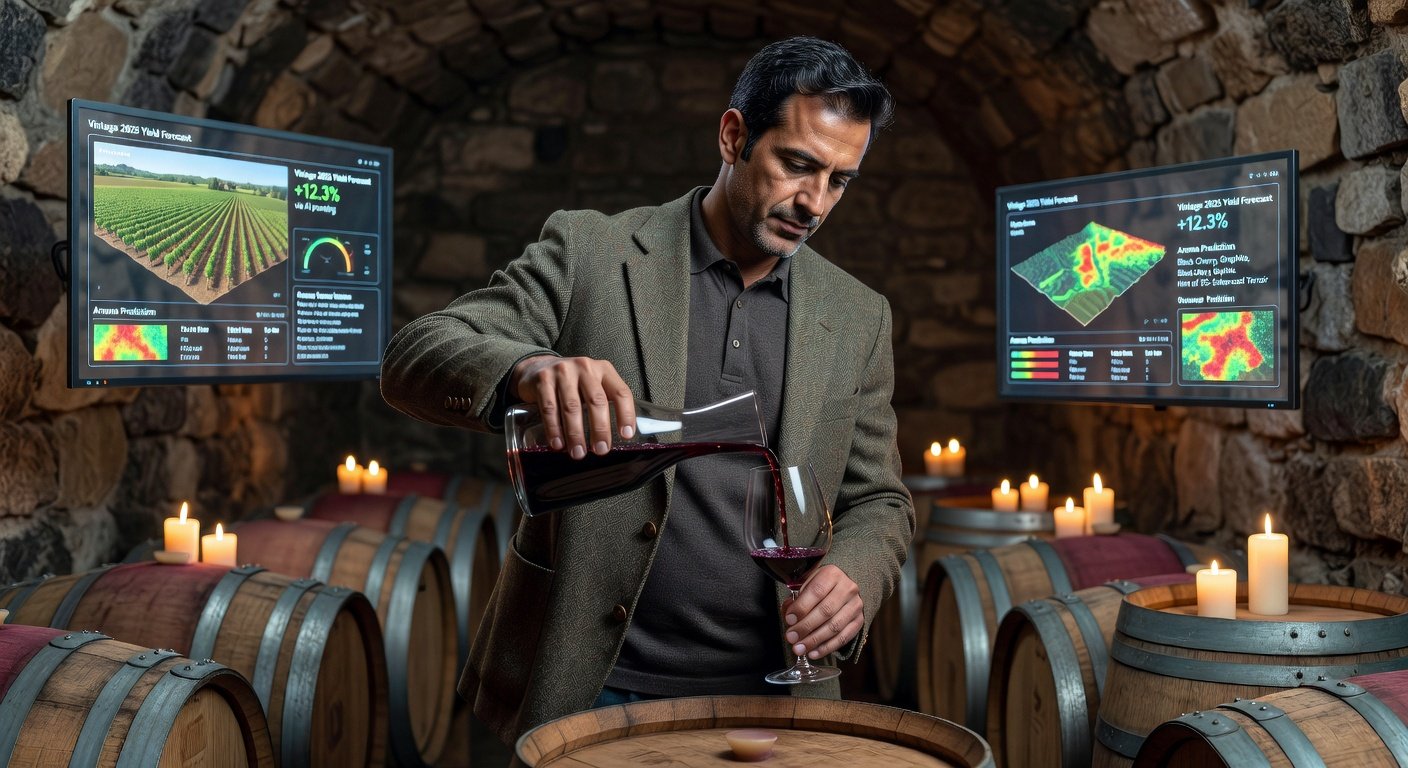
Challenges: 2003 heatwave halved yields. Marc Perrin says: "Family unity prevailed. In 2026, our agroforestry and AI yield prediction build on this, creating wines more expressive than ever."
How These Dynasties Inspire 2026 Innovations
Common threads: Terroir obsession, family governance, adaptive risk-taking. They're driving:
- Sustainability: Regenerative ag, carbon-neutral estates.
- Tech Fusion: Drones, satellite imagery for precision farming.
- Consumer Connection: NFTs for rare bottles, VR tours.
Mistakes to Avoid:
- Ignoring history: Chasing trends erodes identity.
- Over-commercializing: Authenticity trumps volume.
- Neglecting youth: Heirs blend tradition with innovation.
Finding and Enjoying Dynasty Wines Today
Hunt via Wine-Searcher for allocations. Join mailing lists; visit during harvest. Start collections with entry-level bottlings, age flagships 10+ years.
Pro Tip: Host dynasty tastings—blind compare vintages for revelations.
Conclusion: Toasting Timeless Legacies
These forgotten winemaker dynasties aren't relics; they're the vanguard. As 2026 unfolds, their stories urge us to sip slowly, honor roots, and innovate boldly. Raise a glass—their legends endure in every pour.
No comments yet. Be the first!