 Uncorked Conversations
Understanding Terroir: The Soul of Wine
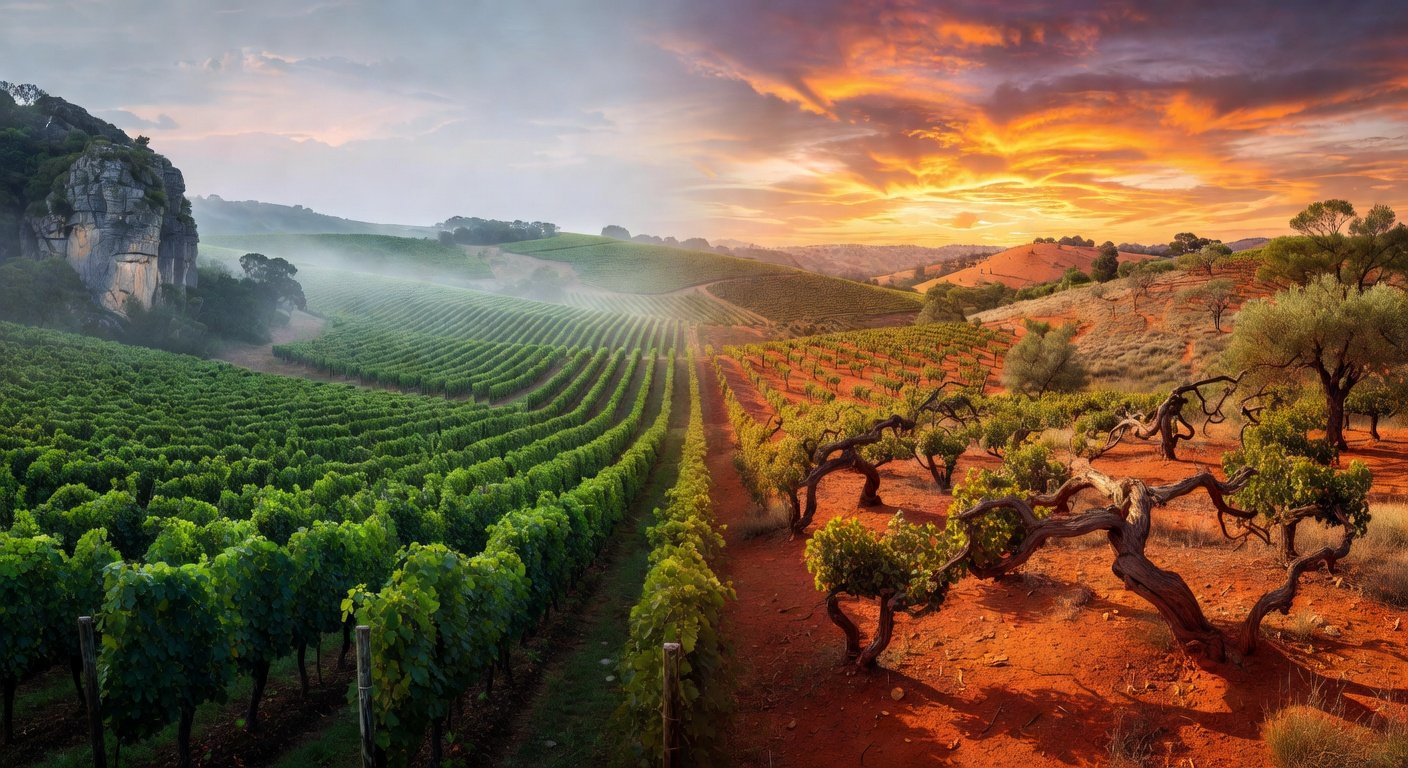
Terroir is more than a buzzword in the wine world—it's the unique combination of soil, climate, topography, and human influence that gives each wine its distinct character. From the limestone-rich hills of Burgundy to the sun-baked valleys of Australia's Barossa, terroir dictates vineyard characteristics and defines regional wines. In this guide, we'll explore these influences and provide a step-by-step plan for 2026 wine tours focused on terroir-driven tastings.
Terroir in Burgundy: Limestone, Slopes, and Elegance
Burgundy's terroir is legendary, shaped by its climats—precisely delineated vineyard parcels recognized by UNESCO. The region's Kimmeridgian limestone soils, cool continental climate, and east-facing slopes at elevations of 200-400 meters create ideal conditions for Pinot Noir and Chardonnay.
- Soil: Limestone and marl retain heat and provide excellent drainage, imparting minerality and acidity to wines.
- Climate: Frost-prone springs and warm summers with rainfall averaging 700mm annually ensure slow ripening, preserving freshness.
- Elevation: Higher slopes cool grapes for elegance; valleys offer riper fruit.
These elements produce Burgundy's iconic wines: structured reds from Côte d'Or and crisp whites from Chablis. For deeper insights, visit the official Bourgogne Wines site.
Terroir in Barossa Valley: Heat, Old Vines, and Power
In contrast, Barossa's Mediterranean climate, ancient soils, and lower elevations (around 250-370 meters) forge bold Shiraz and Grenache. Semi-arid with 500mm annual rainfall, the region relies on deep-rooted, 100+ year-old vines.
- Soil: Sandy loams over red clay lock in water, yielding concentrated flavors.
- Climate: Hot days (up to 40°C) and cool nights build sugar and tannins.
- Elevation: Gentle rises moderate heat, enhancing complexity.
This terroir crafts Barossa's rich, age-worthy wines. Explore more at the Barossa Wine official site.
How Terroir Shapes Regional Wines
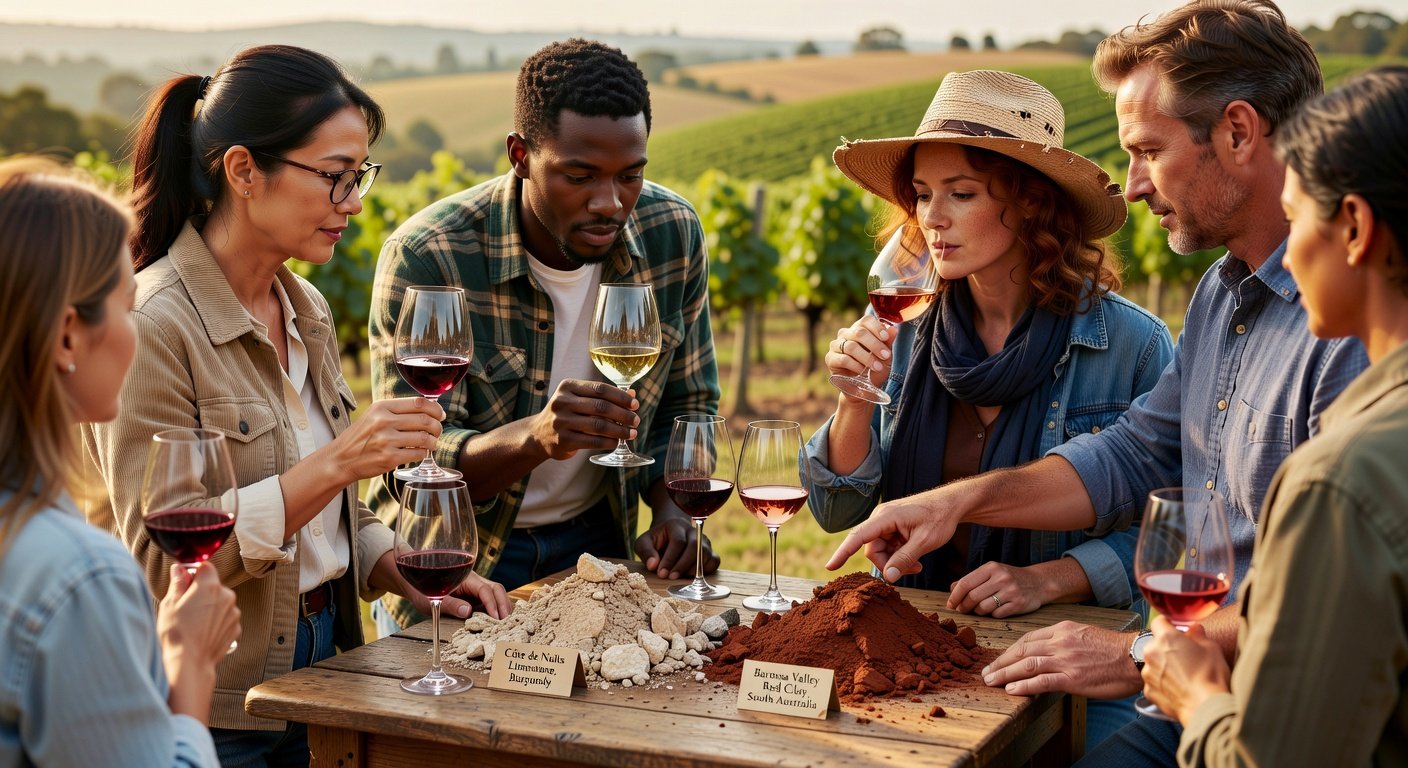
In Burgundy, limestone imparts a chalky minerality to Chardonnay, while iron-rich soils add earthy notes to Pinot Noir. Barossa's red earth contributes spice and plum to Shiraz, with elevation influencing tannin structure. Tasting these side-by-side reveals terroir's magic: Burgundy's finesse versus Barossa's intensity.
Step-by-Step Guide to Planning 2026 Wine Tours
Plan ahead for 2026—bookings fill fast. Here's your roadmap:
- Research Seasons (January 2026): Visit Burgundy in September-October for harvest vibrancy; Barossa year-round, peak spring-fall.
- Choose Focus (February): Terroir tastings? Select operators like terroir tours emphasizing soil talks.
- Book Itineraries (March-May): 7-10 days: 4 in Burgundy (Beaune base), 4 in Barossa (Tanunda hub). Include multi-vineyard days.
- Arrange Logistics (June): Flights to Lyon/Beaune or Adelaide; rent cars or join small-group tours. Budget €3,000-5,000 pp.
- Customize Experiences (July): Request geology walks, blending sessions.
- Prepare Packing List (August): Comfortable shoes, notebook, reusable glasses.
Must-Visit Vineyards
- Burgundy: Domaine de la Romanée-Conti (Côte de Nuits), Clos de Vougeot, Domaine Leflaive (Puligny-Montrachet).
- Barossa: Penfolds (multi-terroir Shiraz), Henschke (Eden Valley edge), Turkey Flat (Grenache blends).
Pairing Tours with Terroir-Driven Wines
Match experiences to terroir for memorable pairings:
Burgundy Pairings
- Chablis (cool, high elevation): Oysters or goat cheese—acidity cuts richness. Tour Chablis domaines.
- Côte de Beaune Pinot Noir (sloped limestone): Duck confit or mushrooms—earthiness mirrors soil.
Barossa Pairings
- Shiraz (hot clay soils): Barbecued lamb or dark chocolate—bold tannins balance fat.
- Grenache (sandy elevations): Spanish tapas or roast pork—spicy fruit complements.
For climate-specific tips, check UNESCO's Burgundy Climats page, highlighting elevation's role.
Tips for an Unforgettable Terroir Journey
Savor slowly: Note soil aromas, discuss vintages with winemakers. Sustainable choices like organic tours enhance authenticity. In 2026, expect immersive VR terroir maps at top spots. Whether chasing Burgundy's subtlety or Barossa's power, these tours reveal why terroir is wine's heartbeat.
Start planning—your palate awaits transformation.
No comments yet. Be the first!