 Uncorked Conversations
Introduction to Douro Valley: Portugal's Wine Gem
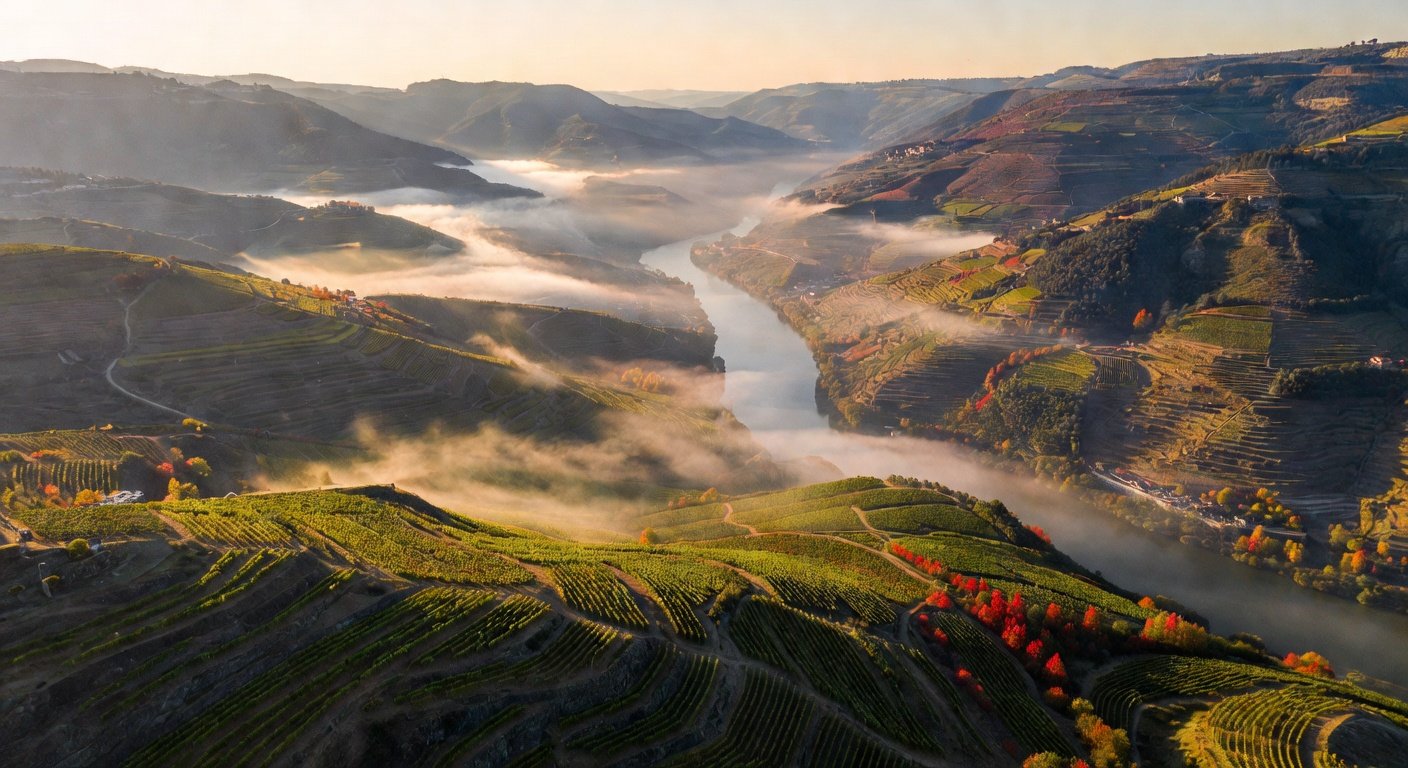
Portugal's Douro Valley is a UNESCO World Heritage site renowned for its breathtaking terraced vineyards clinging to steep schist slopes along the Douro River. This ancient wine region, one of the world's oldest demarcated wine areas since 1756, produces legendary Port wines and exceptional dry reds. In 2026, plan an immersive journey into its microclimates, unique soils, and curated experiences that blend history, nature, and viniculture.
The valley's dramatic landscape, carved by the river over millennia, creates ideal conditions for viticulture. Schist soils—rich in quartz and mica—retain heat and water, forcing vines to dig deep for nutrients, resulting in concentrated, complex wines. Terraces, built by hand over centuries, prevent erosion and maximize sun exposure, defining the region's signature style.
The Magic of Schist Soils and Terraced Vineyards
Douro's schist bedrock is the secret behind its wines' intensity. Unlike clay or limestone, schist fractures easily, allowing roots to penetrate deeply—up to 20 meters—yielding low yields but high-quality grapes. These soils contribute to the wines' structure, minerality, and longevity.
Terraced vineyards, or vinhas de enforcado (hanging vineyards), rise in amphitheater-like formations. Maintained traditionally without machinery, they showcase varieties like Touriga Nacional, Touriga Franca, and Tinta Roriz. The valley's microclimates vary dramatically: cooler, fog-prone upper Douro for elegant Ports; hotter, continental lower Douro for robust reds.
For deeper insights, explore the UNESCO World Heritage Centre page on the Alto Douro Wine Region, recognizing its cultural and viticultural significance since 2001.
Iconic Wines of Douro Valley: Port and Beyond
Port wine, fortified with grape spirit, dominates but dry table wines (Douro DOC) are rising stars. Ruby and Tawny Ports offer fruit-forward accessibility; Vintage Ports age for decades, revealing layers of dark fruit, spice, and schist-driven minerality.
Dry reds blend indigenous grapes, delivering blackberry, violet, and firm tannins—perfect for aging. Whites, crisp with citrus and almond notes, thrive in the valley's best sites. Understand microclimates: the sheltered socalcos terraces amplify ripening, while river breezes moderate heat.
Top Vineyards to Visit in Douro Valley
Quintessentials (Quintas) offer intimate tours. Highlights for 2026:
- Quinta do Crasto: Stunning riverside perch with old vines. Taste single-vineyard Ports and estate reds. Book harvest lunches amid 100-year-old vines.
- Quinta do Noval: Home to the rare Nacional vineyard. Vintage Port legends; tours include cellars with 19th-century lagares (treading tanks).
- Quinta da Pacheca: Stay in wine barrel-shaped rooms. Vertical tastings showcase terroir differences.
- Quinta do Vallado: Pioneers of dry Douro wines. Modern facilities with 18th-century roots; focus on field blends.
- Quinta do Bomfim (Symington Family): Family-owned with panoramic views. Interactive blending sessions.
These Quintas emphasize sustainability, with many organic or biodynamic practices enhancing schist purity.
Curated Wine Tours and Experiences for 2026
2026 promises enhanced tours amid post-pandemic recovery. Opt for small-group itineraries blending luxury and authenticity.
Boat Cruises on the Douro River
Rabelo boat cruises mimic historic Port transport. Glide past terraced hills at sunset, with wine-paired lunches. Operators like DouroAzul offer multi-day roteiros from Porto to Pinhão, docking at Quintas for tastings. Expect 2026 upgrades: electric boats for eco-friendliness.
Harvest Experiences
September-October 2026: Join pisa a uva (grape treading) in lagares. Hands-on at Quinta de la Rosa or Casa Ferreirinha sites. Includes village festas with regional cuisine like roasted kid and arroz de pato.
Multi-Day Tours
Curated packages via Visit Portugal: Bike tours through vines, hot-air balloon rides over terraces, or train journeys on the historic Douro Line. Luxury options from Abercrombie & Kent include private jets to remote Quintas.
Book early—2026 slots fill fast due to growing enotourism.
Tips for Tasting Douro Wines and Mastering Microclimates
- Swirl and Sniff: Schist imparts graphite and wet stone aromas. Ports show chocolate, figs; reds, wild herbs.
- Temperature Matters: Chill whites/young reds to 12-14°C; Ports at 16-18°C. Decant Vintage Ports.
- Pair Smartly: Ports with blue cheese or chocolate; reds with game or lamb.
- Microclimate Focus: Note labels—Patrimonial for old vines. Upper Douro: finesse; Cima Corgo: balance; Baixo Corgo: power.
- Sustainable Sips: Seek IVDP-certified Ports. Check Wines of Portugal for producer spotlights.
Taste vertically (same vineyard, vintages) to grasp evolution. Guided sommelier sessions at Quintas reveal nuances.
Planning Your 2026 Douro Valley Immersion
Stay in Pinhão or Régua for centrality. Spring for floral valleys; autumn for harvest vibrancy. Rent a car for flexibility, but tours handle logistics. Budget €150-500/day including meals and wines.
Douro Valley transcends wine—it's a sensory odyssey of schist, river, and resilience. In 2026, its timeless allure awaits, promising memories etched like vines into steep slopes.
No comments yet. Be the first!