 Uncorked Conversations
Introduction to Wine Chemistry via Podcast Insights
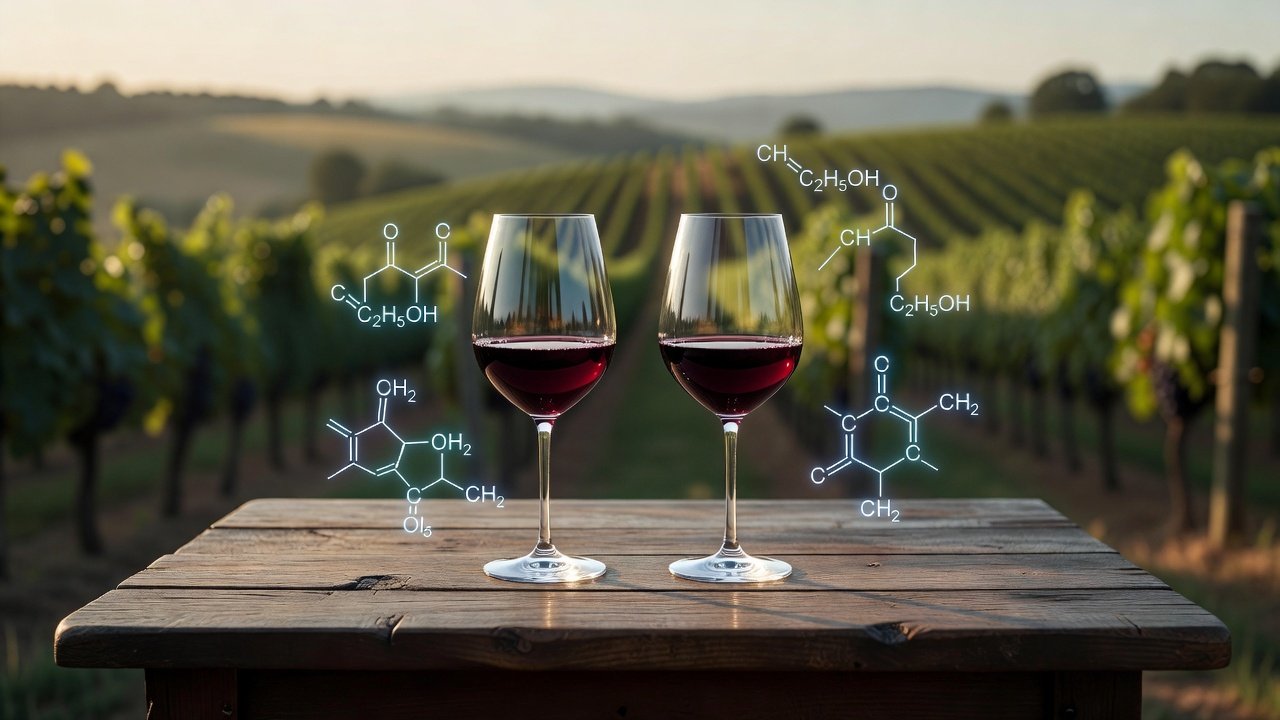
Understanding the science behind wine enhances every sip and transforms casual drinkers into informed enthusiasts. The Uncorked Conversations podcast breaks down complex topics like fermentation processes, tannin structures, and aroma compound interactions in accessible, interview-style episodes featuring winemakers, chemists, and sommeliers. Listeners gain technical knowledge without needing a chemistry degree, turning each tasting into an opportunity for deeper exploration of how molecular interactions shape flavor, color, and texture.
This comprehensive guide draws directly from multiple episode discussions to explain core concepts in detail. It includes real examples on pH levels and sulfite roles, side-by-side comparisons of chemical profiles across grape varieties, and actionable steps for applying podcast insights during personal tastings. Whether you are new to wine science or seeking to refine your palate, these insights make advanced topics approachable and practical.
Fermentation Processes Explained in Depth
Fermentation converts grape sugars into alcohol and carbon dioxide primarily through the action of yeast strains such as Saccharomyces cerevisiae. Episodes of Uncorked Conversations highlight distinctions between primary alcoholic fermentation, often conducted in temperature-controlled stainless steel tanks to preserve freshness, and secondary malolactic fermentation that occurs in oak barrels. During malolactic conversion, bacteria transform sharp malic acid into softer lactic acid, reducing perceived acidity and adding creamy textures to wines like Chardonnay.
Podcast guests frequently discuss how fermentation temperature influences outcomes. Cooler temperatures around 12-15 degrees Celsius favor the retention of volatile aroma compounds in white wines, while warmer conditions up to 28 degrees Celsius promote color and tannin extraction in reds. One notable episode breaks down sugar-to-alcohol conversion rates and the role of nutrients like nitrogen in preventing stuck fermentations. Listeners learn that incomplete fermentation can leave residual sugars, affecting both sweetness and stability. These details help explain why certain wines exhibit bright fruit notes while others develop earthy, complex profiles.
Tannin Structures and Their Sensory Impact
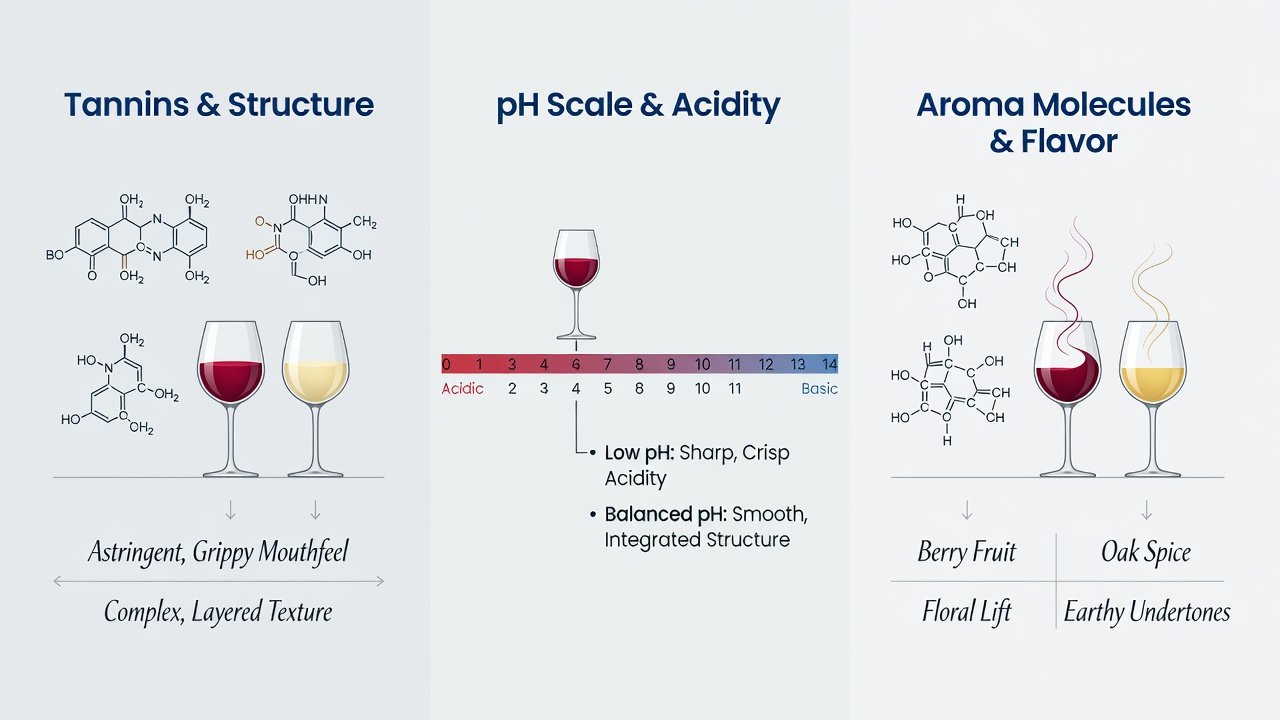
Tannins contribute to wine structure, bitterness, and long-term aging potential by interacting with salivary proteins to produce a drying sensation. Derived from grape skins, seeds, stems, and oak barrels, these polyphenols undergo polymerization over months or years, softening harsh edges in young wines. Episodes explore how seed tannins differ from skin tannins in their molecular weight and astringency levels, with higher polymerization leading to smoother mouthfeel in aged Bordeaux-style blends.
Guests share examples from specific vintages where tannin management during maceration determined the final wine's balance. For instance, extended skin contact in Cabernet Sauvignon increases tannin concentration, while gentle pressing in Pinot Noir preserves delicacy. Understanding these structures allows tasters to predict how a wine will evolve in the bottle and pair with food, as tannins bind with proteins in meat dishes to reduce astringency perception.
Aroma Compound Interactions and Bouquet Development
Volatile aroma compounds such as esters, terpenes, thiols, and pyrazines create the intricate bouquet that defines varietal character. Episodes detail how yeast metabolism during fermentation generates esters responsible for banana and pear notes in young whites, while terpenes in Riesling produce floral and citrus aromas. Thiols contribute tropical passionfruit scents in Sauvignon Blanc, but their interaction with sulfur compounds can sometimes create reductive off-notes if oxygen exposure is mismanaged.
One episode compares aroma evolution pre- and post-bottling, noting how bottle aging allows slow oxidation that develops secondary aromas like honey and nuts. Practical takeaways include using a standardized aroma wheel during tastings to categorize scents and track how temperature or decanting alters volatile release. These interactions underscore why the same grape can smell dramatically different based on winemaking choices.
pH Levels and Sulfite Roles Highlighted in Episodes
Real episodes dedicate segments to pH's influence on microbial stability, color retention, and acid balance. Wines with lower pH values around 3.0 to 3.4 resist bacterial spoilage more effectively and maintain vibrant red hues by stabilizing anthocyanins. Higher pH wines may require adjustments to prevent oxidation and color browning.
Sulfites serve dual roles as antioxidants and antimicrobials, with discussions clarifying natural production during fermentation versus deliberate additions for preservation. Episodes address sensitivity concerns by referencing regulatory limits and explaining that most people tolerate levels well below thresholds that trigger reactions. Listeners gain confidence in evaluating sulfite statements on labels and understanding their necessity in preventing faults like vinegar taint.
Chemical Profiles Across Grape Varieties
Side-by-side comparisons in episodes reveal unique chemical signatures. Cabernet Sauvignon typically exhibits elevated tannins and methoxypyrazines that impart green bell pepper and earthy notes, whereas Merlot offers softer tannins and higher sugar accumulation leading to riper fruit expression. Syrah stands out for its rotundone content, delivering peppery spice, while Chardonnay undergoes malolactic fermentation to develop diacetyl-driven buttery aromas absent in stainless steel versions of the same variety.
Further discussions contrast Riesling's high terpene levels for intense floral aromatics against the lower-acidity, higher-alcohol profiles common in warmer-climate Zinfandel. These profiles guide pairing decisions and aging predictions, as high-tannin varieties benefit from extended cellaring while aromatic whites shine when consumed young.
Practical Steps to Analyze Your Own Tastings
Applying podcast insights requires systematic observation. Begin by recording pH impressions through perceived acidity sharpness on a 1-10 scale immediately after the first sip and again after five minutes of air exposure. Next, isolate tannin sensations by focusing on mouth-drying effects along the gums and tongue, noting any evolution over 30 minutes as polymerization-like softening occurs in the glass.
Use an aroma wheel to categorize volatile families into fruity, floral, herbal, or earthy groups, repeating the exercise at different serving temperatures to observe volatility changes. Compare two wines side by side from the same episode discussion, logging differences in structure, finish length, and color intensity. Revisit targeted episodes before sessions involving specific varieties for contextual refreshers. Over time, maintain a tasting journal that correlates chemical concepts with sensory data to accelerate learning and improve accuracy in blind identifications.
Additional Considerations for Aging and Storage
Chemistry also dictates how wines develop after bottling. Oxygen ingress through corks or screw caps interacts with tannins and anthocyanins to polymerize color and soften astringency. Episodes emphasize ideal storage conditions that minimize temperature fluctuations, which accelerate unwanted chemical reactions. Listeners discover why consistent 12-14 degree Celsius environments preserve delicate aroma compounds far better than household cabinets.
FAQ on Common Misconceptions
Do all wines contain added sulfites?
No. While fermentation naturally produces small amounts, additions vary by producer and style. Episodes stress that organic wines may still contain sulfites at regulated levels.
Is lower pH always preferable in wine?
Lower pH enhances stability and color but increases tartness. Balance depends on grape variety, climate, and desired style as explained in multiple episodes.
Can beginners understand these chemical concepts without background knowledge?
Absolutely. The podcast employs relatable analogies from everyday cooking and gardening, making molecular interactions intuitive for newcomers.
How do tannins affect food pairings?
Tannins bind with proteins and fats, softening their perception when paired with rich meats or cheeses, a topic frequently illustrated through episode tasting examples.
Conclusion
Uncorked Conversations demystifies wine chemistry, empowering listeners to appreciate the molecular stories behind every bottle. By integrating these episode-derived insights into personal tastings, enthusiasts develop sharper palates and greater enjoyment. For further authoritative information on regulations and research, consult resources at TTB.gov, ARS.USDA.gov, and OIV.int.
No comments yet. Be the first!