 Uncorked Conversations
Introduction: Why Wine Dialogue Matters for Podcast Hosts
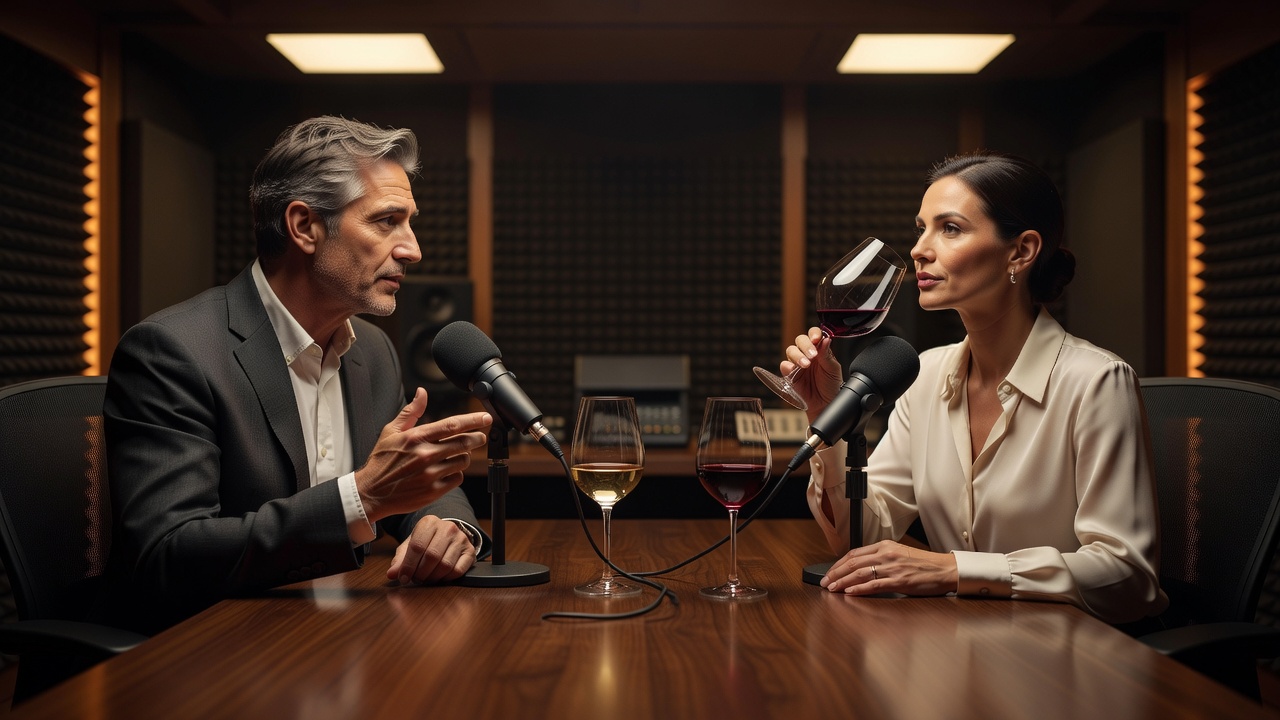
Podcast hosts in the wine space face unique challenges: translating sensory experiences, managing expert egos, and keeping listeners engaged without visual cues. Uncorked Conversations has refined a signature style that turns interviews into immersive conversations. This guide breaks down their methods so you can apply them to your own vino-focused show. Effective wine dialogue goes beyond asking questions about tasting notes; it involves creating a space where guests feel comfortable sharing personal stories, technical expertise, and even conflicting opinions. By mastering these skills, hosts can transform ordinary episodes into memorable experiences that encourage repeat listens and social sharing.
Active Listening Strategies That Elevate Every Episode
Active listening forms the backbone of memorable wine interviews. Hosts on Uncorked Conversations demonstrate this by paraphrasing guest comments and asking follow-up questions that reveal deeper insights rather than surface-level facts. For example, when a guest mentions terroir influences, the host might respond, “You described the limestone soil giving a mineral edge—how does that differ from the volcanic soils you tasted last week?” This technique validates the guest while guiding the narrative forward. To implement active listening effectively, hosts should practice vocal presence through subtle affirmations like “That’s interesting” without interrupting the flow. Avoiding interruptions allows guests to complete their thoughts, often leading to unexpected revelations about winemaking challenges or favorite vintages.
Another key element is using silence strategically. After a guest shares a detailed tasting note, pausing for three to five seconds can prompt them to elaborate on emotional connections to the wine. These approaches create trust and encourage spontaneous revelations that standard Q&A formats often miss. Hosts can also maintain engagement by mirroring the guest’s language, such as repeating sensory descriptors like “bright acidity” to show attentiveness. Over time, these habits help build episodes that feel conversational rather than scripted, leading to higher listener retention rates.
Navigating Wine Controversies with Grace
Wine discussions frequently touch on divisive topics such as natural wine authenticity, pricing ethics, or sustainability claims. Uncorked Conversations handles these by acknowledging multiple viewpoints before steering toward evidence-based discussion. Hosts prepare by reviewing recent industry reports and inviting guests with opposing perspectives to share the same episode. One effective tactic is the “bridge question”: after hearing a strong opinion, ask how that view aligns with broader consumer trends. This keeps dialogue constructive and positions your show as a balanced resource. For deeper context on industry standards, refer to resources from Wine Spectator which provide ongoing analysis of market dynamics and ethical debates.
Preparation also includes anticipating pushback on topics like biodynamic certification or oak usage. By framing controversies as opportunities for education, hosts can diffuse tension and deliver value to listeners who may be new to the subject. Always prioritize facts over opinions to maintain credibility.
Step-by-Step Guide to Building Rapport
- Pre-interview research: Study the guest’s recent tastings and published notes to reference specific details, such as a particular harvest year or vineyard challenge.
- Opening tone: Begin with a shared sensory memory, such as “That 2019 Burgundy you highlighted reminded me of…” to create immediate connection and ease nerves.
- Mid-episode pivots: Transition from technical talk to personal stories when energy dips, perhaps asking about the first wine that inspired their career.
- Closing reflection: Summarize one key takeaway and invite the guest to add anything left unsaid, ensuring a polished ending.
- Follow-up engagement: After recording, send a thank-you note referencing a standout moment to foster future collaborations.
- Listener integration: Occasionally reference audience questions submitted in advance to make guests feel part of a larger community.
Following these steps consistently helps guests relax and deliver richer content that resonates with listeners.
Real Guest Interaction Examples from Uncorked Conversations
In one episode featuring a biodynamic producer, the host used layered questions to explore both vineyard practices and the emotional philosophy behind them. The guest revealed personal struggles with certification costs, adding human depth rarely heard in standard wine podcasts. Another interview with a critic demonstrated how to challenge tasting scores respectfully, resulting in an honest exchange about subjectivity in wine evaluation. A third example involved a sommelier discussing pairing controversies, where the host guided the conversation toward practical advice for home enthusiasts, complete with specific bottle recommendations that listeners could try immediately.
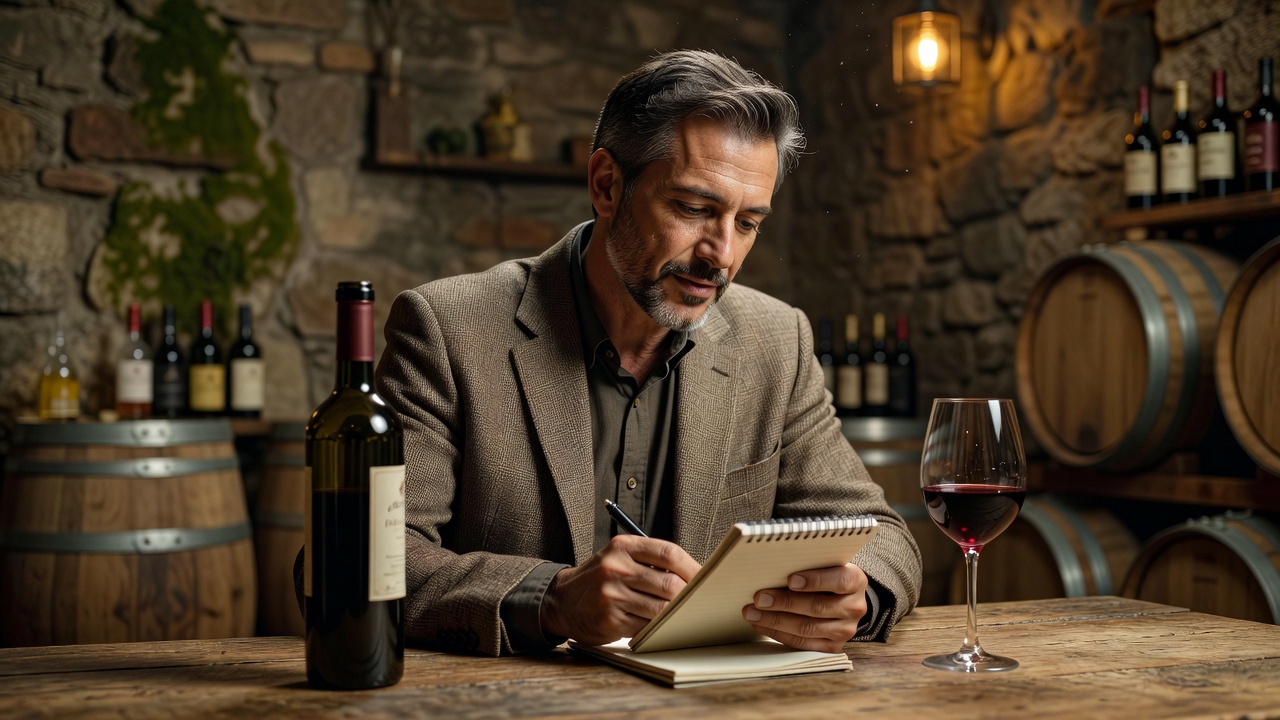
These interactions highlight the value of preparation combined with flexibility. For additional insights into wine communication, explore Jancis Robinson which offers extensive archives on tasting language and interview techniques used by professionals.
Comparisons to Standard Wine Podcast Formats
Many wine shows follow a rigid tasting-note-then-rating structure that can feel transactional. Uncorked Conversations prioritizes narrative flow and emotional resonance, often extending episodes when conversations turn insightful. Listeners report higher retention because the format mirrors natural dinner-table discussions rather than classroom lectures. Hosts who adopt this style notice increased guest referrals and listener loyalty. In contrast, traditional formats may cover more wines per episode but sacrifice depth, leaving audiences with lists rather than stories they remember and share.
Listener FAQs: Overcoming Common Dialogue Pitfalls
How do I keep technical jargon from alienating beginners?
Define terms immediately and follow with relatable analogies, such as comparing acidity to the zing of fresh lemon in lemonade. This approach ensures accessibility while maintaining educational value for more experienced listeners.
What if a guest dominates the conversation?
Use gentle redirects like “That’s fascinating—how would you explain that to someone new to the region?” to rebalance speaking time and keep the episode dynamic for the audience.
How should I handle disagreements on air?
Frame differences as opportunities for learning: “It’s interesting how two experts can interpret the same vintage so differently.” This maintains professionalism and models respectful discourse.
What preparation helps when guests seem nervous?
Start with light, non-wine questions about their journey into the industry to build comfort before diving into complex topics like fermentation techniques or market shifts.
Conclusion: Elevate Your Wine Podcast Today
Mastering wine dialogue requires deliberate practice in listening, preparation, and adaptability. By studying techniques from Uncorked Conversations and adapting them to your format, you can create episodes that resonate deeply with both novices and connoisseurs. Start by implementing one active listening strategy in your next recording and build from there. Your audience—and your guests—will notice the difference, leading to stronger community connections and more compelling content over time.

No comments yet. Be the first!