 Uncorked Conversations
Introduction: Why Podcast Insights Matter in a Shifting Market
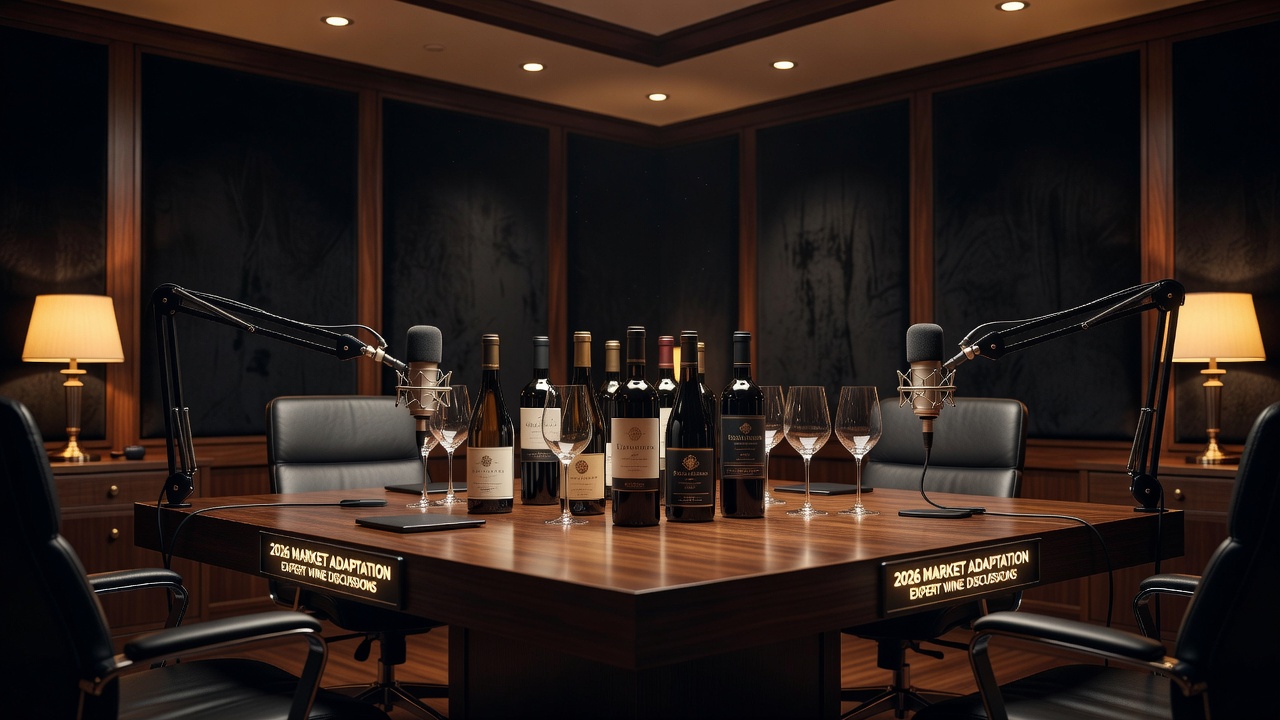
The wine industry faces unprecedented changes heading into 2026, from climate-driven harvest variations to rapidly evolving buyer tastes. Uncorked Conversations, the go-to podcast for in-depth vino talks, offers listeners direct access to winemakers, sommeliers, and market analysts who share real-world adaptation tactics. Rather than broad trend reports, this article focuses on actionable lessons pulled from recent episodes, helping both collectors and business owners adjust their approaches effectively. By distilling expert conversations into step-by-step guidance, the show empowers enthusiasts to make informed decisions about sourcing, storage, and sales amid uncertainty.
Listeners tuning into episodes from late 2025 and early 2026 gain an edge by hearing firsthand how experts respond to challenges like altered growing seasons and demand for sustainable options. These conversations emphasize tested strategies over speculation, making them ideal for anyone serious about staying ahead. The podcast format allows for nuanced discussions that general articles often miss, such as specific rootstock choices or inventory rotation timelines that have proven successful in real vineyards.
Expert Predictions from Recent Episodes
In episode 47, titled “Harvest Realities in a Warming World,” viticulturist Dr. Elena Vargas predicted that regions like Bordeaux and Tuscany would see a 15-20% increase in extreme weather events by 2027. She stressed proactive canopy management and drought-resistant rootstocks as immediate steps. Listeners learned to monitor soil moisture data weekly rather than relying on seasonal averages. Another standout was episode 52 featuring consumer behavior analyst Marcus Hale, who highlighted a surge in demand for low-alcohol and no-sulfite wines among millennials and Gen Z. Hale recommended that retailers rotate at least 30% of their inventory toward these styles by mid-2026 to capture this demographic. His advice included tracking social media sentiment monthly using free tools like Google Trends.
Episode 55 delved into supply chain disruptions with importer Lena Torres, who advised building relationships with at least two backup suppliers in emerging regions like British Columbia. She shared how one California distributor avoided shortages by securing contracts early in 2025. Episode 61 explored packaging innovations, noting that lightweight bottles reduce shipping emissions and appeal to eco-conscious buyers. These predictions are grounded in data shared during the interviews, giving listeners concrete benchmarks to measure their own operations against.
Climate Impacts and Adaptation Tactics
Climate change continues reshaping vineyard yields and flavor profiles. Traditional producers in established regions now compete with emerging areas in Canada and the UK that benefit from longer growing seasons. Uncorked Conversations guests repeatedly advise diversifying sourcing rather than betting on single appellations. For instance, rising temperatures have accelerated ripening in many areas, leading to higher alcohol levels that some consumers now reject. Adaptation includes shifting harvest dates earlier and experimenting with shade cloth systems to protect grapes from heat spikes.
Practical steps include auditing your current collection for heat-sensitive varietals and replacing 10-15% annually with heat-tolerant alternatives such as Grenache or Vermentino. Business owners are encouraged to partner with growers experimenting with regenerative agriculture to build long-term resilience. One guest detailed how cover cropping improved water retention by 25% in drought-prone zones, offering a replicable model for listeners. Monitoring resources from the International Organisation of Vine and Wine provides additional global context that complements podcast discussions.
Traditional vs Emerging Winemaking Approaches
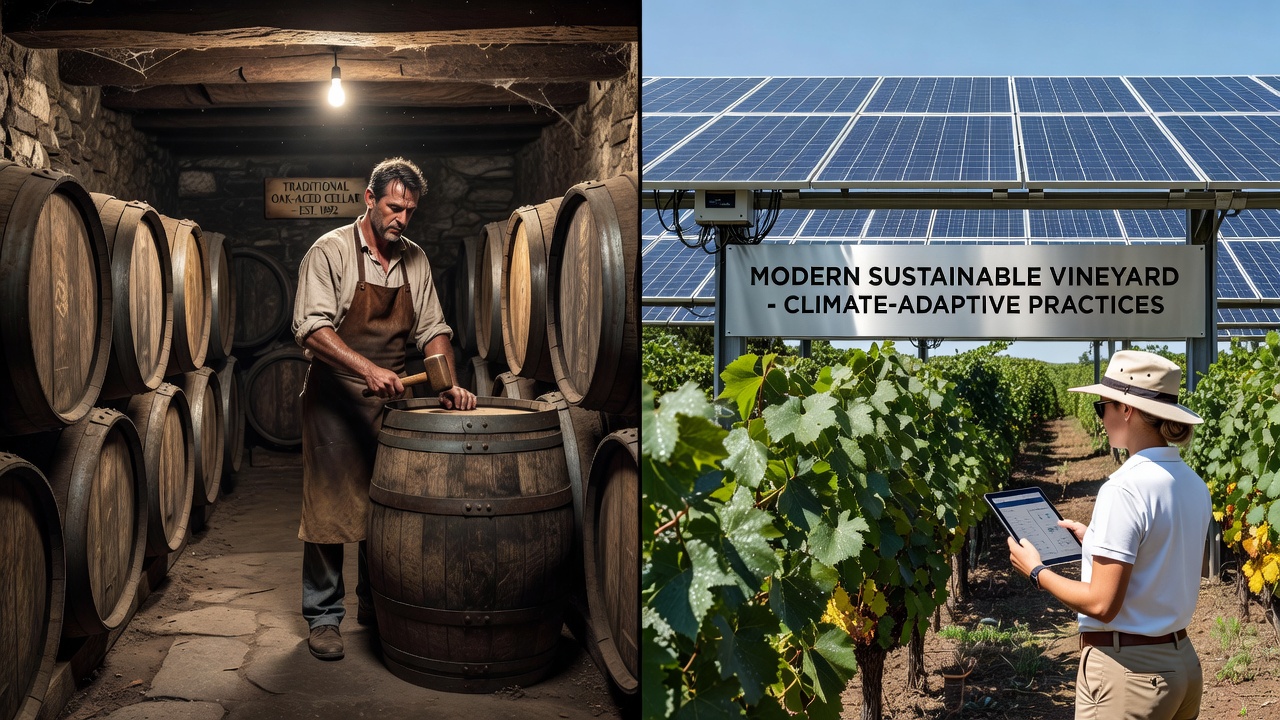
Traditional methods emphasize terroir expression through minimal intervention, while emerging techniques incorporate precision agriculture and alternative fermentation vessels. Episode 39 compared these philosophies directly, noting that hybrid approaches often yield the best results in volatile climates. Traditionalists maintain that native yeasts and oak aging preserve authenticity, yet several guests reported success blending these with stainless-steel aging for fresher profiles that appeal to younger palates. The consensus: test small batches before committing to large-scale changes.
Pros of traditional methods include deeper flavor complexity and heritage appeal, while emerging methods offer consistency and lower environmental footprints. A useful comparison list includes: traditional oak barrels versus concrete eggs or amphorae for fermentation; hand-harvesting versus mechanical options for selective picking; and sulfur additions versus natural preservation techniques. Listeners are encouraged to visit both legacy estates and experimental wineries to taste the differences firsthand.
Quick-Start Checklist for Market Monitoring
- Subscribe to at least three industry newsletters and review them every Sunday, noting any mentions of weather anomalies or new regulations that could affect availability.
- Set calendar reminders to listen to new Uncorked Conversations episodes within 48 hours of release so insights remain fresh and actionable.
- Track three key metrics: average bottle price by region, search volume for “sustainable wine,” and harvest reports from major appellations, using free public data sources where possible.
- Join one online community such as a dedicated wine forum to discuss real-time shifts with peers and gather anecdotal evidence that supports or challenges podcast predictions.
- Schedule quarterly reviews of your personal or business inventory against current predictions, adjusting purchases or storage conditions accordingly.
Applying Lessons to Personal Collections and Businesses
For collectors, start by rebalancing cellars toward versatile styles that age well under variable conditions. One listener shared how implementing advice from episode 44 helped them rotate out underperforming vintages and increase overall portfolio value within six months through targeted trades. Another collector began cross-referencing episode notes with tasting records to identify which bottles might suffer from accelerated aging due to heat exposure.
Businesses should integrate podcast takeaways into procurement cycles. For example, sourcing from both legacy estates and innovative newcomers spreads risk. Regular staff training sessions based on episode summaries ensure teams stay informed without requiring extensive external research. A retail owner in episode 58 described implementing a “podcast-inspired tasting series” that boosted foot traffic by highlighting sustainable producers discussed on the show. These applications demonstrate how the conversations translate directly into measurable outcomes when followed systematically.
Common Pitfalls to Avoid
Many listeners rush into wholesale changes without testing, leading to mismatched inventory. Others ignore regional differences, applying advice from one climate zone to another where it fails. The podcast experts consistently warn against overlooking storage conditions, as even well-chosen wines can degrade in unstable environments. Reviewing full episodes rather than summaries helps avoid these oversights.
FAQ: Common Listener Questions on Implementation
How soon should I adjust my buying habits after hearing an episode?
Most guests recommend acting on predictions within 30-60 days to stay ahead of broader market reactions, allowing time for verification against your local conditions.
Are these strategies suitable for beginners?
Yes. Start with the checklist and focus on one change per quarter to avoid overwhelm while building confidence through small wins.
What if I manage a small retail operation?
Prioritize inventory rotation and staff education first; larger infrastructure investments can follow as data confirms trends and cash flow improves.
Can I apply these insights if I only buy for personal enjoyment?
Absolutely. Focus on the collector sections and use the monitoring checklist to refine your tasting notes and future purchases.
Conclusion
Uncorked Conversations transforms complex market dynamics into practical, episode-specific guidance. By systematically applying insights on climate adaptation, consumer shifts, and winemaking innovation, listeners position themselves for success in 2026 and beyond. Begin with the checklist today and revisit key episodes as new data emerges to maintain a competitive edge in your wine journey.
No comments yet. Be the first!