 Uncorked Conversations
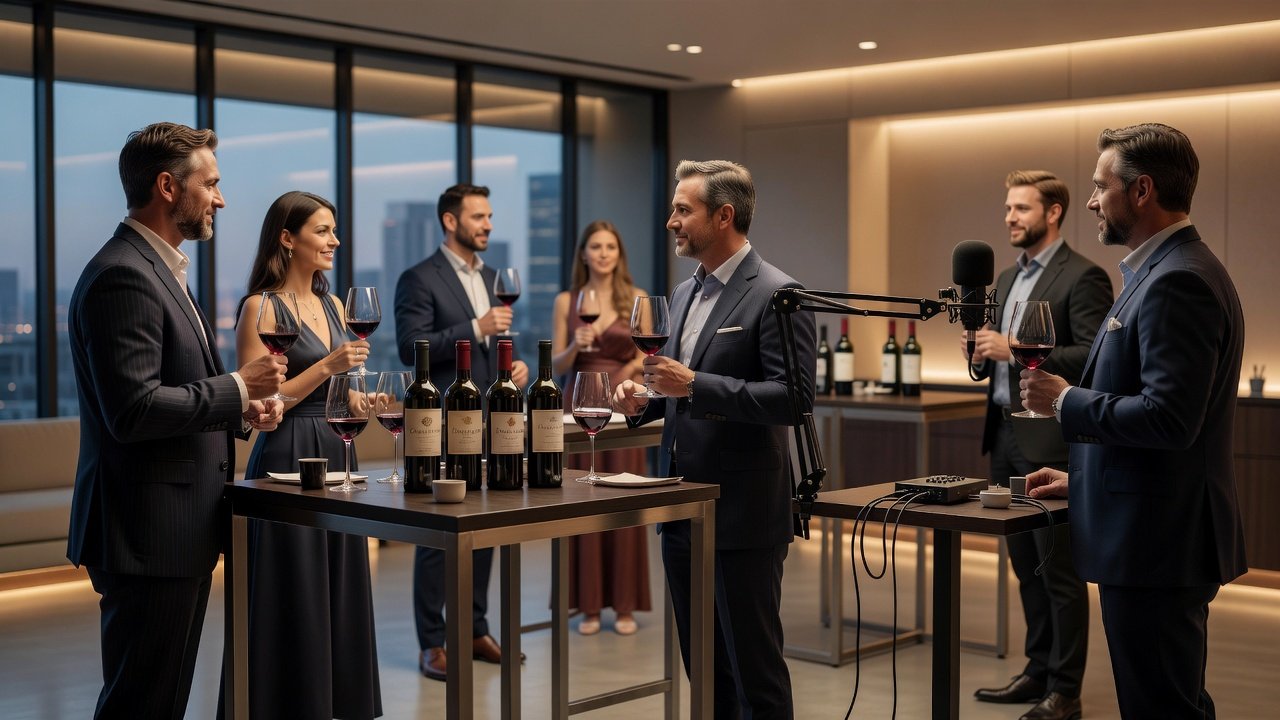
Introduction: From Podcast to Packed Room
Uncorked Conversations has built a loyal following through thoughtful wine discussions. In 2026, event planners and podcasters can leverage this momentum by creating live experiences that deepen community connections and drive listener growth. This comprehensive guide covers every stage of planning, from selecting venues to measuring success, helping you turn episodes into memorable gatherings that blend education, tasting, and networking.
Live events allow podcasters to move beyond audio into immersive experiences where fans meet hosts, winemakers, and fellow enthusiasts. Whether you are an event planner looking to expand your portfolio or a content creator seeking new revenue streams, the strategies outlined here provide actionable steps tailored to current trends in experiential marketing and community building.
Choosing the Right Venue for Your Live Event
Venue selection sets the tone for the entire experience. Look for spaces that accommodate 50 to 150 guests comfortably while allowing for tasting stations, discussion areas, and natural flow between activities. Ideal locations include wine bars with private rooms, private dining areas at upscale restaurants, boutique hotels, or even converted warehouses in urban districts known for their creative atmospheres. Evaluate factors such as acoustics for clear podcast-style discussions, flexible lighting that can shift from intimate to bright for tastings, and accessibility via public transit or ample parking.
Always verify local alcohol service regulations and insurance requirements early. Resources from the Alcohol and Tobacco Tax and Trade Bureau offer guidance on compliance. Consider sustainability features like on-site recycling or partnerships with local farms for charcuterie pairings to align with 2026 eco-conscious attendee expectations.
Coordinating with Guest Winemakers
Partnering with winemakers featured in Uncorked Conversations episodes adds authenticity and excitement. Reach out at least three months in advance to allow for scheduling around harvest or travel commitments. Provide them with episode highlights, proposed tasting themes, and clear expectations about participation in Q&A sessions or live storytelling segments. Offer travel support, accommodation assistance, and a professional honorarium to secure top talent.
Prepare detailed contracts covering arrival times, sample quantities, and promotional obligations. Many winemakers appreciate advance discussion of logistics such as shipping bottles or coordinating with importers. This preparation ensures smooth execution and builds long-term relationships that can lead to repeat collaborations.
Designing Interactive Tasting Formats
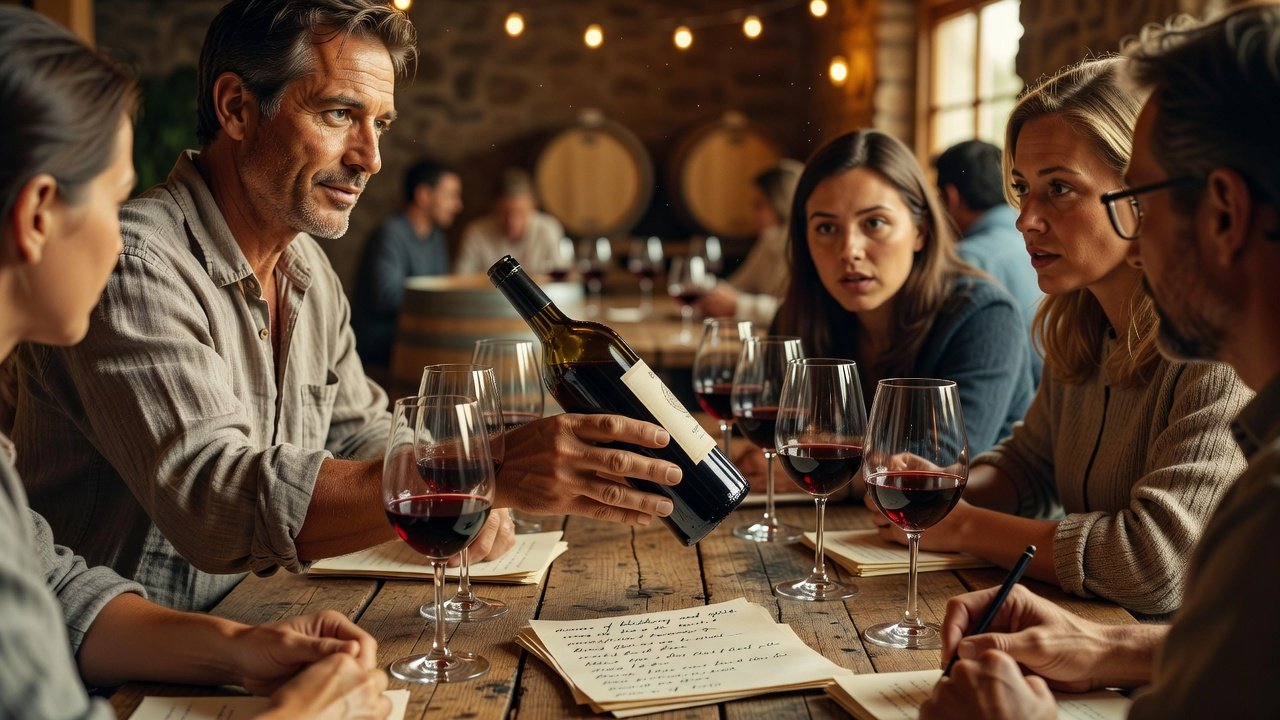
Move beyond standard flights with formats that mirror the storytelling style of the podcast. Try blind tastings tied directly to episode themes, guided pairing exercises with local cheeses, or small-group breakout discussions where attendees debate tasting notes. Rotate stations every 20 minutes to maintain energy and encourage mingling. Incorporate non-alcoholic options and low-alcohol alternatives to broaden appeal for diverse audiences including designated drivers and health-conscious participants.
Examples include a "vintage mystery" station where guests guess regions based on clues from past episodes, or a storytelling circle where attendees share their own wine memories. These interactive elements increase dwell time and social sharing, boosting organic promotion.
Digital Promotion Tactics for 2026
Promote across podcast platforms, email lists, and social channels using short video clips from episodes as teasers. Collaborate with micro-influencers in the wine space and run targeted ads on Instagram, TikTok, and LinkedIn. Create a dedicated event page with easy ticket purchasing and integrated calendar reminders. Leverage emerging 2026 trends such as AI-generated personalized invitations and augmented reality filters that let users preview the venue.
Cross-promote with other wine podcasts and regional tourism boards to expand reach. Track engagement metrics like email open rates and social shares to refine future campaigns.
Budgeting Examples and Cost Considerations
Successful events balance revenue and expenses through careful planning. Typical costs include venue rental, winemaker fees, wine procurement, marketing, staffing, and insurance. Focus on scalable models where ticket sales cover core expenses while sponsorships from wine importers or local businesses boost margins. Review recent industry benchmarks from Wine Magazine for planning context and adjust based on your market size and guest capacity.
Comparing Virtual and In-Person Formats
Virtual events offer lower overhead and wider geographic reach, allowing listeners from multiple time zones to participate via live streams. In-person gatherings, however, foster deeper emotional connections through shared sensory experiences and face-to-face networking. Hybrid models combine both by streaming live tastings with mailed sample kits for remote attendees. Choose based on your audience demographics and goals—many podcasters report stronger community loyalty and higher repeat engagement from in-person experiences.
Step-by-Step Planning Checklist
- Finalize episode selection and theme three months ahead
- Secure venue and confirm winemaker availability
- Design tasting menu and interactive elements with dietary options
- Build promotional assets including teaser videos and email sequences
- Arrange logistics for wine shipping and on-site storage
- Prepare feedback tools, name badges, and post-event follow-up sequences
- Conduct a full rehearsal one week prior
- Confirm insurance, permits, and responsible service protocols
Real-World Case Studies
Similar wine podcasts have hosted successful pop-up events in cities like Portland and Chicago, often selling out within weeks of announcement. One series reported a 40 percent increase in listener sign-ups after pairing episodes with regional tastings that featured the same winemakers discussed on air. These case studies demonstrate how live events convert passive listeners into active community members who return for future episodes and gatherings.
Measuring ROI Through Ticket Sales and Feedback
Track ticket revenue, repeat attendance rates, and new listener sign-ups as primary indicators. Use post-event surveys to gauge satisfaction, preferred topics, and likelihood of recommending the event. Tools like simple Google Forms or dedicated platforms such as Eventbrite help quantify impact. Additional metrics include social media mentions, email list growth, and long-term podcast download spikes following the event.
FAQs: Addressing Common Logistics Challenges
How do I handle last-minute cancellations?
Maintain a waitlist and flexible vendor agreements. Communicate refund policies clearly in all promotional materials.
What if shipping wines across states creates issues?
Partner with licensed shippers and verify compliance with destination laws well in advance through official channels.
How can I engage remote listeners?
Offer a virtual ticket option with mailed tasting kits for those unable to attend in person.
What safety measures should be in place?
Follow responsible service guidelines and provide transportation resources; consult resources from the National Institute on Alcohol Abuse and Alcoholism for best practices.
Conclusion
Transforming Uncorked Conversations into live events builds lasting community while expanding your reach and creating new revenue opportunities. With careful planning around venues, formats, promotion, and measurement, these gatherings can become highlights of your 2026 calendar. Start with a pilot event, gather detailed feedback, and scale what resonates most with your audience.
No comments yet. Be the first!