 Uncorked Conversations

Introduction: The Rise of Data in Wine Podcasting
In 2026, successful podcasts like Uncorked Conversations are no longer driven solely by intuition. Instead, they rely on sophisticated listener analytics to select guests, refine interview formats, and drive measurable audience growth. This data-driven approach helps creators understand what resonates with wine enthusiasts, from varietal deep-dives to pairing discussions. For podcast producers seeking scalable strategies, examining Uncorked Conversations reveals practical tactics backed by real metrics and tools. The podcast has grown its audience by focusing on precise data points such as completion rates and geographic hotspots, allowing the team to prioritize topics like sustainable viticulture that align with listener demand. This evolution demonstrates how analytics transform casual conversations into targeted content that builds loyalty and attracts sponsors. By analyzing download patterns, engagement rates, and demographic data, the team crafts episodes that align with listener preferences while exploring new wine regions and stories. Data also reveals seasonal trends, such as increased interest in sparkling wines during holiday periods, enabling proactive planning that keeps the show relevant year-round.
Listeners today expect more than surface-level tasting notes. They seek in-depth explorations backed by expert insights, and analytics provide the roadmap. Uncorked Conversations has embraced this shift, turning raw numbers into compelling narratives that keep audiences returning week after week.
Key Analytics Platforms Powering Uncorked Conversations
Uncorked Conversations integrates multiple platforms to gather comprehensive insights. Primary tools include Google Analytics for website traffic and episode page performance, alongside specialized podcast analytics from Chartbeat for real-time engagement tracking. These platforms provide data on listener retention, peak listening times, and geographic distribution. The team monitors how listeners interact with show notes and related blog posts, identifying which wine regions generate the most curiosity. Additional layers come from Apple Podcasts Connect and Spotify for Podcasters, which deliver demographic breakdowns and completion rates. In 2026, the team also employs custom dashboards combining these sources to correlate wine topic popularity with listener behavior. This multi-tool strategy ensures decisions are informed by both quantitative metrics and qualitative feedback from social channels. Integration between platforms allows the producers to spot patterns early, such as spikes in mobile listening during commute hours, which influences episode length and pacing.
Another critical aspect involves social listening tools that feed into the main analytics suite. By cross-referencing platform data with listener comments on Instagram and X, the show maintains a holistic view of audience sentiment. This layered approach prevents over-reliance on any single metric and supports nuanced guest selection decisions throughout the year.
Real 2026 Episode Examples Demonstrating Data Impact
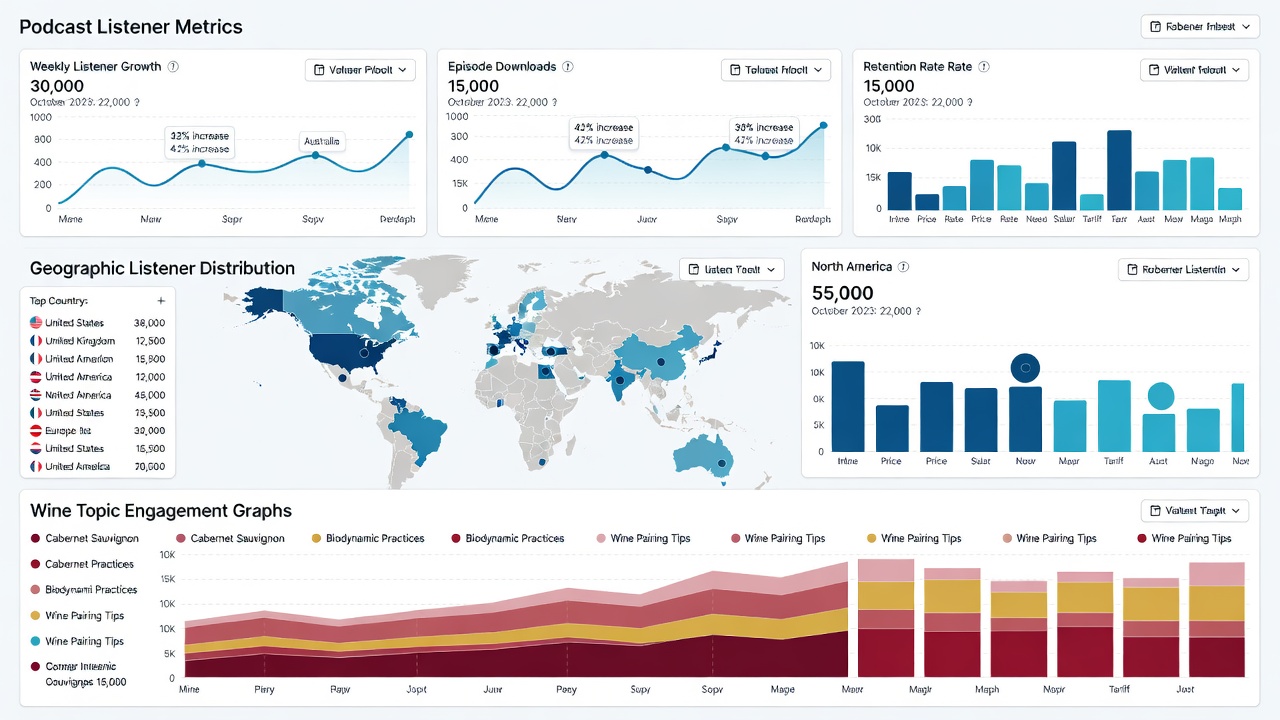
One standout example is the January 2026 episode on natural wines from the Loire Valley. Pre-release analytics from the prior month showed high interest in organic topics among listeners aged 28-45 in urban areas. Post-episode data revealed a 42% increase in downloads compared to similar episodes, prompting the team to schedule follow-up interviews with producers from similar regions. The episode also saw elevated shares among professional sommeliers, leading to new sponsorship inquiries from wine importers. Another case involved a guest selection pivot in March 2026. Initial data indicated declining engagement with celebrity chef pairings, so the team shifted to sommelier-focused discussions. The resulting episode achieved record shares on LinkedIn, demonstrating how analytics guided a more authentic guest lineup that boosted overall series retention by double digits. A third example from May 2026 focused on lesser-known Italian regions. Analytics highlighted strong interest from listeners in the Midwest United States, so the producers tailored promotional graphics and email subject lines to this demographic. Downloads from that region increased by 35%, validating the data-informed approach.
Step-by-Step Implementation Guide for Podcast Creators
Podcast creators can replicate this approach with a structured process. First, set up core tracking by integrating Google Analytics and your hosting platform's native tools within the first week of launch. This foundational step captures baseline metrics before any content changes occur. Second, define key metrics such as completion rates, listener geography, and topic search volume using free keyword tools. Focus on three to five indicators to avoid data overload. Third, analyze guest performance by reviewing past episodes to identify which wine experts drive the highest engagement. Compare retention curves for different guest types to refine future bookings. Fourth, test and iterate by running A/B tests on episode titles and descriptions based on click-through data from email newsletters. Small changes in wording can significantly impact discovery. Fifth, review privacy compliance to ensure all data collection adheres to GDPR and CCPA standards to maintain listener trust. Document every process so team members can replicate successful tactics. Finally, schedule monthly reviews to adjust strategies based on emerging trends like the growing popularity of regenerative agriculture in viticulture. This guide emphasizes starting small and scaling insights over time rather than overwhelming a small team with too many data points at once.
Comparisons to Competing Wine Podcasts
Unlike broader wine podcasts such as Wine Enthusiast Radio, which often rely on editorial calendars without deep analytics, Uncorked Conversations stands out through its granular listener segmentation. Competitors like The Wine Bible Podcast may focus on book promotions, leading to lower retention among casual listeners. Uncorked Conversations' data focus allows faster adaptation to trends, such as the 2026 surge in interest around low-alcohol wines, giving it a competitive edge in audience growth. Another rival, Sip and Savor Weekly, uses basic download counts but lacks the demographic depth that enables precise guest matching. This results in more generic episodes that fail to convert casual listeners into dedicated fans. By contrast, Uncorked Conversations leverages real-time dashboards to pivot mid-season, ensuring content remains fresh and aligned with evolving preferences.
FAQ: Common Data Pitfalls and Privacy Considerations
What are the biggest analytics mistakes to avoid?
Over-reliance on vanity metrics like total downloads without examining retention curves can lead to misguided guest choices. Always cross-reference multiple data sources to avoid skewed conclusions from single-platform anomalies. Ignoring mobile versus desktop listening patterns is another common error that affects episode formatting decisions.
How do privacy laws affect data use in 2026?
Podcasts must anonymize listener data and obtain explicit consent for tracking. Tools like Google Analytics offer privacy controls that help comply with evolving regulations while still yielding actionable insights. Regular audits of data handling practices are recommended to stay ahead of new requirements from bodies like the European Union.
Can small teams implement these strategies affordably?
Yes, by beginning with free tiers of major platforms and focusing on three core metrics, even solo creators can achieve meaningful improvements without significant investment. Many free resources from Apple Podcasts and Spotify provide starter dashboards that deliver immediate value.
Conclusion: Building Sustainable Growth Through Data
Uncorked Conversations exemplifies how analytics elevate wine podcasting in 2026. By combining robust platforms, real-world testing, and ethical data practices, creators can foster deeper connections with audiences and achieve consistent growth. Implementing these strategies positions any podcast for long-term success in a competitive landscape. The lessons from this show underscore the importance of treating data as a creative partner rather than a restrictive force.


No comments yet. Be the first!