 Uncorked Conversations
Introduction to Standout Wine Podcast Interviews
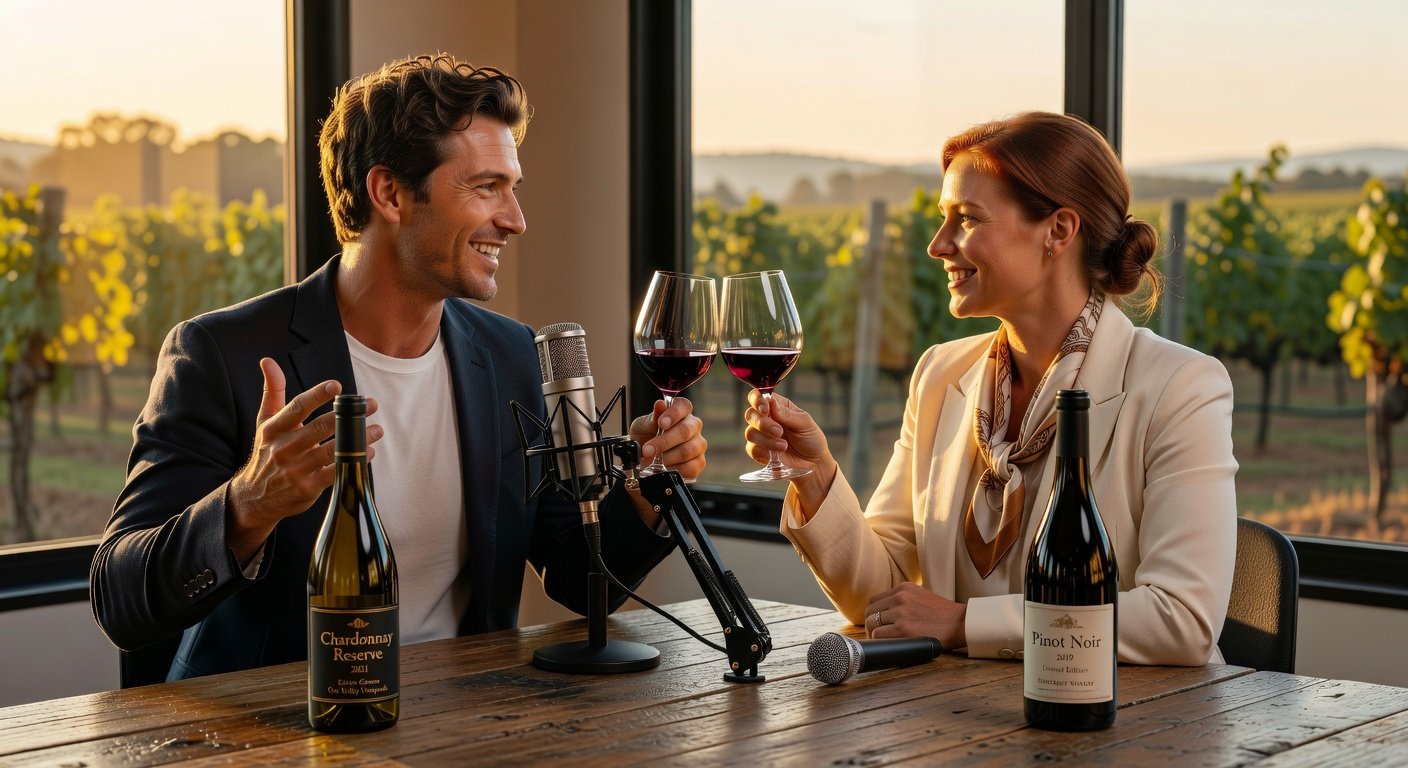
Podcasting has exploded in popularity, especially in niche areas like wine where passion meets expertise. The Uncorked Conversations podcast stands out by delivering interviews that feel like intimate tastings with industry legends. What makes their episodes so engaging? It's a meticulous process blending careful planning, dynamic formats, and sensory elements like wine pairings. In this guide, we'll break down the step-by-step production behind their standout interviews, drawing from techniques showcased in 2026 episodes. Whether you're an aspiring host or seasoned producer, these actionable tips will help you replicate their success.
From selecting the right guests to weaving storytelling arcs and syncing discussions with live tastings, you'll learn how to captivate listeners and build a loyal audience. Let's uncork the process.
Step 1: Mastering Guest Selection
The foundation of any great interview is the guest. For Uncorked Conversations, hosts prioritize winemakers, sommeliers, and influencers who bring unique stories. In 2026, episodes featured rising stars from emerging regions like South Africa's Swartland and innovative natural wine producers.
- Research deeply: Use platforms like LinkedIn and wine industry directories to identify guests with fresh perspectives. Avoid overexposed names; seek those with untold stories.
- Diversity matters: Balance genders, regions, and expertise levels to appeal to broad audiences.
- Pre-interview vetting: Send a questionnaire to gauge their communication style and availability for tastings.
Tip: Aim for guests who embody the 'wine storyteller' archetype. This ensures natural flow and authenticity.
Step 2: Pre-Production Preparation
Preparation turns good interviews into unforgettable ones. Hosts spend weeks curating questions and themes. For 2026 episodes, themes like 'Climate-Resilient Vines' paired specific wines for synchronized tastings.
- Theme alignment: Tie the guest's expertise to current trends, such as sustainable viticulture.
- Question crafting: Develop 20-30 questions in tiers: icebreakers, deep dives, and provocative closers.
- Logistics setup: Remote via Riverside.fm or in-studio with high-quality mics. Ship wines in advance for virtual tastings.
Pro tip: Create a shared Google Doc for collaborative prep, fostering guest buy-in.
Step 3: Engaging Q&A Formats
Beyond standard Q&A, Uncorked Conversations employs formats that keep energy high. Think rapid-fire tastings or 'blind pour' challenges where guests describe wines without labels.
- Segmented structure: Intro (5 mins), origin story (15 mins), technical deep dive (20 mins), tasting interlude (10 mins), future outlook (10 mins).
- Interactive twists: Audience-submitted questions via social media add freshness.
- Pacing techniques: Use silence strategically after big reveals to let stories breathe.
For more on dynamic podcast formats, check out resources from NPR, pioneers in conversational audio.
Step 4: Incorporating Storytelling Arcs
Advanced episodes in 2026 master the three-act structure: setup (guest's journey), confrontation (challenges faced), resolution (lessons learned). This cinematic approach turns interviews into narratives listeners crave.
Key techniques:
- Emotional hooks: Start with a pivotal moment, like a winemaker's first harvest failure.
- Cliffhangers: Tease deeper insights mid-episode to maintain tension.
- Callback elements: Reference early stories in the tasting segment for cohesion.
Storytelling elevates wine talk from facts to feels, boosting shares and subscriptions.
Step 5: Pairing Wine Tastings with Discussions
The signature of Uncorked Conversations is multisensory integration. Listeners sip along as guests unpack flavors, creating virtual tastings. 2026 highlights included pairing Bordeaux blends with tales of Left Bank innovation.
- Select accessible wines: Choose bottles under $30 available widely.
- Timing sync: Pause at 20-30 min marks for guided tasting notes: aroma, palate, finish.
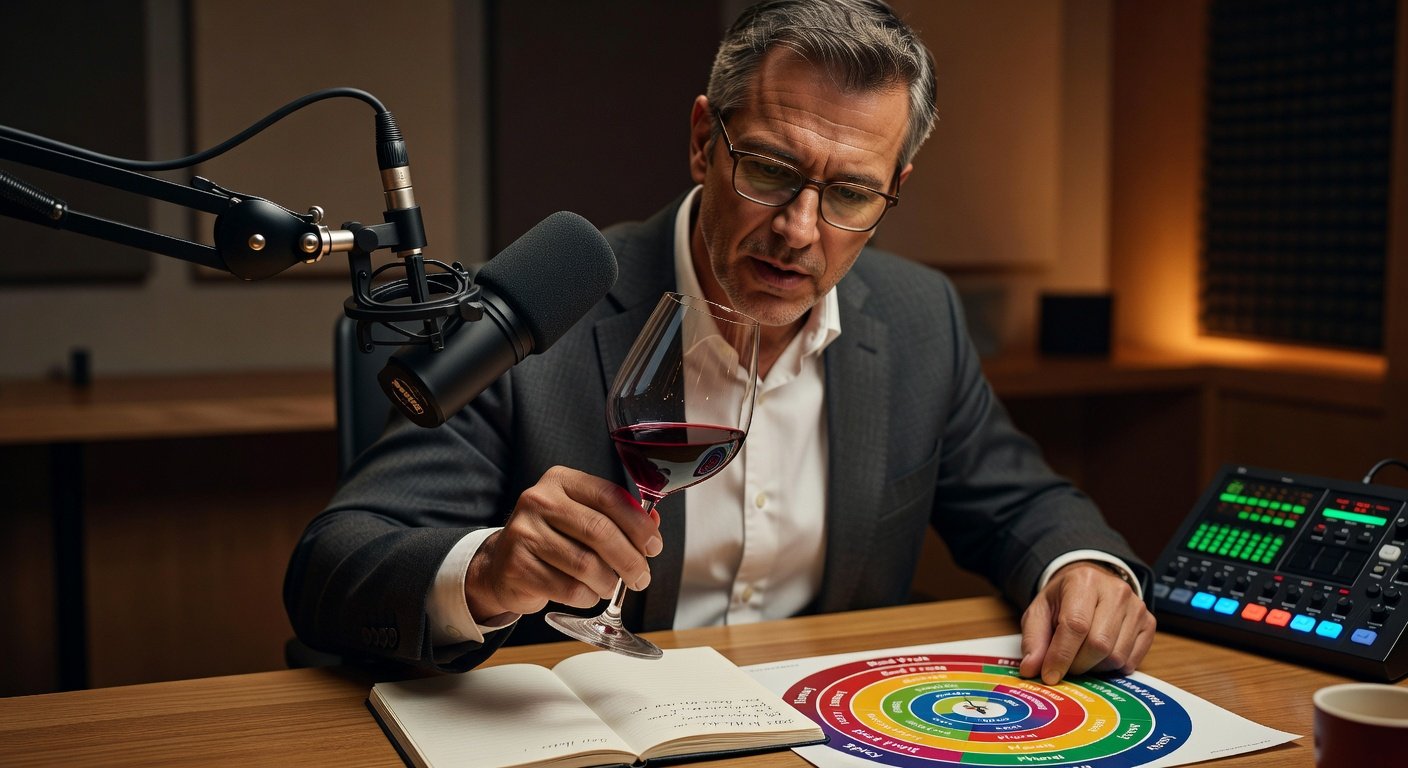
- Enhance with props: Guests use aroma wheels; hosts describe for non-tasters.
Explore wine tasting best practices at Wine Spectator. This format not only engages but drives affiliate sales through episode show notes.
Step 6: Post-Production Polish
Editing is where magic happens. Trim ums, layer ambient vineyard sounds, and add subtle music swells during arcs. 2026 episodes feature crisp audio with timestamped tasting cues.
- Tools: Descript for AI edits, Audacity for free tweaks.
- SEO optimization: Transcribe fully for searchability; embed keywords like 'wine podcast interview tips'.
- Promotion: Tease clips on Instagram Reels, targeting #WinePodcast communities.
Listen to top episodes on Apple Podcasts for inspiration.
Actionable Tips for Aspiring Hosts
Ready to launch your wine interview series? Here's a checklist:
- Start small: Interview local sommeliers before scaling.
- Invest in gear: Shure SM7B mic, Focusrite interface.
- Build community: Join Uncorked Conversations Discord for feedback.
- Monetize smart: Sponsor spots from wine clubs, Patreon tastings.
- Iterate: Analyze downloads via Chartable; refine based on listener polls.
By following these steps, you'll craft episodes that pour success. The wine world is vast—your voice can uncork it one conversation at a time.
No comments yet. Be the first!