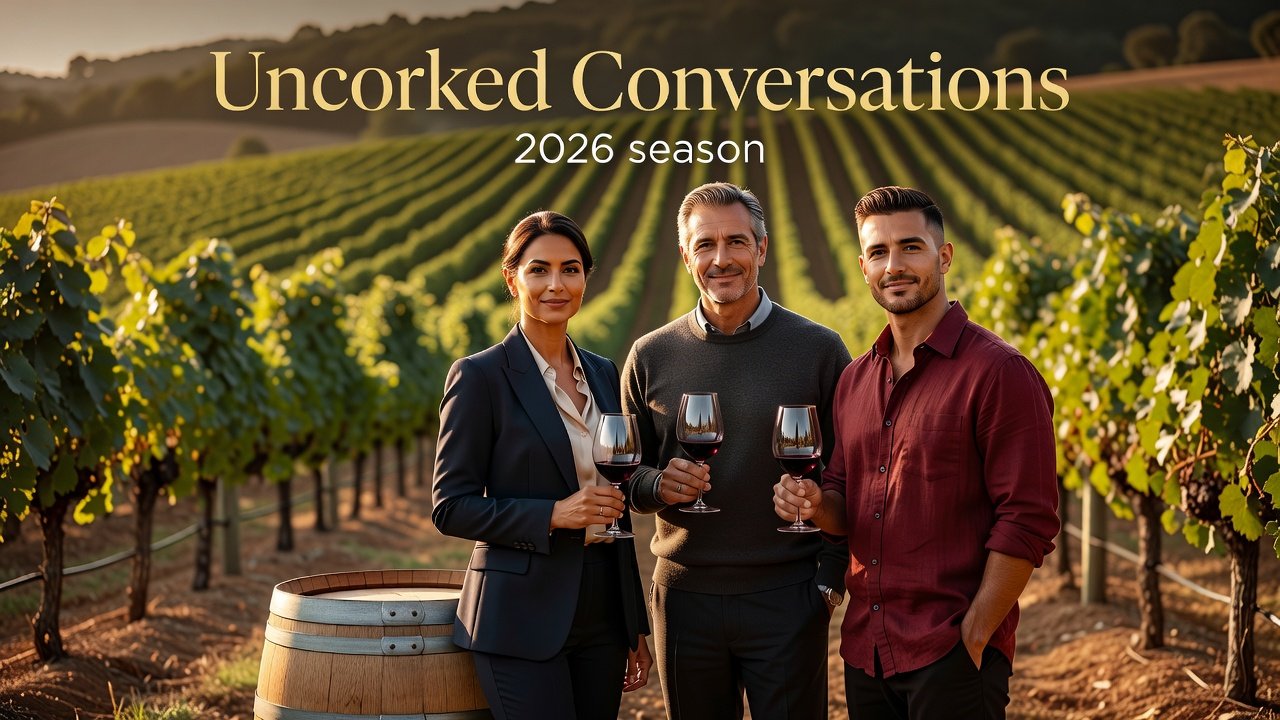
 Uncorked Conversations
Introduction: Unlocking Celebrity Insights from the Uncorked Conversations Podcast
Wine enthusiasts often turn to podcasts for inspiration, and Uncorked Conversations stands out by featuring high-profile guests who share their journeys into winemaking. This article dives deep into key episodes, extracting actionable lessons on career transitions, unique winemaking methods, and ways hobbyists can elevate their own practices. Whether you're a beginner or seasoned taster, these stories offer practical value drawn from real conversations. The podcast blends storytelling with expert advice, making complex topics like terroir and fermentation accessible. Listeners gain insights that bridge the gap between professional winemaking and personal enjoyment, helping them refine their palates and perhaps even launch small-scale projects. Keywords like celebrity winemaker lessons and podcast insights guide this exploration, ensuring readers find targeted advice for their wine journeys.
Career Transitions into Winemaking: Lessons from Notable Guests
Many celebrity winemakers on the podcast reveal unexpected paths from entertainment or other industries into viticulture. For instance, in Episode 72 featuring actor-turned-winemaker David Cross, listeners learn how his passion for Napa Valley led to a full pivot at the 18-minute mark. Cross emphasizes starting small with vineyard visits before committing capital, detailing how he balanced acting schedules with soil testing and grape sourcing. Similarly, Episode 89 with musician-turned-vintner Sarah McLachlan highlights her shift at the 25-minute timestamp, stressing education through online courses and mentorship programs. She shares challenges like navigating regulations and building a team from scratch.
Comparisons reveal varied approaches: Cross focused on bold marketing from his celebrity status to launch direct-to-consumer sales, while McLachlan prioritized sustainable farming from day one, incorporating organic certifications early. Other episodes, such as Episode 104 with a former athlete, discuss overcoming initial skepticism from industry veterans by focusing on quality over hype. Hobbyists can apply this by researching local vineyards and joining wine clubs to test the waters without major investment. Practical steps include attending virtual masterclasses and documenting personal tasting experiments to build confidence before scaling up.
Signature Techniques Shared by Celebrity Winemakers
Guests frequently discuss proprietary methods that set their wines apart. In Episode 65, at the 32-minute mark, a renowned chef-winemaker explains his co-fermentation technique blending grapes with herbs for layered flavors, including exact ratios and timing adjustments for optimal results. Another standout is Episode 101, where a Hollywood producer details cold-soak processes at 14 minutes to enhance color and aroma in reds, complete with temperature controls and duration recommendations. These differ from traditional methods by incorporating personal creativity—some favor minimal intervention to let grapes express themselves, others embrace technology like precise pH monitoring and yeast selection for consistency.
Listeners gain tips such as experimenting with small-batch home ferments to mimic these styles safely. The techniques often tie back to guest backgrounds, like using culinary precision in blending or performance artistry in marketing the final product. Wine Spectator resources can supplement these ideas with broader industry benchmarks.
How These Stories Inspire Hobbyists and Practical Applications
The podcast's narratives motivate everyday wine lovers to experiment. Career transition tales show it's never too late, encouraging side projects like backyard vines or virtual tastings. Signature techniques inspire replication, fostering a community of informed enthusiasts who appreciate nuanced profiles over mass-market options. Listeners often report increased confidence in selecting bottles and hosting events after applying these lessons. Practical applications include creating personal wine journals inspired by episode discussions and joining online forums to share replications of featured methods.
Step-by-Step Guide to Replicating Tasting Notes at Home
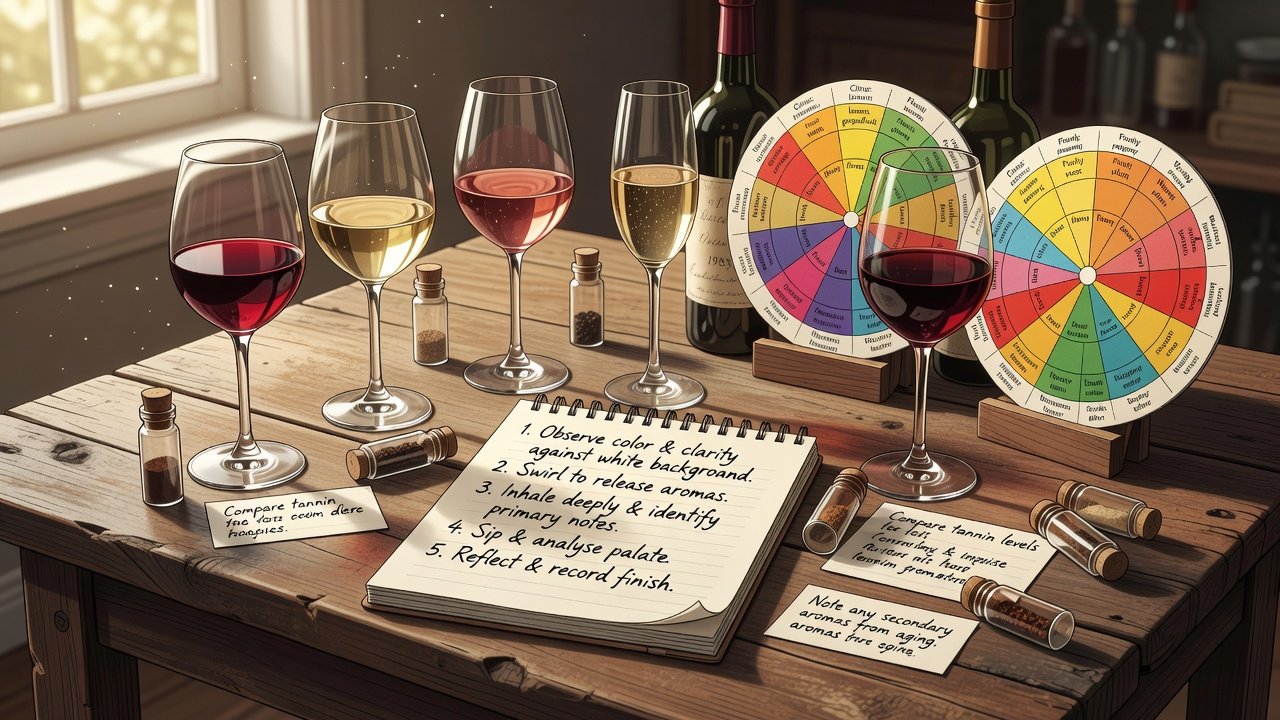
Follow this expanded guide to mirror professional approaches discussed in episodes:
- Prepare your space: Use neutral lighting and clean glasses to avoid distractions, as recommended in Episode 55 at 40 minutes. Clear the area of strong scents and gather tools like a spittoon and water for palate cleansing.
- Observe appearance: Note color, clarity, and legs by swirling the wine gently. Assess hue against a white background to identify age or grape variety indicators.
- Assess aroma: Swirl and sniff in stages—first impressions, then deeper notes like fruit or oak. Identify primary, secondary, and tertiary aromas systematically.
- Taste and evaluate: Sip, aerate, and identify flavors, acidity, tannins, and finish on a scale of 1-10. Consider mouthfeel and balance, revisiting after a short pause.
- Record and compare: Use a notebook or app to log notes, then revisit after aging or pairing to track evolution. Compare against episode examples for calibration.
- Refine with pairings: Test notes alongside simple foods to see how they evolve, building on guest recommendations for real-world application.
This method builds skills progressively and aligns with advice from multiple celebrity guests, turning casual drinking into an educational ritual.
Comparisons of Different Celebrity Approaches
Across episodes, approaches vary widely. One guest advocates terroir-driven minimalism, allowing natural elements to dominate, while another pushes innovative blends for broader appeal using modern equipment. These contrasts highlight that success stems from authenticity rather than trends, helping listeners choose styles matching their palate. For example, sustainability-focused guests contrast with those emphasizing bold flavor profiles through extended aging. Hobbyists benefit by testing both ends of the spectrum at home.
Tools and Resources for Aspiring Winemakers
Beyond techniques, episodes highlight essential tools. Basic kits for pH testing and fermentation vessels are frequently mentioned. Wine Enthusiast offers guides on equipment selection. Online communities provide support for troubleshooting common issues like oxidation.
FAQ: Guest Selection and Future 2026 Episodes
How are guests selected for Uncorked Conversations?
Producers prioritize winemakers with compelling stories, diverse backgrounds, and current releases, ensuring episodes deliver fresh insights for listeners. Selection often involves scouting industry events and listener suggestions.
What 2026 episodes are planned?
Upcoming seasons will feature more international celebrities and emerging talents, with themes around climate-resilient winemaking and digital marketing strategies.
Can listeners suggest future guests?
Yes, the podcast encourages submissions through its website, focusing on those with unique angles that align with educational goals.
Conclusion: Applying Podcast Wisdom to Your Wine Journey
Uncorked Conversations transforms celebrity experiences into accessible knowledge. By studying these episodes and practicing the tasting guide, enthusiasts can deepen their appreciation and skills. Explore Decanter for further reading and global perspectives to complement your learning. Start with one episode this week and apply a single tip to see immediate results.
No comments yet. Be the first!