 Uncorked Conversations
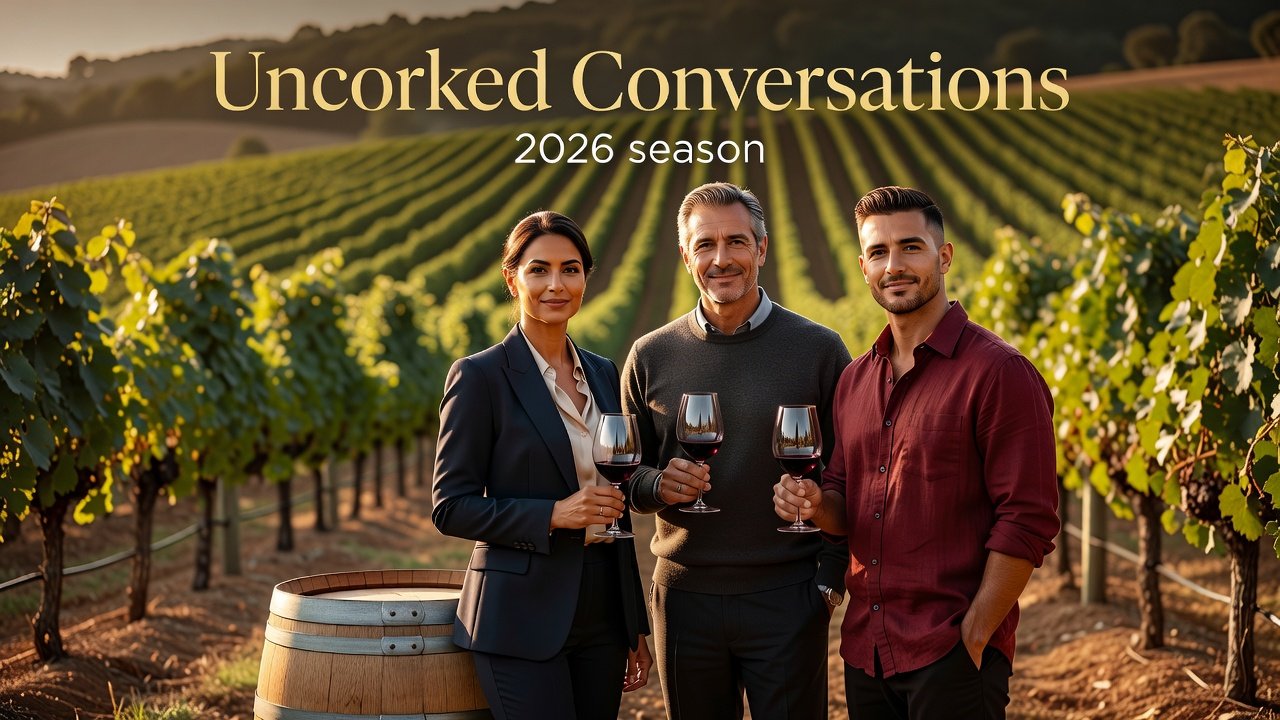
Introduction to 2026 Celebrity Winemaker Episodes
The Uncorked Conversations podcast has established itself as an essential listening destination for serious wine enthusiasts and casual drinkers alike who crave authentic insights from celebrity winemakers. Throughout 2026, the series delivered multiple standout episodes that blended personal narratives with forward-looking industry analysis. These conversations examined evolving consumer preferences, climate-driven adaptations in viticulture, and the creative problem-solving required to maintain quality while scaling production. Rather than offering generic overviews, the guests provided specific examples of techniques that listeners could replicate at home or recommend to local retailers. The episodes also highlighted how celebrity status opens doors to unique collaborations, such as limited-edition releases that fund environmental initiatives. By the end of the season, regular listeners had accumulated a toolkit of practical strategies ranging from soil management to sensory evaluation methods. This depth distinguishes the podcast from shorter format interviews and creates lasting value for anyone interested in the business and craft of winemaking.
Listeners tuning into these episodes gain a clearer picture of how high-profile figures navigate challenges like climate variability and consumer preferences. The conversations emphasize practical takeaways, such as adapting fermentation methods or selecting sustainable packaging options that balance cost and environmental impact.
Episode Summaries and Key Timestamps
Several standout episodes aired in early 2026 and quickly became listener favorites. The January episode with a renowned actor-turned-winemaker explored the intersection of entertainment industry discipline and vineyard oversight. At the 12-minute mark, the guest explained how daily script memorization routines translated into meticulous record-keeping for each vineyard block. Around the 28-minute timestamp, the discussion turned to emerging market shifts toward low-alcohol wines and how celebrity branding helped normalize these styles among younger consumers. The episode closed with a 51-minute segment on sourcing oak barrels from sustainable forests.
The February installment featured a musician who launched a boutique label after years of touring. Standout moments include the 15-minute discussion on innovative aging techniques using amphorae instead of stainless steel tanks, which the guest credited with preserving delicate floral aromas. At the 42-minute mark, listeners heard the story of a failed harvest that prompted an unexpected breakthrough in blending strategies involving unexpected varietals. A March episode with a television personality turned vintner focused on consumer education, with key insights at the 19-minute mark about hosting virtual tastings that increased direct-to-consumer sales.
- Episode 1 (January): Career pivot insights at 12:05; market trends at 28:40; sustainable oak sourcing at 51:15.
- Episode 2 (February): Amphorae experimentation at 15:22; harvest recovery at 42:10; blending experiments at 47:30.
- Episode 3 (March): Consumer education tactics at 19:55; virtual tasting logistics at 33:20.
These timestamps allow fans to jump directly to the most valuable segments without listening to entire shows, making the content highly accessible for busy professionals.
Market Shifts and Innovative Techniques Revealed
Beyond personal stories, the 2026 episodes frequently addressed broader market dynamics. Guests noted a clear acceleration in demand for wines produced with minimal intervention, including lower sulfur levels and native yeast fermentations. One winemaker described how social media campaigns showcasing transparent production processes led to a measurable uptick in repeat purchases. Another highlighted the growing appeal of orange wines among urban demographics, attributing this trend to increased interest in food-friendly styles that pair well with diverse cuisines. Innovative techniques discussed included precision irrigation sensors that reduce water usage by up to 30 percent and the adoption of lightweight glass bottles that lower shipping emissions without compromising perceived quality. These details gave listeners concrete ideas they could discuss with local sommeliers or apply when building personal cellars.
Personal Career Stories Shared by Guests
Each celebrity winemaker offered candid reflections on their journey into the industry. The actor described initial skepticism from established growers who questioned whether fame alone could sustain a serious wine brand. Over time, consistent quality and strategic partnerships proved the doubters wrong. The musician recounted late-night blending sessions in a rented warehouse that ultimately shaped the signature style of their label. These stories humanized the business side of winemaking and illustrated the persistence required to succeed. Listeners gained inspiration for their own side projects, whether launching a small label or simply advocating for better wine education in their communities.
Comparing Celebrity Approaches to Sustainability
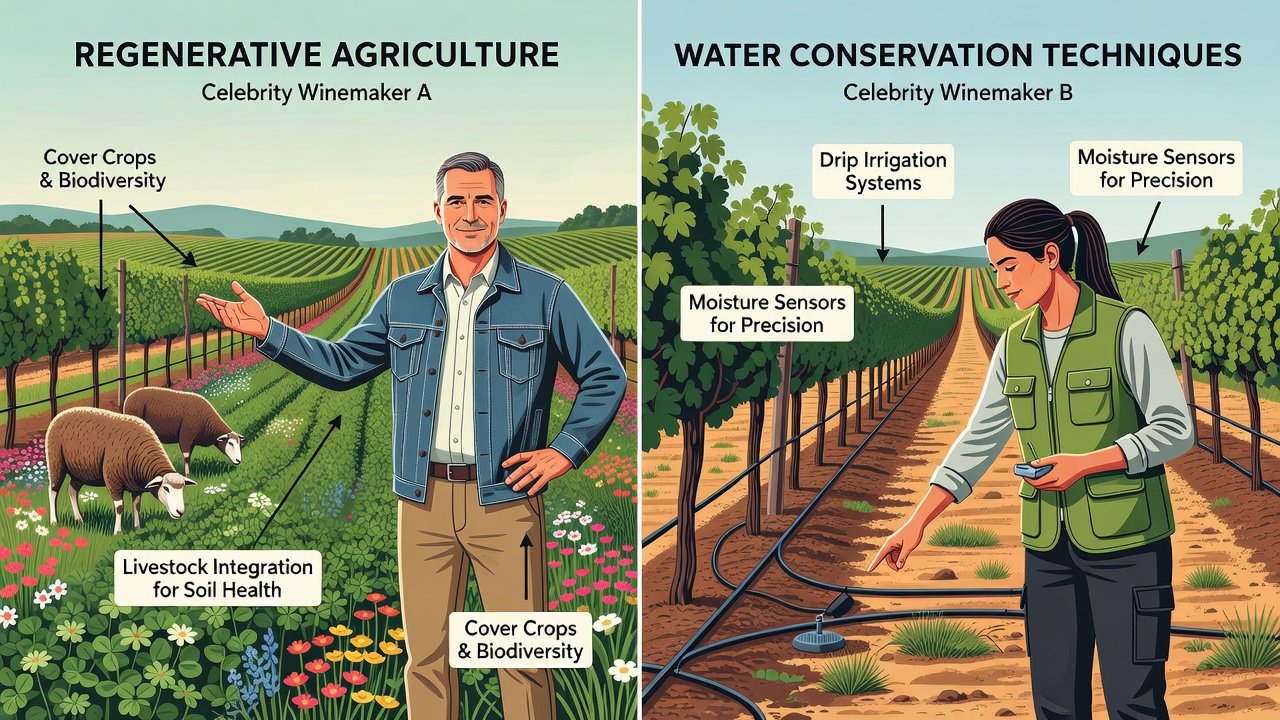
Celebrity winemakers featured in 2026 approached sustainability differently, providing rich material for comparison. One guest focused on regenerative agriculture, planting cover crops to improve soil health and biodiversity while sequestering carbon. Another emphasized water conservation through drip irrigation systems paired with drought-resistant varietals that maintain flavor intensity even in warmer vintages. A third winemaker prioritized carbon-neutral shipping by partnering with local distributors, reducing transportation emissions across their supply chain. These varied strategies illustrate that no single method fits all operations and that success depends on matching practices to specific terroir and business scale. The Wine Institute offers additional resources on industry-wide sustainability benchmarks for those wanting to explore further. Listeners can apply these lessons by starting small, such as choosing bottles from producers using similar eco-friendly practices or supporting vineyards that publish annual sustainability reports.
Practical Tasting Tips from the Interviews
Each episode included concrete tasting guidance that listeners could test immediately. One winemaker recommended swirling glasses for exactly 10 seconds to release aromas without over-oxidizing the wine, a technique especially useful for older vintages. Another suggested pairing bold reds with grilled vegetables to highlight acidity balance and prevent the wine from tasting overly tannic. Additional tips covered temperature control, with the advice to serve most whites slightly cooler than room temperature to preserve freshness. Guests also stressed the value of keeping tasting notes in a dedicated journal to track how wines evolve over time. Practical steps pulled from the series include:
- Begin with room-temperature whites to better detect subtle fruit notes before chilling.
- Use a neutral glass to avoid influencing aroma perception from previous pours.
- Note three descriptors per sip before discussing with others to build personal vocabulary.
- Compare the same wine from two different vintages side by side to understand vintage variation.
- Pair tasting sessions with simple food experiments to discover unexpected synergies.
These tips help both novices and experienced tasters refine their palates based on real-world advice from the guests.
How Uncorked Conversations Differs from Standard Wine Interviews
Unlike typical wine podcasts that focus primarily on tasting notes and scores, Uncorked Conversations integrates personal storytelling with technical details. Guests discuss career pivots, failures, and family influences, creating emotional connections that standard interviews often omit. The format also incorporates listener questions submitted in advance, leading to more interactive and relevant exchanges. This approach makes the content more memorable and directly applicable compared to purely educational formats. The podcast further distinguishes itself by featuring follow-up episodes that revisit earlier guests to discuss results of the techniques they described. For broader context on wine media, Wine Spectator provides complementary coverage of industry trends and producer profiles.
Conclusion
The 2026 episodes of Uncorked Conversations deliver valuable insights that extend well beyond entertainment. By combining timestamps, sustainability comparisons, market analysis, and tasting advice, the series equips listeners with tools to enhance their own wine experiences. Fans are encouraged to revisit these episodes for repeated learning and to experiment with the techniques shared by each guest.
FAQ
How can I access full episodes? All episodes are available on major podcast platforms and the official show website with no subscription required for the core 2026 season.
Are there related resources? Yes, show notes often link to producer websites and further reading on Decanter for in-depth regional profiles.
Can I submit questions for future episodes? Listener submissions are welcomed via the podcast's contact form and are frequently incorporated into upcoming shows.
Do episodes include transcripts? Select episodes offer downloadable transcripts upon request through the website's resource center.
No comments yet. Be the first!