 Uncorked Conversations
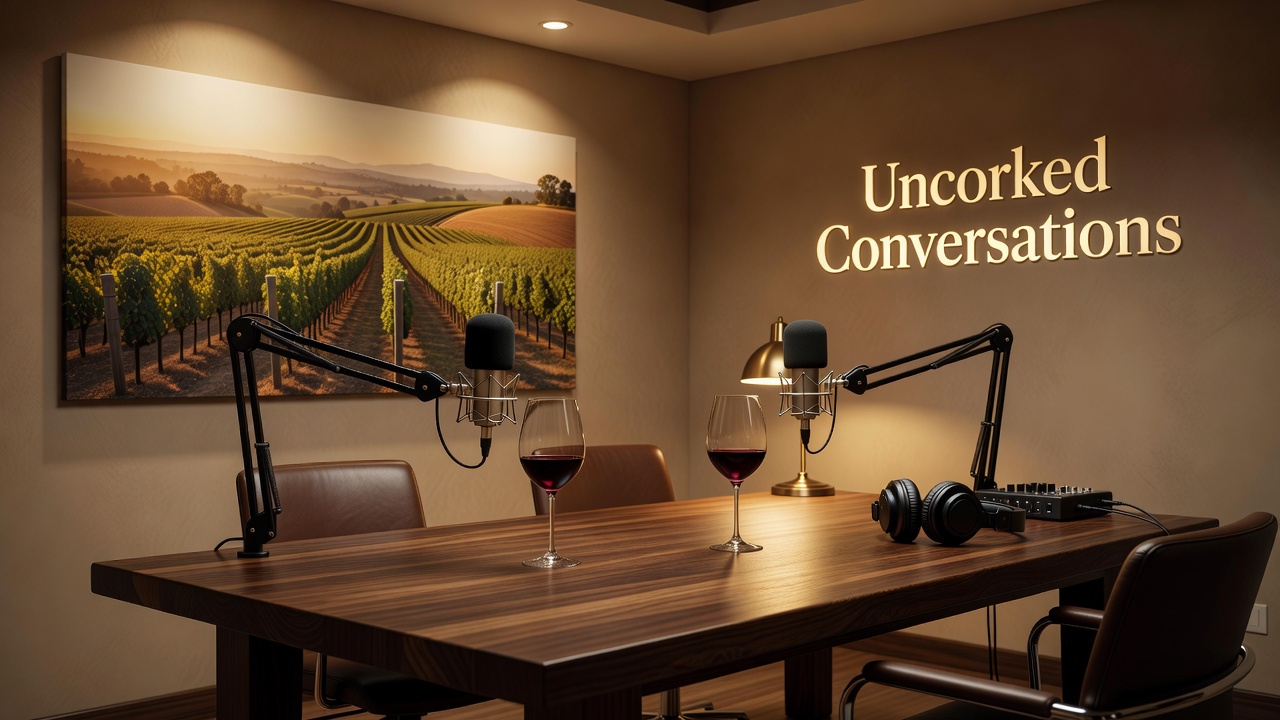
Introduction to Uncorked Conversations Podcast Production
Creating compelling wine podcast episodes requires more than just hitting record. Uncorked Conversations has built a reputation for authentic, insightful discussions that blend expert interviews with engaging vino talks. This behind-the-scenes look reveals the strategies that turn raw conversations into polished episodes listeners love. Whether you are an aspiring podcaster or a dedicated listener curious about the craft, understanding these workflows offers valuable insights into producing high-quality content in 2026.
The show focuses on demystifying wine through real stories and expert voices. Production begins long before microphones are switched on and continues through careful post-production. By examining each stage, you can apply similar techniques to your own projects or appreciate the effort behind every release.
Guest Selection Strategies for Authentic Wine Interviews
Selecting the right guests forms the foundation of every episode. The team prioritizes winemakers, sommeliers, and industry storytellers who bring unique perspectives rather than repeating standard tasting notes. Criteria include diversity of regions, experience levels, and storytelling ability. Recent episodes have featured natural wine producers from lesser-known areas alongside established critics to keep content fresh.
Outreach involves personalized emails highlighting why the guest fits the show's theme. This approach yields higher acceptance rates and sets expectations for candid discussions. Compared to many standard wine podcasts that rely on publicists for celebrity guests, Uncorked Conversations emphasizes emerging voices for more genuine exchanges.
Preparation Techniques for Engaging Vino Talks
Thorough preparation ensures discussions flow naturally without feeling scripted. Hosts review each guest's background, recent projects, and notable wines. A shared research document outlines key questions while leaving room for organic tangents. This balance helps maintain authenticity that listeners appreciate.
Pre-interview calls clarify technical details and build rapport. Guests receive topic outlines but no rigid scripts. The result is relaxed conversations that reveal personal insights into winemaking challenges and triumphs. One recent episode on sustainable practices emerged from a single offhand comment during prep that became the central theme.
Audio Editing Best Practices in Wine Podcasting
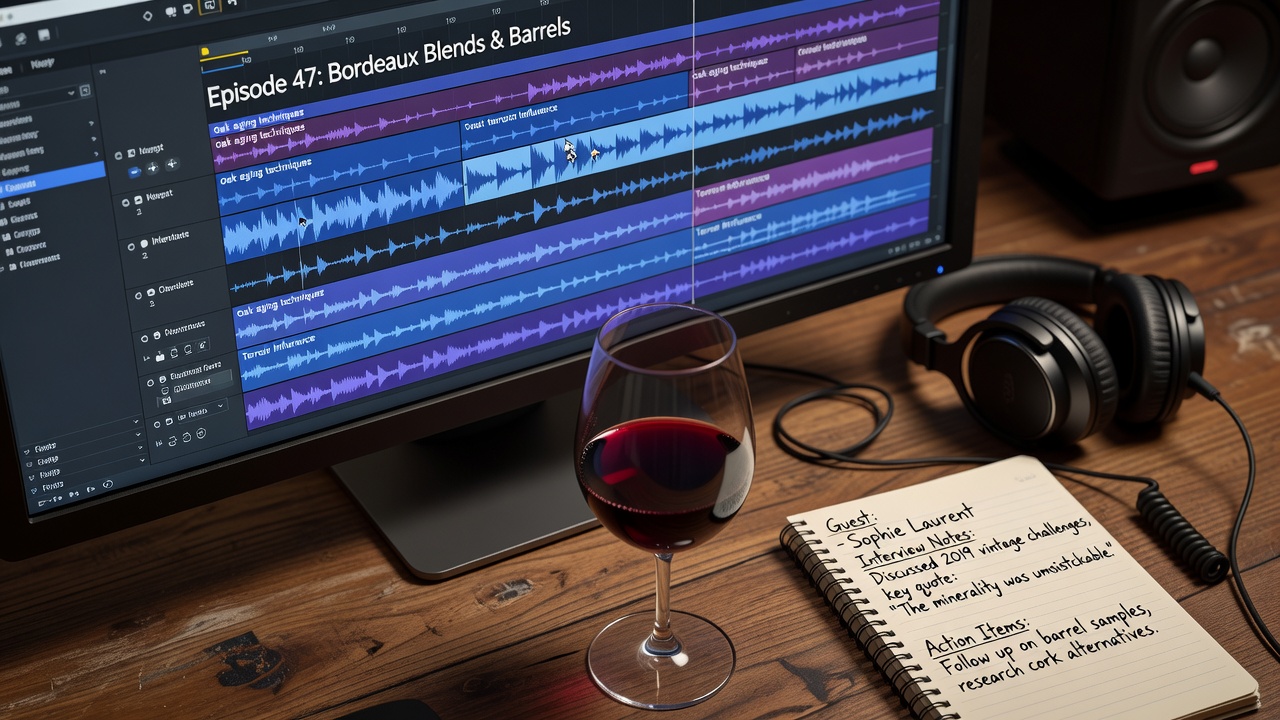
Editing transforms hours of raw audio into tight, engaging episodes. The process starts with noise reduction and leveling to ensure clear voices even when discussing subtle tasting descriptors. Music beds are kept minimal and wine-themed to enhance atmosphere without distraction.
Advanced techniques include strategic pauses for emphasis and subtle sound design elements like faint vineyard ambiance during region-focused segments. Quality control involves multiple listens on different devices. This meticulous approach sets Uncorked Conversations apart from many wine podcasts that release minimally edited content.
Handling Live Versus Recorded Formats
Most episodes are recorded in a controlled studio setting for optimal sound quality. However, occasional live recordings at wine events capture spontaneous energy and audience reactions. These require extra preparation, including backup recording devices and clear audience guidelines.
Live formats demand real-time moderation skills to keep discussions on track while allowing natural flow. Post-production for live episodes focuses on trimming audience noise and enhancing clarity. The team has found that blending both formats keeps the show dynamic across seasons.
Common Challenges in Wine Podcasting and Solutions
Technical issues like inconsistent audio from remote guests rank among top challenges. Solutions include standardized recording apps and backup phone lines. Another frequent hurdle is translating sensory wine experiences into audio-only descriptions that resonate with listeners.
Time management during busy harvest seasons can delay guest availability. Building a flexible production calendar with buffer weeks helps maintain a consistent release schedule. These practical solutions have helped the show grow steadily since its launch.
Real Examples from Recent Episodes
A standout 2026 episode explored volcanic soil wines with a Sicilian producer. The guest selection process identified this expert through regional harvest reports. Preparation included tasting notes shared in advance, leading to a lively discussion comparing terroir influences across continents.
Editing highlighted the producer's anecdotes about ancient winemaking traditions while keeping the episode under 45 minutes. Listener feedback praised the episode's balance of education and entertainment, demonstrating effective application of core production principles.
Comparisons to Standard Wine Podcast Workflows
Many wine podcasts follow a simpler model: quick interviews with minimal prep and basic editing. Uncorked Conversations invests more time upfront and in post-production, resulting in higher listener retention. This depth mirrors approaches seen in premium narrative podcasts from outlets like NPR.
While some competitors focus heavily on scoring systems and technical tasting language, Uncorked Conversations prioritizes storytelling. The outcome is broader appeal that attracts both novices and enthusiasts, expanding the wine podcast audience overall.
Practical Tips for Maintaining Listener Engagement
- Start episodes with a compelling hook related to the guest's most interesting wine story.
- Use descriptive language that helps listeners visualize vineyards and tasting experiences.
- Incorporate listener questions submitted via social channels to create community connection.
- End segments with actionable takeaways, such as pairing suggestions or travel tips.
- Monitor analytics to refine episode length and topic pacing based on drop-off points.
Frequently Asked Questions About Episode Creation
How long does it take to produce one episode?
From initial research to final export, the process typically spans two to three weeks depending on guest schedules and topic complexity.
What equipment is essential for high-quality wine podcast recordings?
Core tools include professional microphones, audio interfaces, and editing software. Remote interviews often use reliable platforms with strong noise suppression features.
How do you handle sensitive topics like wine industry controversies?
Guests receive advance notice of potentially challenging questions. The focus remains on constructive dialogue that educates rather than sensationalizes.
Conclusion
Producing Uncorked Conversations episodes involves deliberate choices at every stage to deliver authentic wine content. By applying these guest strategies, preparation methods, and editing practices, creators can elevate their own podcasts. Listeners gain a deeper appreciation for the craft behind each conversation. As the wine podcast space evolves in 2026, attention to these details continues to distinguish standout shows.
No comments yet. Be the first!