 Uncorked Conversations
Introduction to Uncorked Conversations in 2026
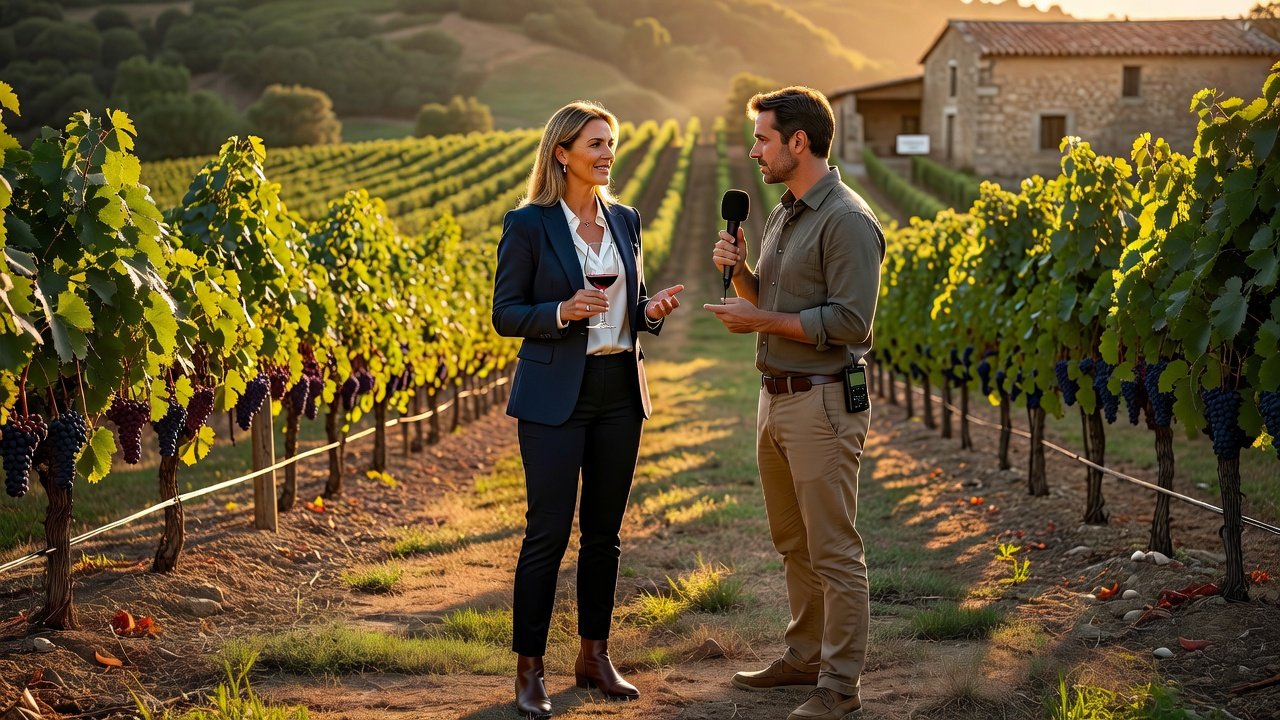
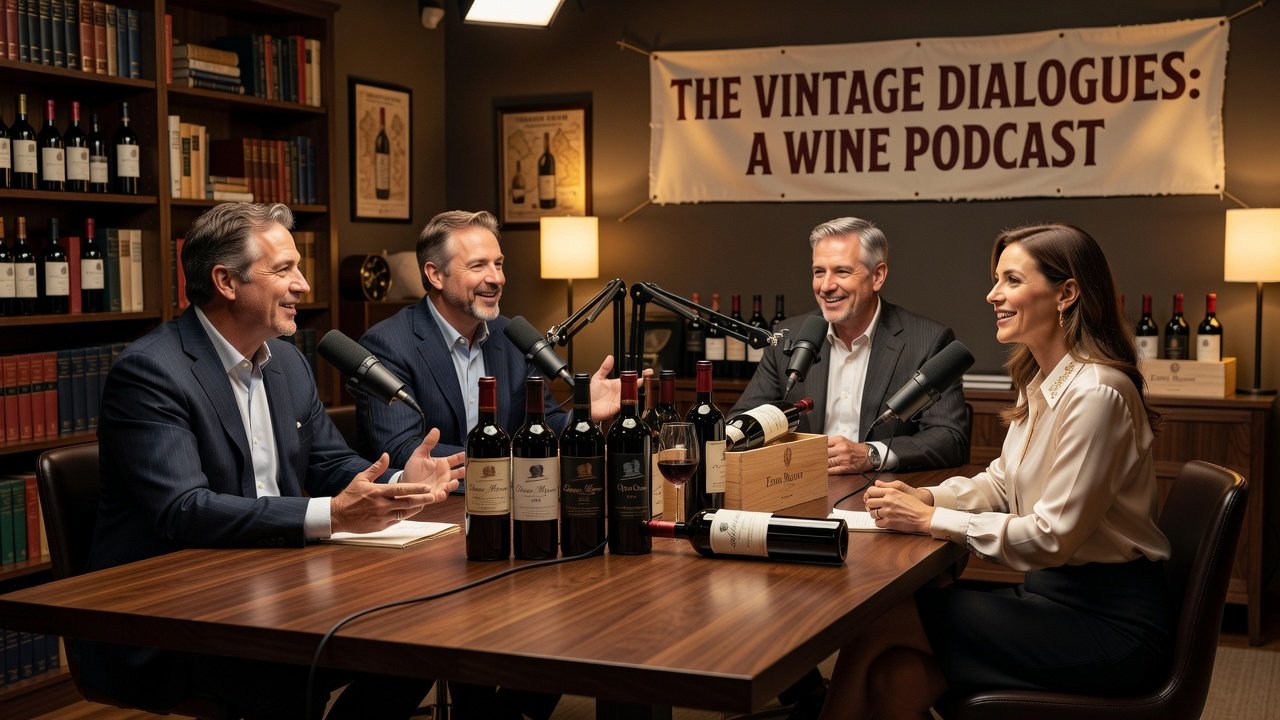
The Uncorked Conversations podcast has established itself as an essential resource for wine lovers eager to peek behind the curtain of the global wine industry. Throughout 2026, the series delivered a lineup of compelling interviews with celebrity winemakers who brought their unique backgrounds in entertainment, music, and sports into the vineyard. These conversations went far beyond surface-level anecdotes, offering listeners concrete strategies for improving their own winemaking experiments, refining tasting skills, and understanding the evolving landscape of sustainable viticulture. The episodes captured the tension between tradition and innovation, showing how high-profile figures navigate climate challenges, consumer trends, and personal creative visions.
By tuning into these discussions, enthusiasts can extract actionable advice that applies whether they manage a small home setup or simply want to deepen their appreciation during dinner pairings. This article examines the most memorable 2026 episodes, breaks down shared winemaking techniques, compares differing philosophies on sustainability and flavor development, and distills listener takeaways that can be implemented immediately.
Standout 2026 Episodes Featuring Celebrity Winemakers
One of the season's highlights featured a well-known actor who founded a boutique winery in Napa Valley after years in Hollywood. The discussion covered his shift from demanding film schedules to the slower rhythms of harvest season. He described learning to read weather patterns and soil health indicators, noting that "every vintage tells its own story if you take the time to listen." Listeners heard specific examples of how he adjusted maceration times based on grape ripeness tests conducted in his on-site lab.
A separate episode spotlighted a Grammy-winning musician who established an Oregon Pinot Noir project focused on minimal intervention. She walked through her decision to forgo filtration in many cuvées to retain natural texture and mouthfeel. Her tasting recommendations included serving the wines at slightly cooler temperatures than traditional guidelines suggest to highlight bright red fruit notes. Another memorable installment brought in a retired professional athlete who launched a label in Washington State, emphasizing how team-building principles translated directly into managing vineyard crews during peak season.
Practical Winemaking Tips Shared Across Episodes
Guests repeatedly stressed the importance of temperature control during fermentation, recommending dedicated cooling jackets or even simple water baths for smaller batches to prevent volatile acidity. One winemaker advised experimenting with whole-cluster fermentation for certain red varieties to introduce subtle stem-derived spice without overpowering primary fruit. Career lessons centered on the value of documentation; several guests maintained detailed digital logs of every decision from pruning through bottling, allowing them to replicate successes and avoid repeating mistakes in subsequent years.
- Begin with small-scale trials using five-gallon carboys before scaling up to larger tanks.
- Monitor malolactic fermentation completion through regular lab analysis rather than relying solely on sensory cues.
- Choose oak alternatives such as chips or staves when budget or space constraints limit barrel purchases.
- Build relationships with local nurseries to secure disease-resistant rootstock suited to your microclimate.
- Conduct regular sensory training sessions using aroma kits to calibrate your palate against professional standards.
Comparing Sustainable Practices and Flavor Innovation
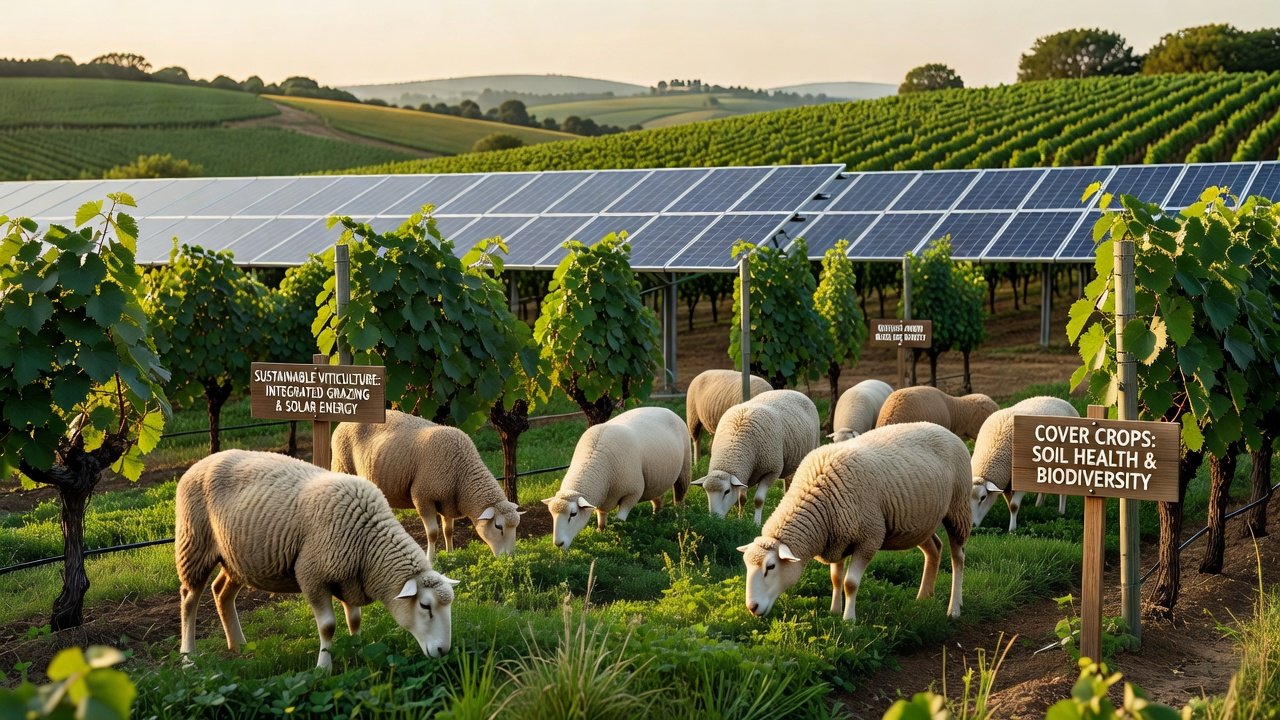
Approaches to sustainability varied significantly among the featured winemakers. The actor's Napa operation invested in solar arrays and advanced irrigation sensors that reduced water usage by tracking vine stress in real time. In contrast, the Oregon musician integrated sheep grazing between rows to manage cover crops naturally while also improving soil microbial activity. The Washington athlete adopted regenerative practices that included planting diverse pollinator habitats around vineyard blocks to support beneficial insects.
Flavor innovation strategies also diverged. One producer explored co-fermenting white and red grapes to create distinctive rosé styles with unexpected complexity. Another focused on extended lees aging in stainless steel to build creamy textures without oak influence. These differences illustrate how individual values and regional constraints shape final wine character. For authoritative guidance on sustainable methods, consult resources from Wine Institute and Decanter.
Listener Takeaways and Career Lessons
Many episodes underscored adaptability in the face of unpredictable harvests. One guest recounted salvaging a rain-damaged crop by shifting production toward sparkling wine, a pivot that ultimately became a flagship offering. Listeners are encouraged to apply similar flexibility when experimenting at home, perhaps by adjusting acid additions or exploring hybrid grape varieties when traditional options prove challenging.
Practical tasting exercises recommended across shows include organizing monthly blind tastings with friends to isolate variables such as vintage or vineyard site. Participants are advised to record impressions using structured note templates that track appearance, nose, palate, and finish separately. Career insights often revolved around the long-term mindset required in both entertainment and agriculture, reminding audiences that consistent small improvements compound over multiple seasons.
Common Mistakes to Avoid When Applying These Insights
Newcomers frequently overlook the importance of proper sanitation, leading to spoilage issues that could be prevented with simple cleaning protocols. Another common pitfall involves rushing fermentation by using excessive nutrients, which can produce off-aromas. Guests advised cross-referencing advice from multiple sources rather than adopting any single technique wholesale, and always testing small batches before committing larger volumes of fruit.
Short FAQ on Applying These Insights to Personal Wine Journeys
How can I start applying sustainable practices at home?
Begin by sourcing organic or biodynamic grapes from nearby growers and experimenting with reduced sulfur regimens during aging and bottling stages.
What tasting techniques were most recommended?
Focus on serving wines at precise temperatures and using ISO-standard glasses to allow full aroma expression, as demonstrated in several 2026 episodes.
Are there career lessons for non-winemakers?
Yes, the recurring themes of patience, detailed record-keeping, and creative problem-solving translate directly to many professional fields outside agriculture.
How do I choose between different sustainable certifications?
Evaluate certifications based on your specific region and goals, comparing requirements from organizations like LIVE in Oregon or Napa Green for relevance to your scale.
What equipment upgrades offer the best return for beginners?
Invest first in accurate temperature control and basic lab tools such as a hydrometer and pH meter before considering more advanced machinery.
Conclusion
The 2026 season of Uncorked Conversations provided wine enthusiasts with a wealth of practical knowledge drawn from celebrity winemakers who have successfully bridged entertainment careers with serious viticulture. By studying their sustainable choices, flavor experiments, and personal stories, listeners can refine their own approaches to winemaking and tasting. Implementing even a few of the shared techniques can lead to noticeable improvements in both homemade wines and everyday appreciation of the beverage.
No comments yet. Be the first!