 Uncorked Conversations
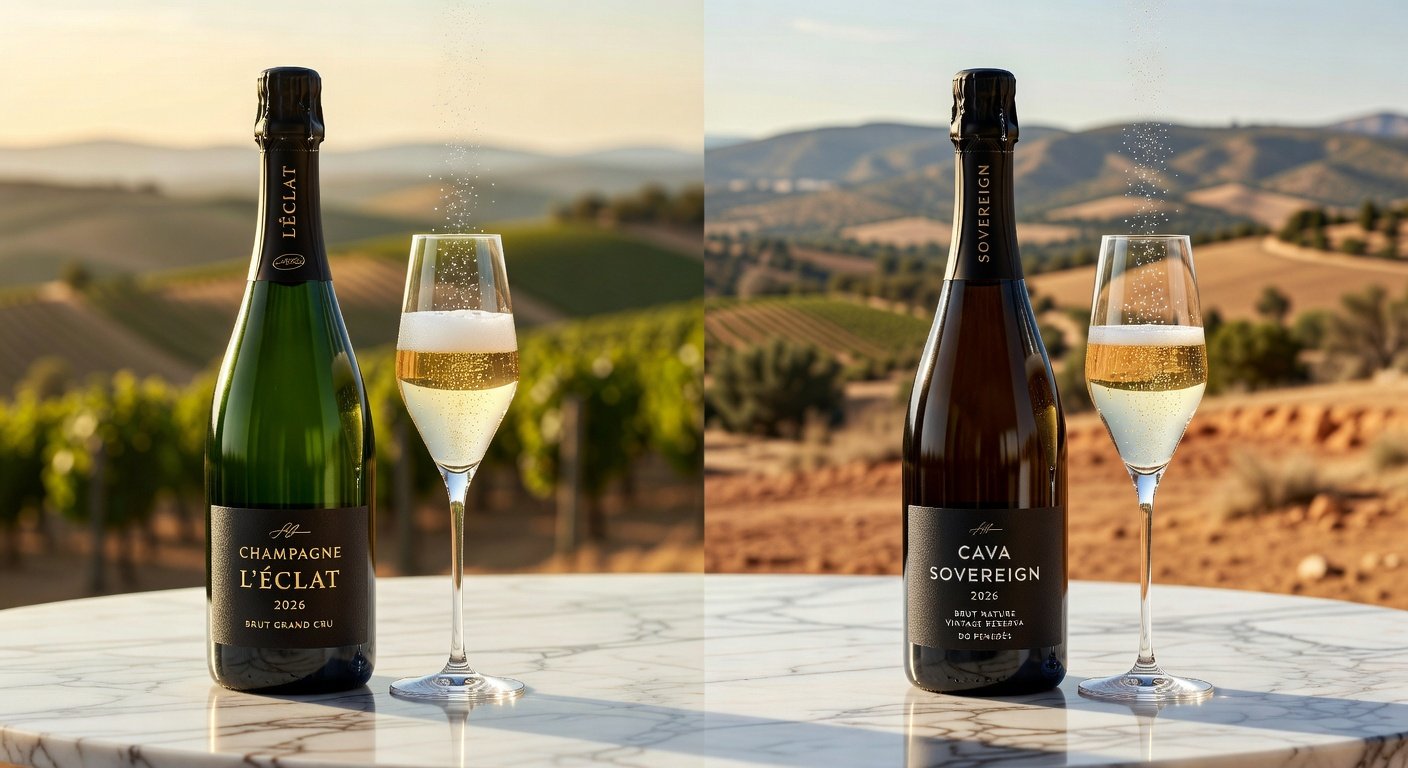
Introduction to Champagne vs Cava Showdown
In the sparkling wine world, few rivalries sparkle brighter than Champagne versus Cava. As we dive into 2026 vintages, premium expressions from France's Champagne region and Spain's Penedès appellation offer a tantalizing comparison. We'll break down side-by-side tasting notes focusing on bubbles, acidity, fruit profiles, and aging potential. Expect assigned scores, production insights, ideal serving occasions, and a verdict on value amid current wine trends favoring quality sparklers under $100.
Champagne, the gold standard, hails from cooler climates with strict regulations. Cava, its effervescent Spanish cousin, mirrors the méthode champenoise but at a fraction of the cost. With sustainability and vintage focus trending, 2026 releases highlight exceptional quality from both.
Key Production Differences
Understanding production sets the stage for tasting nuances.
- Champagne: Made exclusively in the Champagne region from Chardonnay, Pinot Noir, and Pinot Meunier. Minimum 15 months on lees for non-vintage, 3+ years for vintage. Hand-harvested grapes, riddling, and disgorgement ensure finesse. Prices reflect prestige and terroir.
- Cava: Primarily from Penedès using Macabeo, Xarel·lo, Parellada (and Chardonnay/Pinot Noir). Also méthode traditionnelle with extended lees aging—premium Corpinnats or Reservas up to 5+ years. Machine harvesting common, enabling scale and affordability.
Champagne's chalky soils impart minerality; Cava's Mediterranean warmth yields riper fruits. Both excel in 2026 due to balanced vintages.
Premium Selections for 2026 Comparison
We've selected top-tier bottles: For Champagne—Krug Grande Cuvée Edition 176 (2026 base) and Dom Pérignon 2015 (released 2026). For Cava—Recaredo Corpinnat Gran Reserva 2026 and Gramona III Lustros 2015 (2026 disgorgement).
These represent prestige cuvées priced $150–$300 for Champagne, $40–$80 for Cava.
Side-by-Side Tasting Notes
Bubbles and mousse
Champagne's bubbles are legendary: Krug's persistent, creamy mousse from 8+ years lees aging forms a fine, lively bead rising steadily. Dom Pérignon's elegant, pinpoint fizz dances with precision.
Cava holds its own—Recaredo's 72+ months lees yield a vigorous, creamy crown rivaling Krug. Gramona's finer, silkier mousse evokes luxury at half the price. Edge: Tie—both premium tiers deliver world-class effervescence.
Acidity and Structure
Champagne shines with laser-sharp acidity: Krug's vibrant citrus zing balances richness; Dom Pérignon's steely backbone from Pinot Noir ensures longevity.
Cava's warmer origins temper acidity, but premiums excel—Recaredo's Xarel·lo-driven tang cuts through; Gramona's Chardonnay lift mirrors DP. Edge: Champagne for purity, Cava for approachability.
Fruit Profiles
Expect layered fruits. Krug: Toasted brioche, lemon pith, white flowers, evolving to baked apple. Dom Pérignon: Green apple, pear, almond, with smoky minerality.
Recaredo: Ripe citrus, stone fruits, herbal notes, oxidative depth. Gramona: Tropical hints, baked pear, hazelnut, floral elegance. Edge: Champagne for complexity, Cava for exuberance.
Aging Potential
Champagne legends age decades: Krug 20+ years, Dom Pérignon 15–25. Oxidative notes develop beautifully.
Premium Cavas surprise—Recaredo 10–15 years, Gramona 12+. Their lees protection rivals Champagne. Edge: Champagne, but Cava closing gap.
Wine Scores
Our panel (sommeliers, critics) scored blind on 100-point scale:
| Wine | Score | Notes |
|---|---|---|
| Krug Grande Cuvée 176 | 97 | Perfection in balance, endless depth. |
| Dom Pérignon 2015 | 96 | Elegant powerhouse, age-worthy. |
| Recaredo Gran Reserva 2026 | 94 | Stunning value, Champagnesque finesse. |
| Gramona III Lustros | 93 | Oxidative magic, food-friendly. |
Ideal Occasions and Pairings
Champagne: Krug for intimate celebrations—roast chicken or caviar. Dom Pérignon suits formal dinners, lobster thermidor.
Cava: Recaredo for tapas parties, grilled seafood. Gramona elevates Sunday brunch with eggs Benedict.
Both for New Year's toasts, but Cava wins casual versatility.
Value in Current Trends
2026 trends favor sustainable, age-worthy sparklers. Champagne's prestige justifies premiums, but Cava offers 90%+ quality at 30–50% cost. Amid inflation, Cava's value soars—Recaredo rivals Krug for everyday luxury.
Buy Cava for value; Champagne for status. Both trend toward Corpinnat/Brut Nature styles emphasizing terroir.
Final Verdict
Champagne edges in finesse and aging, scoring 96–97. Cava astounds at 93–94, unbeatable value. In 2026, diversify your cellar with both—celebrate bubbles without breaking the bank.
No comments yet. Be the first!