 Uncorked Conversations
Introduction to AI in Wine Tasting
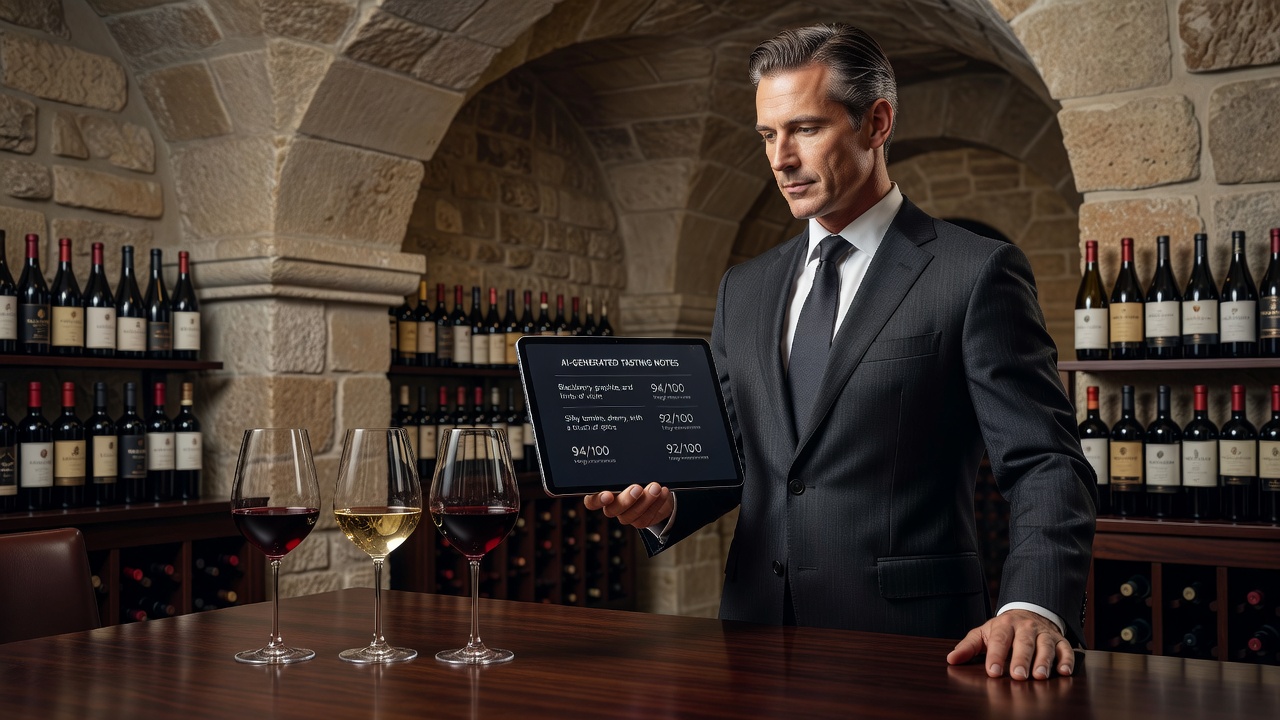
In 2026, artificial intelligence is transforming how wine enthusiasts document and evaluate their experiences. AI tools analyze sensory inputs to generate detailed tasting notes and numerical scores, helping both beginners and experts achieve greater consistency across sessions. This comprehensive guide explores the best platforms available, accurate data entry methods, score interpretation techniques, and real-world step-by-step examples across three distinct wines. Whether you are a casual taster or a dedicated collector, integrating AI can streamline the review process while preserving the artistry of personal evaluation. By the end of this article, you will understand how to leverage these technologies effectively for superior results.
Benefits of AI Integration for Wine Enthusiasts
AI integration offers several key advantages in 2026. It reduces subjectivity by benchmarking against vast datasets of professional reviews, leading to more repeatable outcomes. Users report improved speed, with notes generated in seconds rather than minutes of manual writing. Additionally, AI highlights subtle patterns such as vintage variations or regional typicity that might be overlooked during hurried tastings. This technology also supports accessibility, allowing those with limited wine vocabulary to produce professional-grade descriptions through guided prompts. Overall, the result is a more educational and enjoyable tasting experience that builds long-term palate development.
Selecting the Right AI Platforms
Choosing an AI wine app starts with evaluating features like sensory input support, scoring algorithms, and integration with existing wine databases. Popular options include dedicated wine AI suites that process aroma, flavor, and texture data through machine learning models trained on vast tasting archives. Look for platforms offering mobile apps with voice or photo upload capabilities for seamless use during tastings. Cross-reference outputs against established sources such as Wine Spectator to validate reliability. Consider factors including user interface simplicity, export options for personal cellars, and community sharing features. Some tools specialize in specific regions while others offer global coverage, so align your choice with your primary tasting interests such as New World versus Old World wines.
Inputting Sensory Data Accurately
Accurate inputs are critical for meaningful AI results. Begin by noting primary aromas, secondary notes, palate structure, acidity levels, tannin intensity, and finish length using standardized descriptors. Upload high-resolution photos of the wine label and glass for visual context. Voice-to-text features allow real-time narration of impressions. Avoid vague terms; instead, quantify where possible, such as “medium-plus acidity” or “silky tannins.” This precision enables the AI to map inputs against established wine profiles. Practice in controlled environments first, such as structured flights at home, to refine your descriptive skills before relying on the tool during social gatherings or restaurant visits.
Interpreting Generated Scores
AI-generated scores typically range from 80 to 100, mirroring traditional scales. The system weighs factors like balance, complexity, and typicity. Users should review the breakdown provided by the tool, which highlights strengths and potential flaws. Compare these scores to manual assessments to identify patterns in personal palate bias. Over time, repeated use refines both human and AI alignment, creating a feedback loop that sharpens overall tasting acumen. Pay attention to confidence metrics or alternative suggestions offered by the software, as these can reveal edge cases where human judgment should override algorithmic output.
Step-by-Step AI-Assisted Reviews: Three Wine Examples
Example 1: 2024 Napa Valley Cabernet Sauvignon
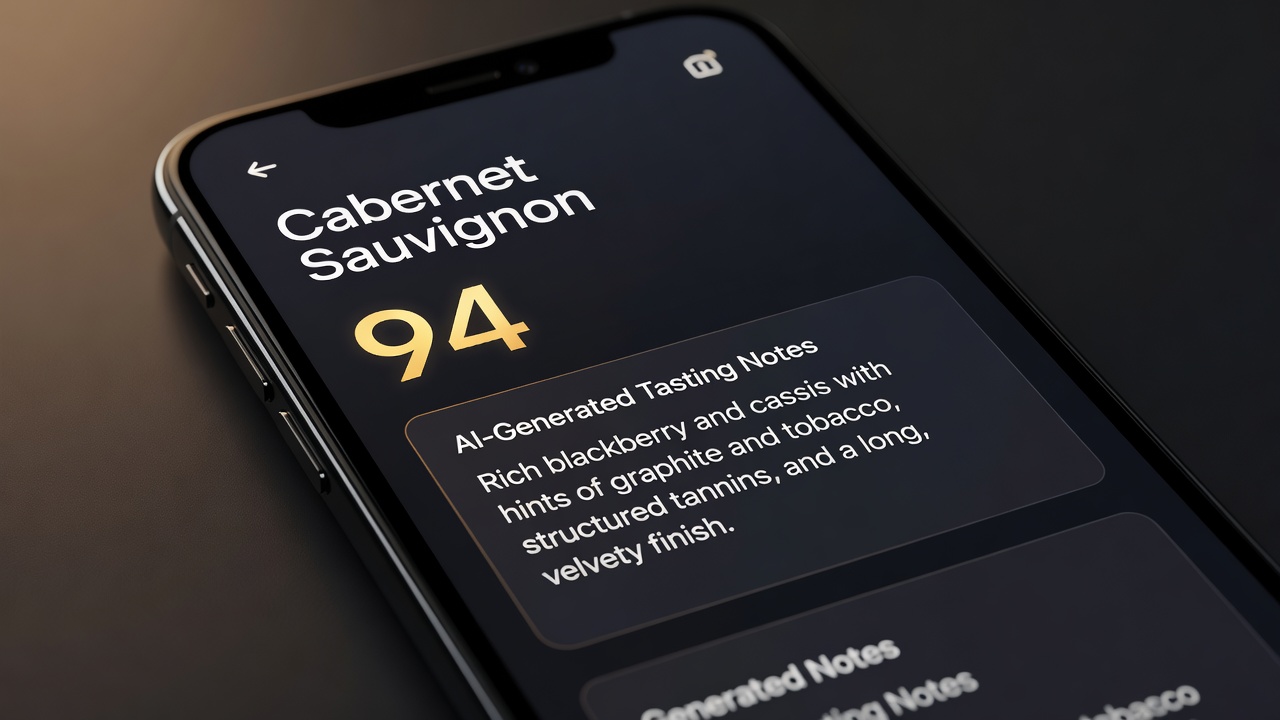
Input aroma notes of blackcurrant, cedar, and graphite along with full body and firm tannins. The AI produces a note describing “intense black fruit layered with herbal undertones and a long, structured finish,” assigning a score of 94. Manual review confirms the structure but adds personal nuance on oak influence. The full process involves first smelling the wine for 30 seconds, recording three to five dominant aromas, then assessing the palate in stages: attack, mid-palate, and finish. This methodical approach ensures the AI receives rich data for nuanced generation.
Example 2: 2025 Chablis Chardonnay
Describe citrus zest, wet stone, and crisp acidity. The generated note emphasizes “mineral-driven profile with lemon-lime vibrancy and elegant restraint,” scoring 92. AI highlights the wine’s aging potential based on acidity metrics. To maximize value, follow up by inputting any food pairings tried alongside the wine, allowing the tool to suggest future matches grounded in flavor chemistry principles.
Example 3: 2023 Oregon Pinot Noir
Enter red cherry, earth, and silky texture details. Output note reads “delicate red fruit with forest floor complexity and fine-grained tannins,” scoring 91. The tool suggests food pairings based on flavor profile analysis. Expand this by logging the serving temperature and decanting time, as these variables influence how the AI interprets evolution in the glass.
Manual vs AI Tasting Notes Comparison
Manual notes excel in capturing subjective emotional responses and unique personal memories tied to the tasting occasion. AI notes provide speed, consistency across sessions, and objective benchmarking against thousands of similar wines. A hybrid approach—using AI as a drafting assistant followed by human refinement—often yields the most comprehensive results. Studies from industry bodies like the Decanter show reduced variance in scoring when AI assists. Enthusiasts who combine both methods report higher satisfaction because the technology handles the repetitive structure while the taster retains creative control over emotional descriptors and storytelling elements.
Common Mistakes to Avoid
- Rushing inputs without tasting mindfully and allowing the wine to open fully
- Ignoring AI confidence indicators on outputs that signal lower reliability
- Over-relying on scores without contextual review of the full note
- Failing to update profiles with new vintages or personal tasting history
- Neglecting to calibrate the tool against your own palate preferences over multiple sessions
Best Practices for Long-Term Use
Establish a consistent routine by tasting at similar times of day and maintaining a dedicated notebook or digital log before entering data. Periodically export your AI-assisted reviews to cross-check against printed references or professional publications. Join online communities focused on AI wine tools to share calibration techniques and learn from collective experiences. This ongoing refinement transforms the technology from a novelty into a reliable companion for your wine journey.
FAQ
How accurate are AI wine scores?
Accuracy depends on input quality and model training data. Current 2026 systems achieve strong correlation with expert panels when users provide detailed sensory descriptors, though they remain tools rather than replacements for experienced palates. Regular calibration against trusted sources improves results significantly.
What about privacy in AI wine reviews?
Reputable platforms encrypt tasting data and offer options to keep notes private. Always review privacy policies before uploading photos or personal tasting histories to ensure data control and compliance with your comfort level.
Can AI replace professional sommeliers?
No, AI serves as an augmentation rather than a replacement. It excels at pattern recognition and speed but lacks the nuanced human interaction and contextual storytelling that define exceptional service in hospitality settings.
How do I get started if I am new to both wine and AI?
Begin with simple apps that offer guided prompts and start with familiar grape varieties. Gradually increase complexity as your confidence grows, combining AI outputs with basic reading from authoritative wine education sites.
Conclusion
AI tools in 2026 empower wine lovers to document experiences with greater efficiency and consistency. By mastering platform selection, precise data entry, and thoughtful interpretation, enthusiasts can elevate their reviews while maintaining the personal joy of discovery. The future of tasting lies in this thoughtful blend of technology and tradition, opening new avenues for appreciation and learning.

No comments yet. Be the first!