 Uncorked Conversations
Introduction to 2026 Grenache Wines
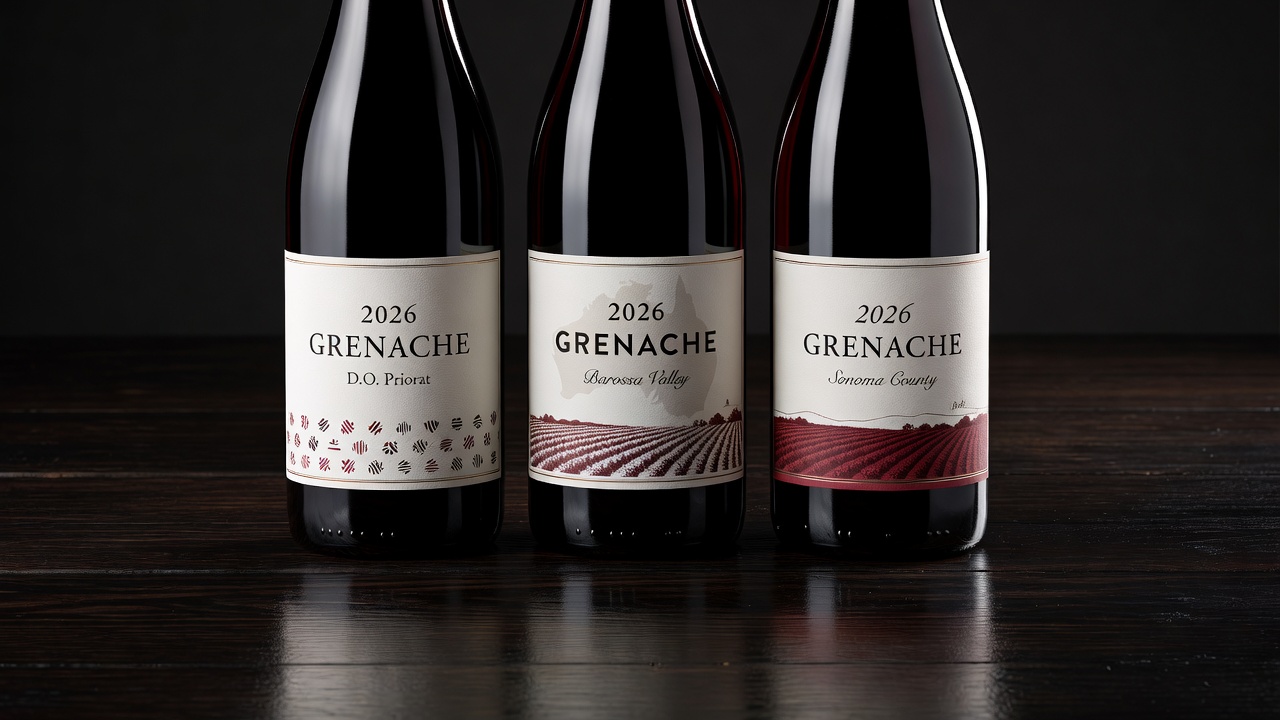
Grenache continues to captivate wine enthusiasts in 2026 with its vibrant fruit profiles and versatility across regions. This article delivers in-depth tasting notes, scores, and comparisons for standout bottles from Spain, Australia, and California, helping readers refine their review skills beyond mainstream varietals. Grenache, also known as Garnacha in Spain, offers bright red fruit, subtle spice, and varying levels of structure depending on terroir and winemaking. Enthusiasts seeking fresh options will find this varietal rewarding for its ability to express regional character while remaining food-friendly and age-worthy in top examples.
Expert Scoring Methodology
Professional tasters evaluate Grenache using a 100-point scale focused on aroma intensity, palate balance, and finish length. Aroma assessment considers primary fruit notes like strawberry and raspberry alongside secondary spice elements such as white pepper or dried herbs. Palate analysis examines acidity, tannin structure, and alcohol integration, while finish evaluates persistence and complexity. Scores above 90 typically indicate exceptional examples suitable for cellaring. Tasters also note color evolution, clarity, and any oak influence. This methodology ensures consistent, objective reviews that help consumers identify quality across price ranges and vintages.
Regional Differences: Spain
Spanish Grenache from areas like Priorat often displays concentrated dark fruit aromas with herbal undertones of thyme and rosemary. On the palate, expect ripe cherry and licorice notes supported by firm tannins, leading to a long, earthy finish that lingers with mineral and leather hints. These wines frequently score 92-95 points due to their mineral-driven complexity from slate soils. In regions such as Rioja and Navarra, Garnacha shows brighter strawberry and raspberry with softer acidity, earning 88-92 points for everyday appeal. The arid climate and old vines contribute to concentrated flavors that evolve beautifully with age.
Regional Differences: Australia
Australian examples from the Barossa Valley showcase brighter red fruit aromas such as raspberry and pomegranate, often with a touch of anise. The palate reveals juicy strawberry and subtle pepper, with softer tannins and a medium finish that highlights freshness. Scores commonly range from 88-93, reflecting their approachable yet layered character. McLaren Vale and Clare Valley bottlings add depth with notes of baked plum and olive, scoring higher when vineyard selection emphasizes balance over ripeness. These wines excel in warm climates that preserve acidity while delivering plush texture.
Regional Differences: California
California Grenache, particularly from Paso Robles, features aromas of baked cherry and rose petal with hints of lavender. Palate impressions include red plum and vanilla oak influence, culminating in a spicy, lingering finish with fine-grained tannins. These often earn 90-94 points for their balanced ripeness and elegance. Sonoma and Santa Barbara examples lean toward lighter styles with cranberry and white pepper, scoring 87-91 for vibrant, early-drinking appeal. The diversity of soils and elevations allows California producers to craft both powerful and delicate interpretations of the grape.
Value Comparisons Across Price Points
Entry-level Grenache offers excellent everyday drinking with solid fruit purity and soft tannins, making them ideal for casual enjoyment without complexity overload. Mid-tier selections provide enhanced complexity through better vineyard sites and careful oak aging, revealing layered aromas and longer finishes. Premium bottles deliver age-worthy structure and nuanced flavors such as dried herbs and earth, rewarding collectors seeking depth and evolution over time. Comparing these tiers helps enthusiasts match bottles to occasions, from weeknight meals to special celebrations.
Food Pairing Recommendations
Grilled lamb chops pair beautifully with Spanish Grenache's earthy notes and firm tannins, cutting through richness while highlighting herbal elements. Roasted duck complements Australian styles' bright fruit and softer structure, creating harmony with the wine's juicy palate. Herb-crusted pork tenderloin matches California's spice and oak elements, enhancing vanilla and plum flavors. Additional pairings include charcuterie boards with aged cheeses for mid-tier bottles and tomato-based pasta dishes for entry-level examples. Experimenting with these combinations enhances both the meal and the tasting experience.
Step-by-Step Note-Taking Template
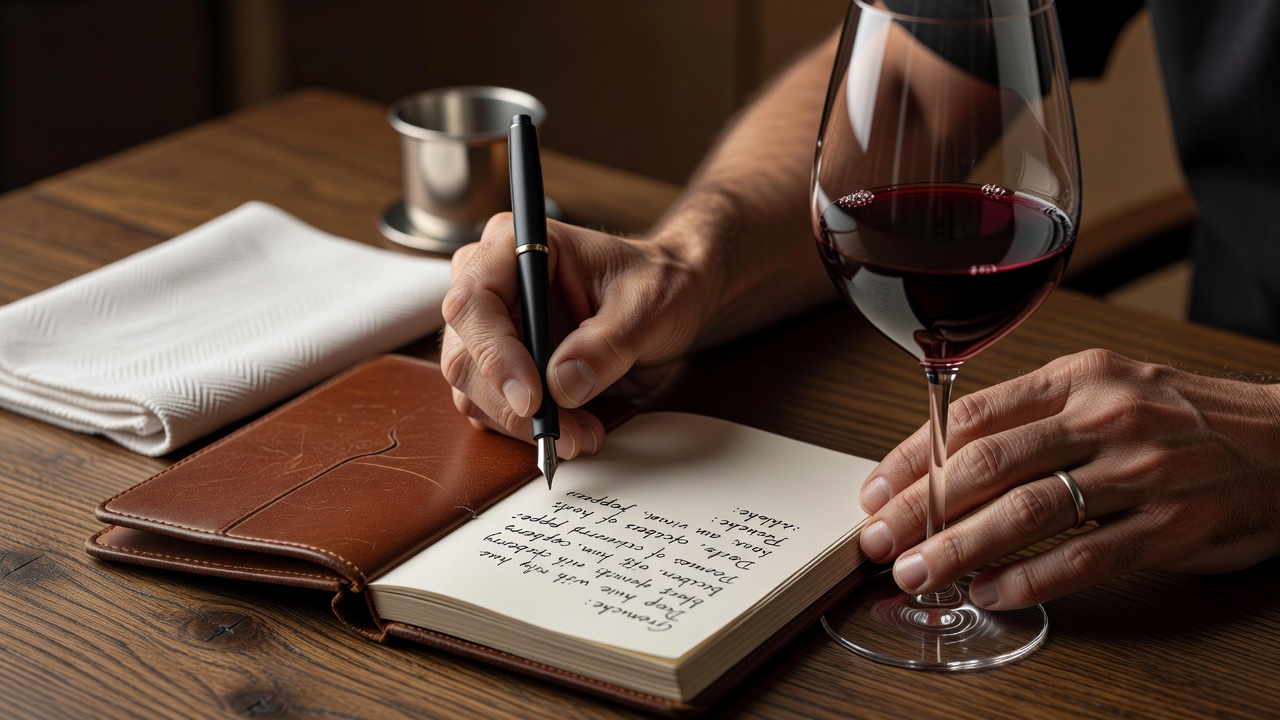
- Observe color and clarity under natural light to note hue intensity and any sediment.
- Swirl and note primary and secondary aromas, describing specific fruits, spices, and earth tones in detail.
- Sip and assess attack, mid-palate, and finish, recording acidity, tannin, and flavor progression.
- Record overall balance and potential evolution, considering how the wine might develop over years.
- Assign score based on objective criteria while noting personal preferences for context.
This template builds consistent habits and sharpens sensory memory for better future reviews.
Real Tasting Examples
One standout Spanish Grenache showed intense raspberry and thyme on the nose, transitioning to a structured palate with black tea notes and a mineral finish, scoring 94 points. An Australian counterpart presented fresh strawberry aromas, a soft red fruit palate, and a clean 12-second finish for 91 points. A California example opened with baked cherry and rose, delivering red plum and spice on the palate before a vanilla-tinged finish that earned 92 points. Another Priorat bottling revealed concentrated dark fruit and licorice with firm tannins, scoring 95 and showing excellent aging potential through its balanced structure.
Common Mistakes to Avoid When Reviewing Grenache
Many tasters overlook subtle spice notes by focusing only on fruit, leading to incomplete descriptions. Rushing the finish assessment can miss important length and complexity cues. Ignoring regional context may result in unfair comparisons between styles. Always allow the wine to breathe and taste at proper temperature to avoid skewed perceptions of acidity or alcohol.
FAQ: Grenache Aging Potential
How long can Grenache age? Quality examples from Spain often improve for 8-12 years, developing leather and dried fruit characteristics. Australian and California versions typically peak within 5-8 years. What storage conditions are ideal? Maintain 55°F with 60-70% humidity and minimal light exposure. Can Grenache be cellared young? Yes, structured bottles benefit from 2-4 years of bottle age to soften tannins and integrate flavors. Does Grenache improve after opening? Many benefit from decanting 30-60 minutes to open up aromas and soften tannins.
Conclusion
Mastering 2026 Grenache reviews involves understanding regional nuances, applying consistent scoring, and experimenting with pairings. Use the provided template to build your own notes and discover new favorites. For further reading, explore resources at Wine Magazine and Decanter.

No comments yet. Be the first!