 Uncorked Conversations
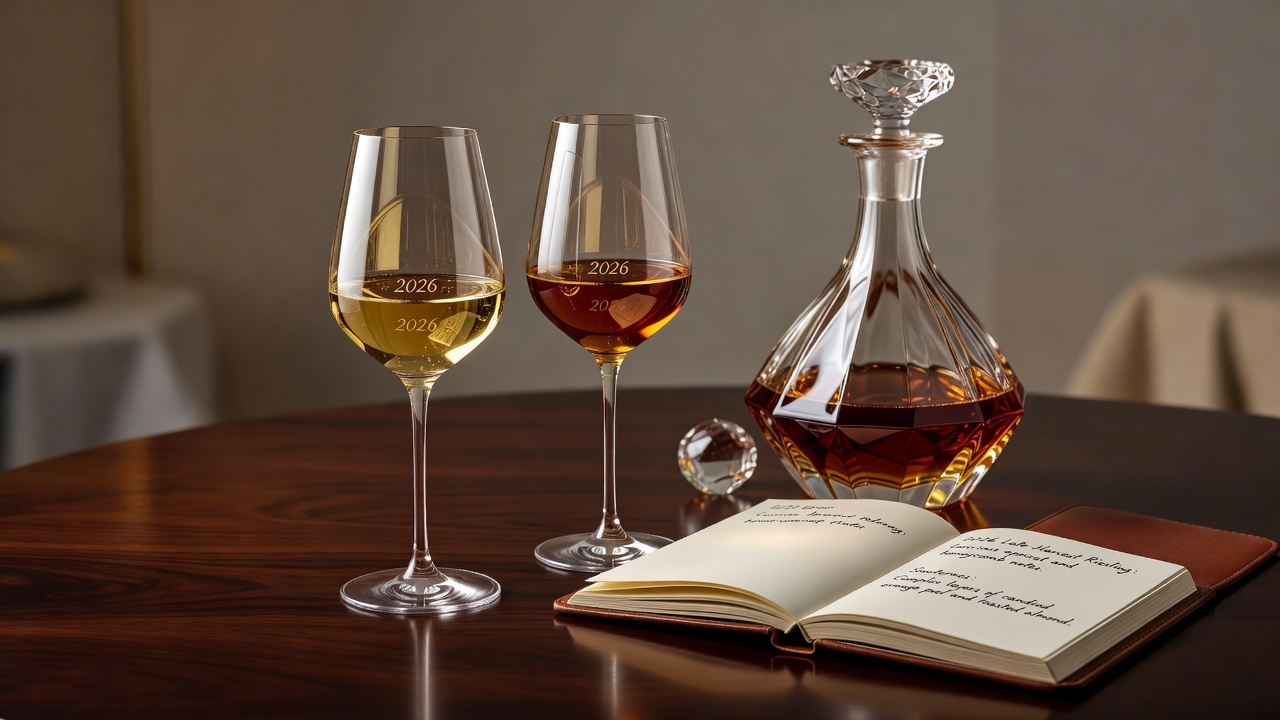
Introduction to 2026 Dessert Wine Insights
As wine enthusiasts and collectors look ahead to 2026, dessert wines continue to captivate with their concentrated sweetness, intricate flavors, and remarkable aging potential. These wines, produced from grapes affected by noble rot or late harvesting, offer a unique sensory experience that rewards careful evaluation. This comprehensive guide provides detailed tasting notes, sensory breakdowns, aroma profiles, and scoring examples drawn from recent vintages. Whether you are an enthusiast refining your palate or a collector updating your review skills, the practical protocols and regional comparisons here will help you navigate the evolving landscape of dessert wines with confidence and precision.
Key Varieties: Late-Harvest Riesling and Sauternes
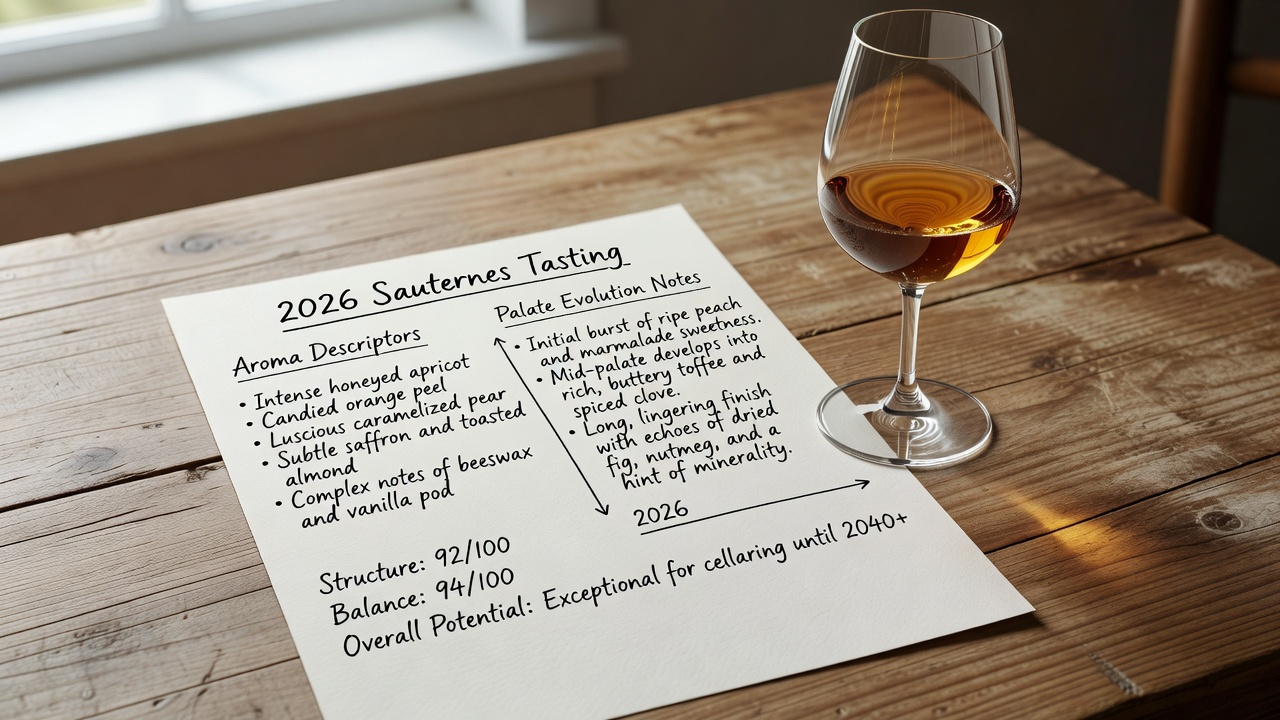
Late-harvest Riesling stands out for its vibrant acidity that perfectly balances intense sweetness. In 2026 tastings, these wines typically display notes of apricot, honey, and citrus zest alongside a lingering mineral finish that adds depth. Sauternes, produced in the Bordeaux region of France, delivers richer profiles thanks to botrytis-affected grapes, featuring dried apricot, saffron, and toasted almond aromas that evolve on the palate over several minutes. Both varieties exemplify how residual sugar levels above 100 grams per liter create luscious textures while maintaining elegance through natural acidity.
Sensory Breakdowns and Aroma Profiles
For late-harvest Riesling, the nose often reveals layered scents of peach, lime blossom, and wet stone, reflecting the terroir of steep vineyard slopes. On the palate, sweetness builds gradually, revealing layers of tropical fruit and honeysuckle before a crisp acid cut refreshes the finish. Sauternes offers opulent aromas of orange marmalade, ginger, and vanilla bean, with a viscous mouthfeel that coats the tongue and finishes with vibrant acidity that prevents cloying sensations. These profiles can shift dramatically as the wine opens in the glass, making multiple sips essential for full assessment.
Regional Comparisons Across Major Growing Areas
Regional differences profoundly influence dessert wine character. German late-harvest Rieslings from the Mosel emphasize slate-driven minerality and bright lemon-lime acidity, while those from the Rheingau showcase riper peach and apricot tones with a fuller body. Alsace versions lean toward intense stone fruit and floral notes due to warmer microclimates. Sauternes contrasts sharply with neighboring Barsac through higher botrytis influence, yielding denser textures and greater complexity than many Canadian ice wines, which often display cleaner, more straightforward fruit driven by freezing temperatures rather than noble rot. Comparing these regions side by side helps tasters appreciate how climate, soil, and winemaking traditions shape sweetness perception and aging trajectories.
Practical Scoring Examples from Recent Vintages
Using the standard 100-point scale favored by critics, a 2023 Mosel late-harvest Riesling might earn 94 points for its precise balance of approximately 120 grams per liter residual sugar and electric acidity that lifts the fruit. A 2024 Sauternes could score 96 points for its multi-layered complexity, including saffron and toasted hazelnut notes that unfold over an extended finish. These scores reflect both immediate sensory appeal and long-term cellar worthiness. When scoring, consider factors such as aroma intensity, palate texture, and balance rather than sweetness alone, ensuring evaluations remain objective and useful for future reference.
Step-by-Step Tasting Protocol for Accurate Evaluation
- Observe color and clarity under neutral light, noting hues from pale gold to deep amber that indicate age and concentration.
- Swirl gently to release aromas, documenting intensity, development, and specific descriptors like citrus or spice.
- Assess sweetness level on a scale from off-dry to luscious, paying attention to how acidity modulates perceived sugar.
- Evaluate body, acidity, and finish length, recording how flavors evolve from attack through mid-palate to aftertaste.
- Score holistically while factoring in vintage context, grape variety, and regional style for a complete picture.
Common Pitfalls in Evaluating Sweetness Levels
- Overlooking acidity's critical role in balancing and defining perceived sweetness, which can lead to under-scoring vibrant wines.
- Confusing residual sugar with oak or botrytis influences that add secondary flavors unrelated to sweetness.
- Ignoring serving temperature effects on aroma release and texture perception during evaluation sessions.
- Failing to account for botrytis complexity in Sauternes, resulting in incomplete assessments of depth and aging potential.
Food Pairings and Aging Potential for Collectors
Pair late-harvest Riesling with spicy Asian cuisine, creamy blue cheese, or fresh fruit tarts to create dynamic contrasts between sweetness and heat or salt. Sauternes excels alongside foie gras, roasted nuts, or caramelized desserts, where its acidity cuts through richness. Both styles reward patient cellaring; Rieslings from strong 2026 vintages may reach peak enjoyment in 10 to 15 years, while premium Sauternes can evolve gracefully for decades, developing complex nutty and caramel characteristics. For authoritative guidance on wine aging and storage best practices, consult Decanter and Wine-Searcher. Additional insights on professional tasting methodologies are available from Wine Spectator and Jancis Robinson.
Understanding Palate Evolution and Recent Vintage Highlights
Palate evolution in dessert wines often reveals hidden layers: initial fruit-forward impressions give way to secondary notes of dried herbs, honey, and minerals as the wine warms slightly. In 2025 and 2026 vintages, cooler growing conditions in several regions produced wines with heightened acidity and fresher fruit profiles, making them particularly age-worthy. Tasters should revisit glasses after 10 and 20 minutes to capture these shifts fully.
FAQs on Dessert Wine Evaluation
How do I start a dessert wine collection in 2026?
Begin with balanced vintages from reputable regions and store bottles horizontally in cool, dark conditions with consistent humidity around 70 percent to preserve corks.
What makes a high-scoring dessert wine stand out?
Harmony between sweetness, acidity, and aromatic complexity, often verified through blind tastings by experts at outlets like Wine Spectator.
How long can these wines age before losing vibrancy?
Top examples maintain freshness for 20 years or more when cellared properly, with Sauternes frequently improving beyond that timeframe.
Conclusion
Mastering 2026 dessert wine tasting notes enhances appreciation for these sweet treasures. Apply the protocols, comparisons, and scoring techniques shared here to elevate your reviews, pairings, and selections for years to come.
No comments yet. Be the first!