 Uncorked Conversations
Introduction to the 2026 Chenin Blanc Vintage
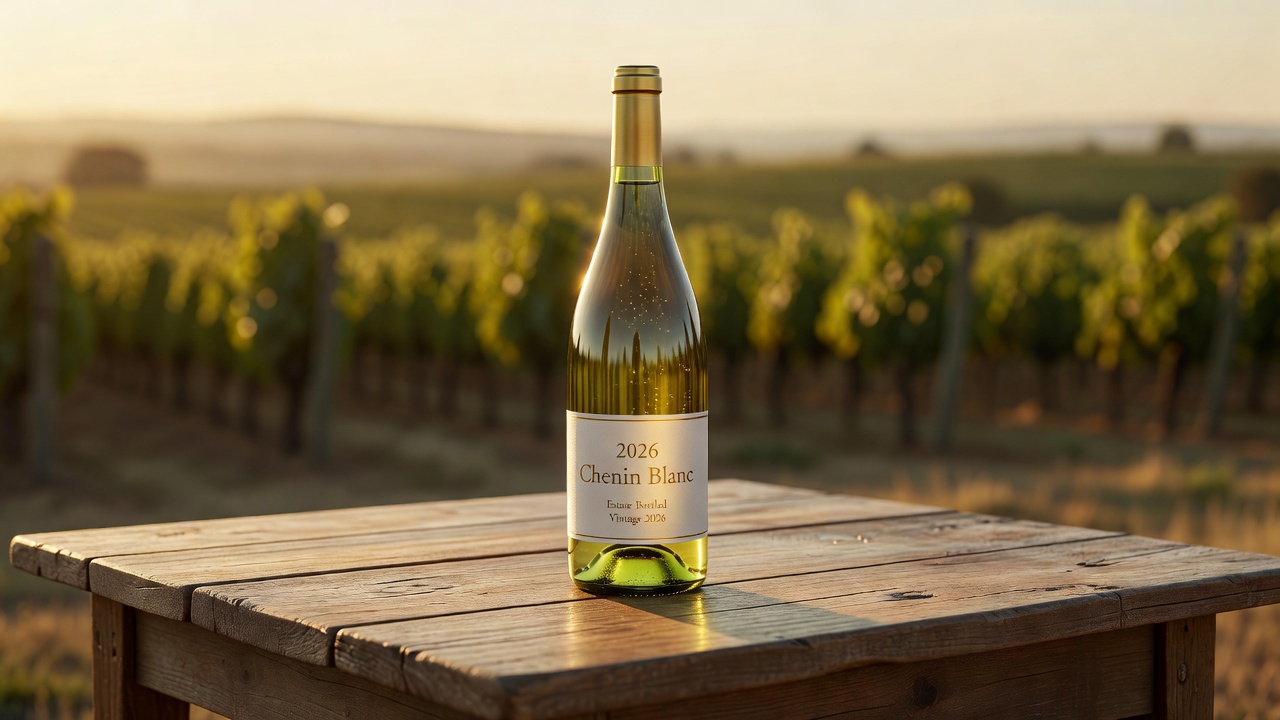
The 2026 Chenin Blanc vintage has emerged as one of the most exciting releases in recent years, celebrated for its exceptional balance of vibrant acidity, pure fruit expression, and layered mineral complexity. Wine enthusiasts searching for alternatives to mainstream grapes like Chardonnay or Sauvignon Blanc will find this vintage particularly rewarding. Chenin Blanc demonstrates remarkable versatility, producing everything from bone-dry, refreshing whites to opulent, long-lived expressions that reward cellaring. This comprehensive guide examines standout tasting notes, expert scoring methodologies, and detailed regional comparisons to help readers make informed selections.
Growing conditions in 2026 favored phenolic ripeness while preserving freshness, resulting in wines that display both immediate drinkability and strong aging potential. Key production areas include the Loire Valley in France, South Africa's Western Cape, and select California appellations. Each region contributes distinctive terroir-driven characteristics that influence aroma profiles, mouthfeel, and food-pairing versatility.
Regional Comparisons: Loire Valley, South Africa, and California
Regional differences define the character of 2026 Chenin Blanc. Understanding these nuances allows enthusiasts to match wines to personal preferences and occasions. The Loire Valley emphasizes elegance and minerality, South Africa delivers ripe fruit and texture, while California offers a harmonious blend of restraint and ripeness.
Loire Valley Expressions
Loire Valley wines from appellations such as Vouvray, Savennières, and Chinon showcase high acidity and pronounced stony minerality. Typical aromas include green apple, wet stone, honeysuckle, and subtle almond notes. The 2026 vintage produced wines with laser-like precision and excellent aging potential, often earning scores in the low to mid-90s from critics. These expressions pair seamlessly with delicate seafood and fresh cheeses due to their bright, linear structure.
South African Expressions
South African Chenin Blanc from Stellenbosch, Swartland, and Paarl regions presents riper fruit profiles with notes of pear, quince, ginger, and light spice. The 2026 growing season yielded fuller-bodied wines with plush textures and vibrant acidity. Many producers emphasize old-vine fruit, contributing depth and complexity. These wines frequently score between 89 and 93 points and offer outstanding value for everyday drinking or special meals featuring spicy or grilled dishes.
California Expressions
California's cooler coastal zones, including Santa Barbara County and Mendocino, produced 2026 Chenin Blanc with citrus zest, white peach, and delicate floral aromatics. Winemakers here often incorporate sustainable or organic practices, resulting in textured, vibrant wines that bridge Old World elegance with New World fruit. Scores commonly range from 90 to 94 points, reflecting innovation in both vineyard and cellar techniques.
Aroma Breakdowns and Flavor Evolution
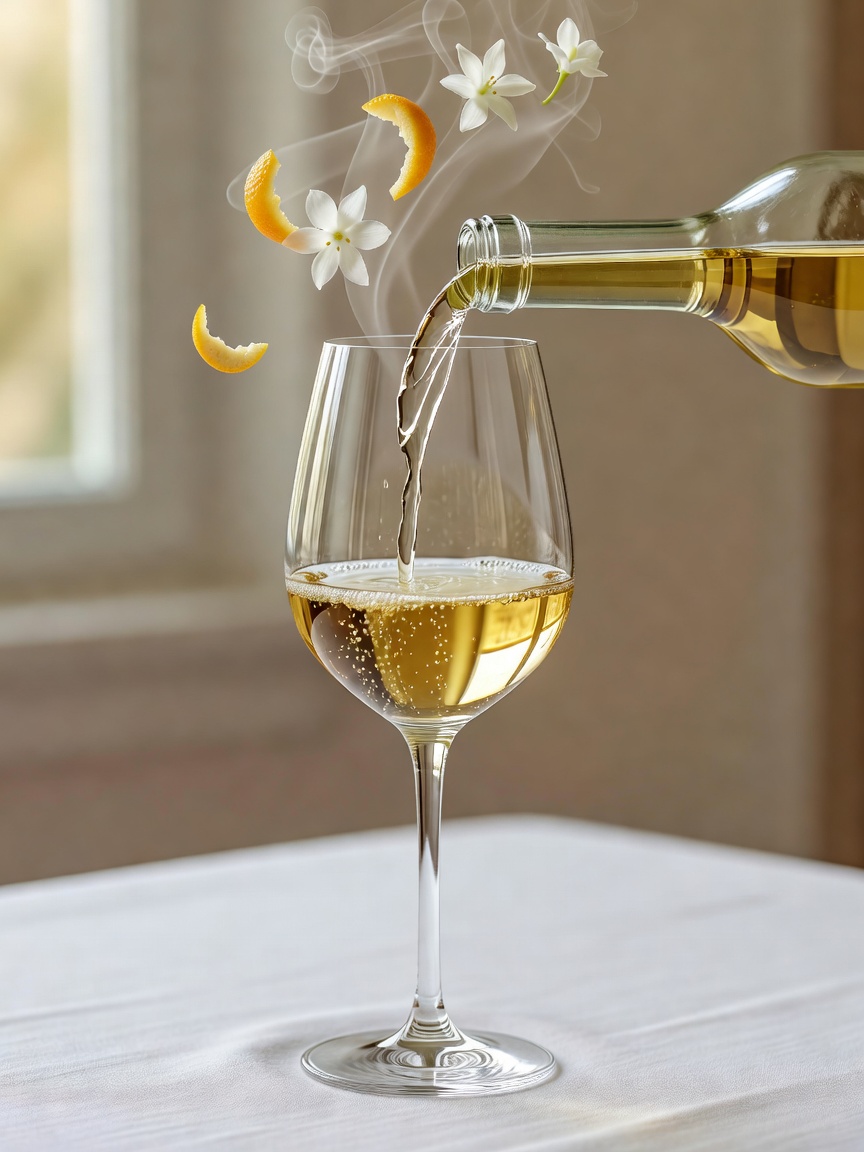
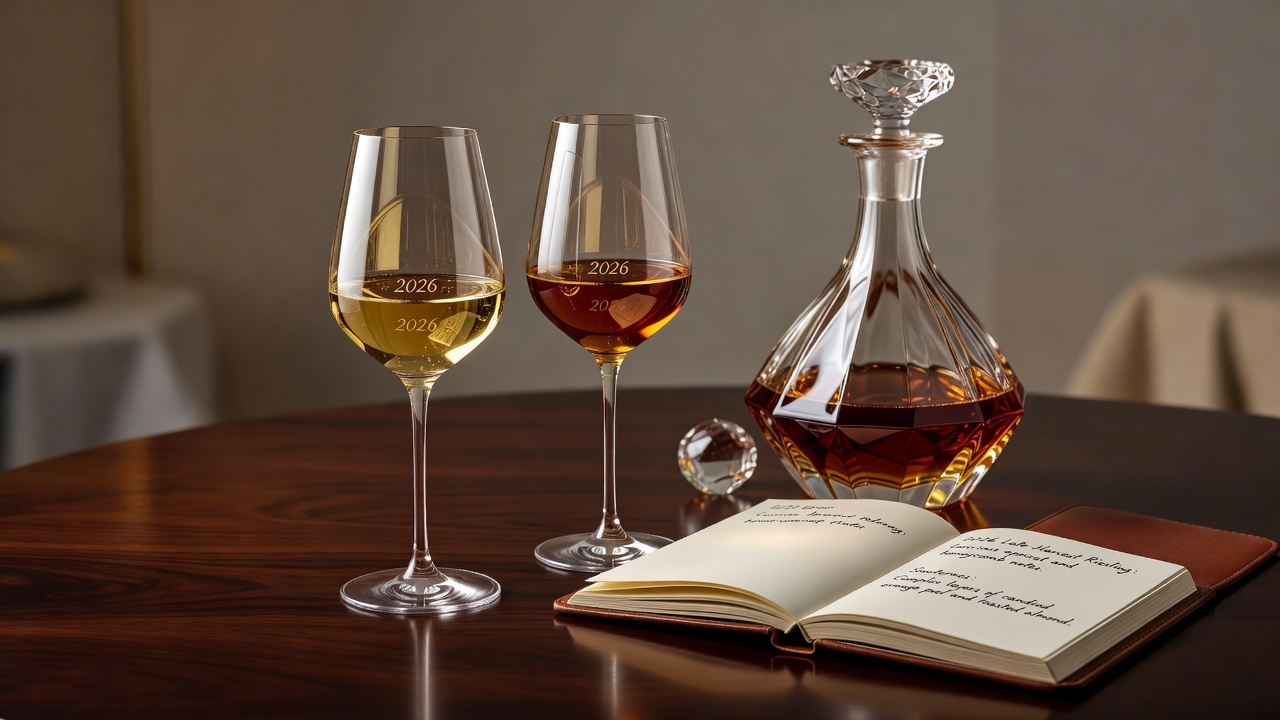
Professional tasting notes for 2026 Chenin Blanc typically progress from primary fruit aromas to secondary and tertiary layers. Primary notes feature crisp apple, lime zest, white peach, and melon. With aeration, secondary aromas of wet slate, fresh herbs, almond, and subtle spice emerge. Over time, well-cellared bottles develop tertiary characteristics such as honey, dried apricot, and toasted nuts. Winemaking choices significantly influence evolution: unoaked wines remain linear and citrus-driven, while barrel-fermented or aged examples gain creaminess and vanilla complexity without overpowering the grape's natural freshness.
How to Taste Chenin Blanc Like a Pro
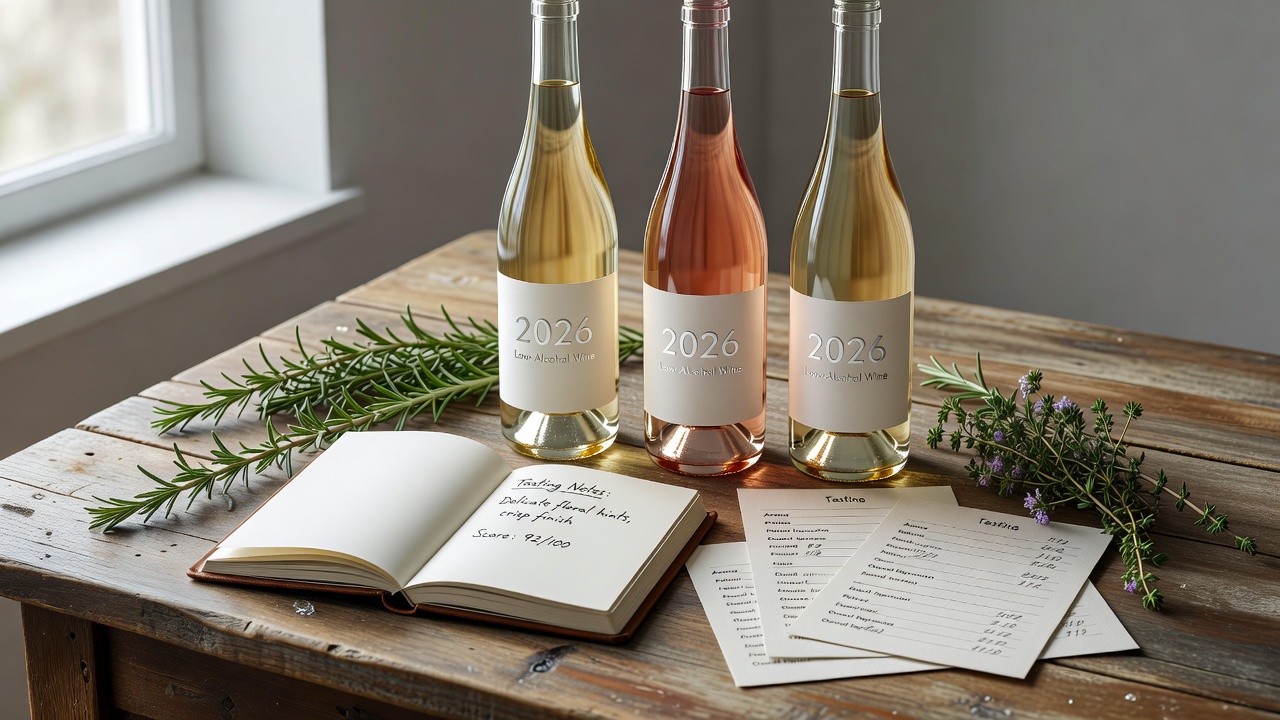
Developing pro-level tasting skills enhances appreciation of the 2026 vintage. Begin by observing color and clarity in a well-lit setting. Swirl the glass to release aromas, then take short sniffs to identify primary fruit, floral, and mineral elements. On the palate, note acidity level, body, and finish length. Repeat the process after several minutes to track how flavors evolve. Keeping a simple tasting journal helps track personal preferences across regions and producers.
Food Pairing Recommendations
Chenin Blanc's high acidity and diverse flavor spectrum make it exceptionally food-friendly. Loire Valley styles excel with goat cheese salads, oysters, and light shellfish preparations. South African expressions complement spicy curries, grilled chicken, and Asian-fusion dishes featuring ginger or lemongrass. California bottlings shine alongside sushi, roasted vegetables, and creamy pastas. Consider these practical pairings:
- Seafood with citrus-based sauces to highlight acidity
- Soft cheeses such as chèvre or triple-cream brie
- Spiced poultry or pork dishes
- Vegetable-forward plates with fresh herbs
- Lightly smoked fish or charcuterie boards
Practical Examples of Pro-Style Tasting Notes
Here are detailed examples modeled after professional reviews. A Loire Valley 2026 might read: "Pale straw color with green reflections. Intense aromas of lime zest, wet flint, and white flowers. The palate delivers crisp green apple, saline minerality, and a long, zesty finish. Score: 93 points." A South African example could note: "Medium gold hue. Aromas of ripe melon, ginger, and light toast. Medium-bodied with plush texture, balanced acidity, and a spicy, lingering finish. Score: 91 points." California wines often receive notes emphasizing floral lift and vibrant citrus: "Pale gold. White peach, orange blossom, and wet stone aromas. Crisp yet textured palate with excellent balance and a clean mineral finish. Score: 92 points."
Score Methodologies Used by Experts
Leading publications employ structured 100-point scales evaluating appearance, nose, palate, and overall balance. Decanter and Wine Spectator emphasize typicity, aging potential, and value. Scores above 90 indicate outstanding quality, while 95+ denote exceptional, age-worthy wines. Methodology also considers vintage conditions and regional benchmarks to ensure fair comparisons.
Short FAQ on Aging Potential and Buying Tips
How long can 2026 Chenin Blanc age?
Premium Loire and South African examples can develop beautifully for 8 to 15 years, gaining honeyed and nutty complexity. California versions generally reach peak drinkability within 5 to 8 years.
What should buyers look for in 2026 bottles?
Prioritize single-vineyard or old-vine selections from reputable producers. Check technical details such as alcohol levels around 12 to 13.5 percent for optimal balance. Store bottles at consistent cool temperatures away from light.
Are there value options in this vintage?
Yes, many South African and California producers deliver high-quality 2026 Chenin Blanc at accessible price points, making the vintage ideal for both collectors and everyday enthusiasts.
Mistakes to Avoid When Buying 2026 Chenin Blanc
Common pitfalls include overlooking vintage-specific acidity levels or assuming all Chenin Blanc tastes the same. Always verify regional origin and winemaking style. Avoid storing bottles in warm environments, which accelerates aging and diminishes freshness. Finally, do not rely solely on scores; personal tasting remains the best guide to enjoyment.
Conclusion
The 2026 Chenin Blanc vintage offers remarkable diversity, quality, and value across major regions. With detailed tasting notes, expert scoring insights, practical pairing ideas, and buying guidance, enthusiasts can confidently explore and appreciate this versatile grape for years to come.
No comments yet. Be the first!