 Uncorked Conversations
Introduction: Elevating Everyday Wine Moments with Sommelier Wisdom
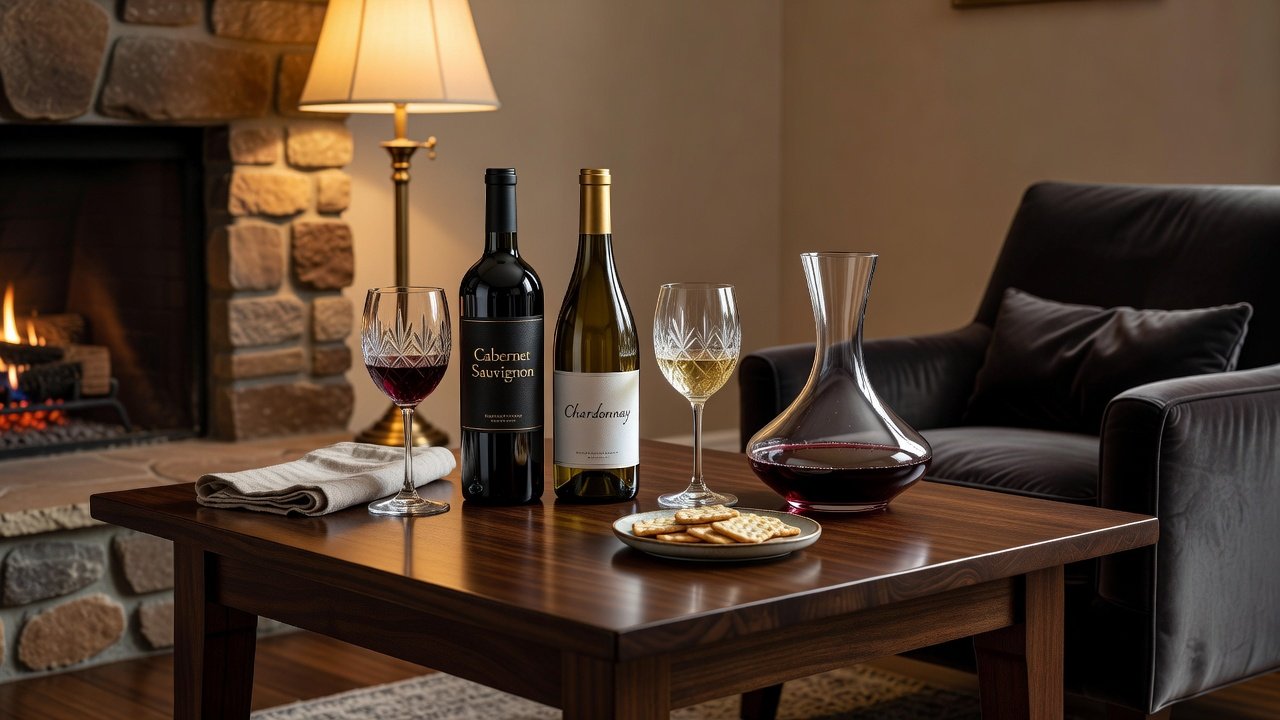
In 2026, home wine enthusiasts are increasingly turning to mindful, personalized practices that transform routine pours into meaningful rituals. Drawing from professional sommelier techniques, these custom wine rituals blend thoughtful storage, precise decanting, and intentional glass selection to heighten aroma, flavor, and overall experience. This guide provides practical frameworks tailored to varietals like Cabernet Sauvignon and Chardonnay, helping you move beyond basic serving into memorable home service that feels both professional and personal. The search for unique approaches reflects a broader desire for consistency and sensory depth rather than generic tips found in basic guides.
Whether you enjoy a quiet evening glass or host friends, integrating sommelier principles creates consistency while allowing creativity. These approaches emphasize presence and sensory awareness, aligning with current trends in mindful consumption. By treating wine service as a ritual rather than a task, you foster deeper appreciation and repeatable quality in every bottle opened at home.
Core Sommelier Principles Adapted for Home Use
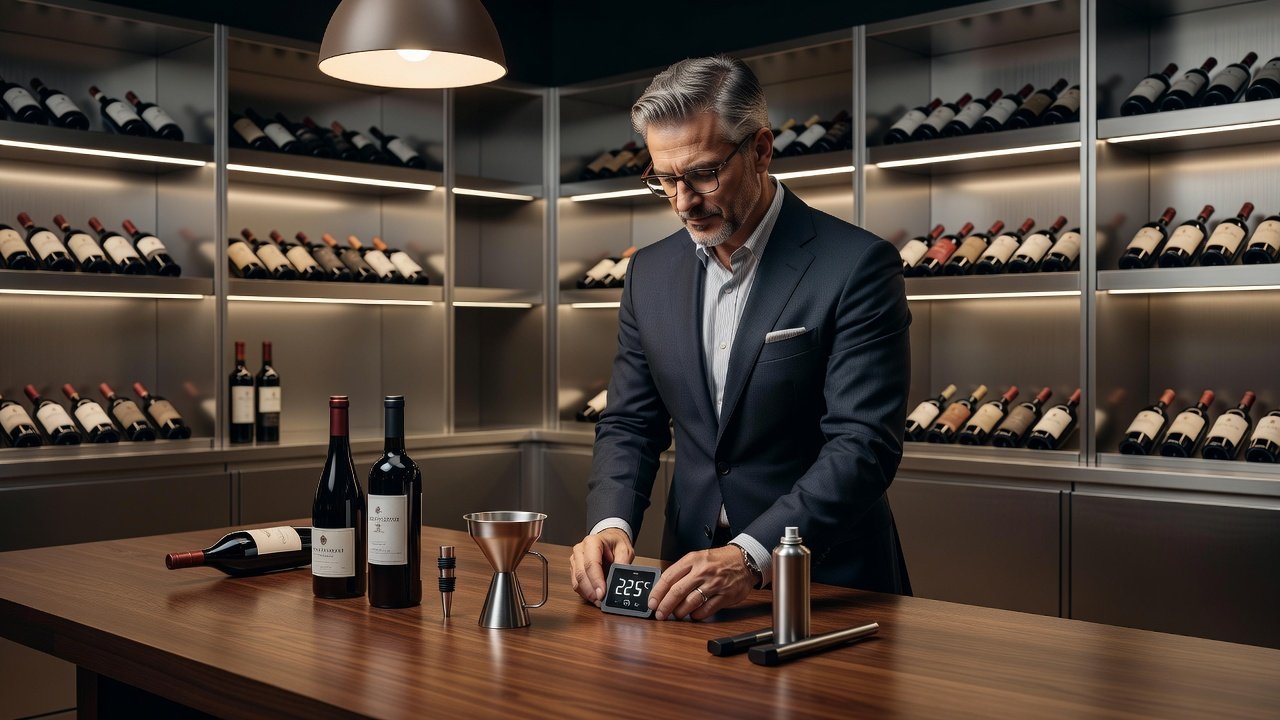
Professional sommeliers focus on preserving wine integrity from cellar to glass. At home, this means considering temperature stability, light exposure, and humidity levels carefully. Store bottles horizontally in a cool, dark space between 55-65°F to maintain cork moisture and prevent oxidation. Avoid areas near kitchens or windows where temperature fluctuations occur frequently throughout the day or night. Humidity around 60-70 percent helps prevent corks from drying out, which is especially important for long-term collections kept in apartments or smaller residences.
Subtle decanting enhances older reds by separating sediment and aerating younger wines for better expression of their full potential. Glass selection matters equally: use larger bowls for reds to allow oxygen interaction and narrower openings for whites to concentrate delicate aromas without rapid evaporation. These foundational elements form the backbone of any effective home ritual and can be scaled to fit different living situations without requiring expensive equipment.
Building Step-by-Step Ritual Frameworks
Develop a repeatable sequence that fits your schedule and lifestyle. A basic evening ritual might include selecting the bottle 30 minutes prior, preparing the proper glassware by polishing it lightly, performing a gentle decant if needed, and pausing for a mindful aroma assessment before serving. Documenting each step in a simple notebook allows refinement over time and helps identify what works best for your palate and environment.
Consider timing elements such as opening the bottle at a consistent hour or pairing the ritual with a short breathing exercise to enhance focus. This structure turns the process into something meditative rather than mechanical. Adapt the framework seasonally by adjusting temperatures or adding elements like a small cheese pairing during cooler months.
For Cabernet Sauvignon
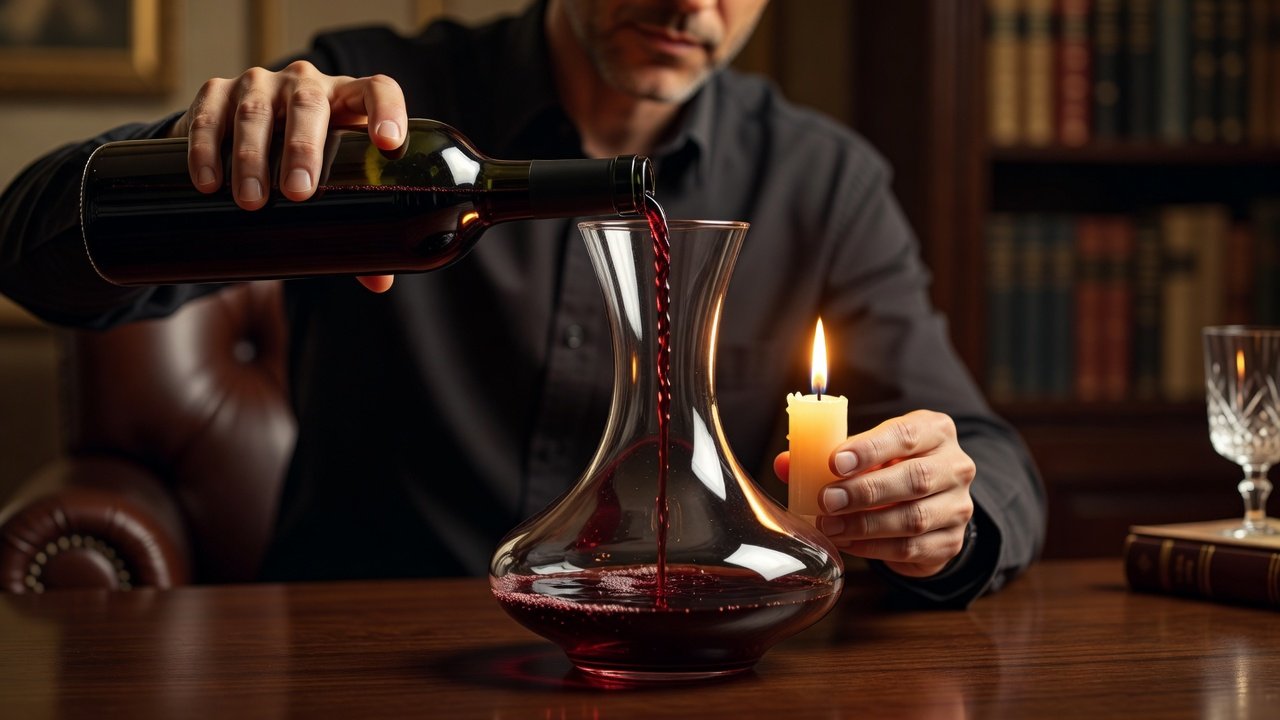
Cabernet benefits from 45-60 minutes of decanting to soften tannins and release complex layers. Start by checking the label for vintage details and vineyard origin, then use a wide decanter with a narrow neck to control the pour. Pour slowly while holding a light behind the bottle neck to watch for sediment settling at the shoulder. Pair this with large Bordeaux-style glasses that showcase dark fruit and cedar notes effectively. The ritual deepens blackcurrant and tobacco aromas through controlled aeration, and many enthusiasts notice improved integration of oak and fruit after the full decanting period. Experiment with double decanting for particularly tannic young vintages to accelerate the softening process.
For Chardonnay
Chardonnay rituals focus on temperature precision and minimal handling to preserve freshness. Chill the bottle to 50-55°F using an ice bucket or dedicated sleeve for 20 minutes, then serve in a medium-sized white wine glass with a slight taper to direct aromas toward the nose. Skip decanting unless it is an oaked, full-bodied style needing brief breathing of 10-15 minutes. Emphasize swirling gently to release buttery and citrus layers without over-oxidizing the wine. For unoaked versions, keep the ritual even simpler by focusing solely on chilling and immediate serving to highlight crisp acidity and tropical fruit notes.
Comparing Ritual Impacts on Aroma and Taste
Side-by-side tastings reveal clear differences that justify the extra steps. A Cabernet served straight from the bottle often presents tighter tannins and muted fruit compared to one decanted for an hour, which opens with brighter blackberry, plum, and smoother mouthfeel. The aromatic bouquet expands noticeably, moving from closed to vibrant within the ritual timeframe. Chardonnay without proper chilling can taste flabby and one-dimensional, while a chilled pour maintains vibrant acidity, subtle oak integration, and lingering finish. These comparisons highlight how small ritual adjustments dramatically improve sensory outcomes and make each tasting more memorable.
Further testing across multiple evenings shows that consistent glass temperature also influences perception, with room-temperature glasses muting delicate white wine aromas compared to pre-chilled ones. Keeping a tasting log helps quantify these improvements over weeks or months.
Practical Home Adaptations and Mindful Trends
Adapt rituals to small spaces by using a dedicated wine fridge or insulated sleeves for temperature control without needing a full cellar. Incorporate journaling to track preferences across sessions, fostering deeper appreciation and personal growth in tasting skills. Current 2026 trends favor sustainable elements such as reusable glass markers and low-waste decanting tools that align with eco-conscious living and reduce single-use plastics. Mindful practices encourage slowing down during the ritual to notice subtle changes in aroma over several minutes.
Guest engagement improves when rituals are shared: invite friends to participate in glass selection or note-taking during tastings. This turns service into an interactive experience rather than a solo performance and often leads to richer conversations about flavor profiles. For apartment dwellers, portable wine racks and compact decanters make these adaptations feasible without major renovations.
Common Mistakes to Avoid in Home Rituals
Many enthusiasts rush the decanting process or use the wrong glass shape, which can mute intended aromas. Over-chilling whites risks dulling flavors, while ignoring sediment in older reds leads to gritty textures. Another frequent error is inconsistent timing, which breaks the ritual's meditative quality. Start with simple versions and build complexity gradually to avoid overwhelm.
Frequently Asked Questions
- How do I maintain ritual consistency with a busy schedule? Prepare elements the night before, such as selecting glasses and chilling whites, to keep the process seamless even on weekdays.
- Can these rituals work with budget wines? Absolutely. Sommelier techniques enhance any quality level by optimizing serving conditions and sensory focus.
- What if guests have different preferences? Offer a choice of two glasses or decanting options so everyone participates comfortably and feels included.
- How often should I adjust my ritual? Review notes monthly and tweak based on seasonal wines or new varietals discovered through exploration.
- Do I need special tools to start? Basic items like a standard decanter, thermometer, and proper glasses suffice; upgrade only when specific needs arise.
- How can I involve family members in the ritual? Assign simple roles such as glass polishing or aroma note-sharing to make it inclusive and educational.
Conclusion: Making Every Pour Intentional
Custom wine rituals rooted in sommelier principles turn ordinary bottles into extraordinary experiences. By thoughtfully integrating storage, decanting, and glassware choices, you create repeatable moments of enjoyment that honor both the wine and your personal style. Start small, refine consistently, and discover how these home adaptations elevate your connection to every glass. For further professional insights, explore resources at Decanter, Wine Enthusiast, and Wine Institute.

No comments yet. Be the first!