 Uncorked Conversations
Introduction to Wine Trends in 2026
As a wine beginner, staying current with emerging trends can feel exciting rather than overwhelming. In 2026, the wine world emphasizes accessibility, sustainability, and personalization. This guide breaks down key movements like low-alcohol and no-alcohol options, orange wines, regenerative farming, and tech-driven tools. Each section offers simple explanations, reasons these appeal to newcomers, and practical ways to try them at home. These trends reflect broader consumer shifts toward mindful drinking and environmental awareness. Beginners benefit because many options are approachable, versatile with food, and available at various price points without requiring expert knowledge. Understanding these developments helps new enthusiasts feel informed and confident when selecting bottles or discussing wine with friends.
Forward-looking search intent shows that beginners want to engage with wine in ways that align with modern values like health consciousness and eco-responsibility. Rather than diving straight into complex vintages, starting with trend-focused selections allows gradual learning. This article provides concrete examples, step-by-step experiments, and comparisons to traditional styles so readers can build knowledge progressively.
Low-Alcohol and No-Alcohol Wines: A Gentle Introduction
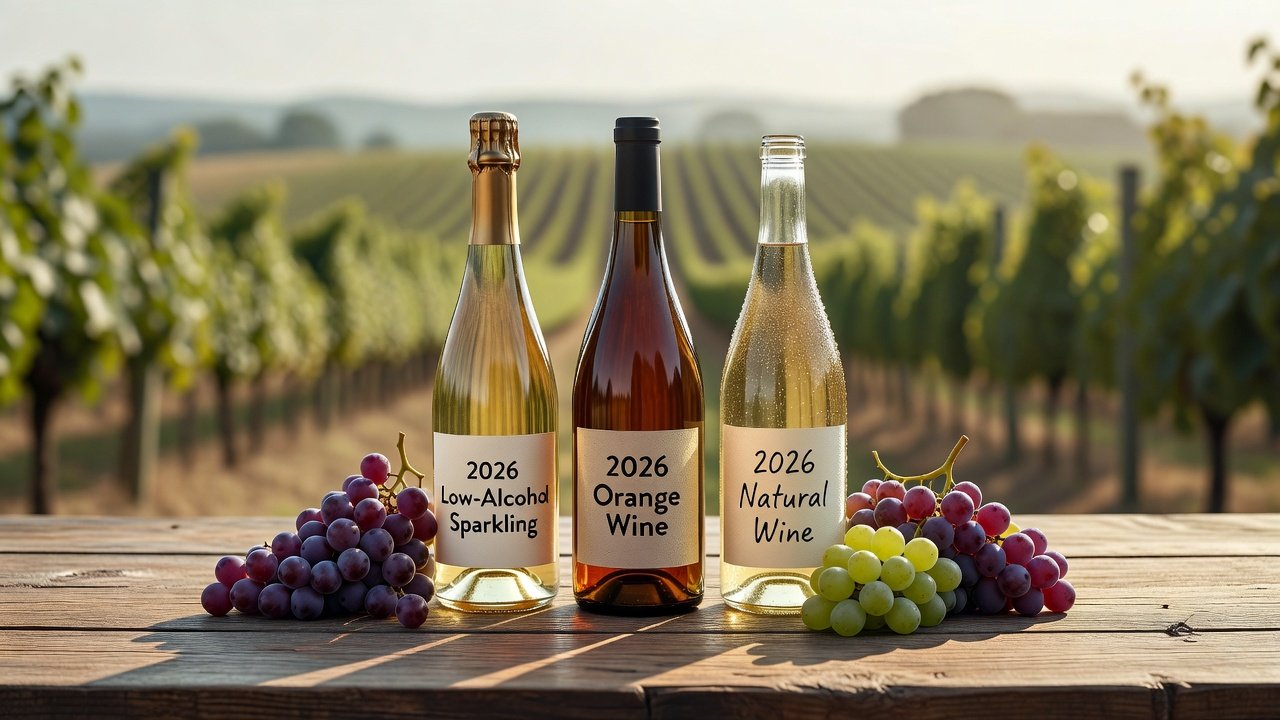
Low-alcohol wines typically range from 5-9% ABV, while no-alcohol versions contain under 0.5%. These appeal to beginners who want to enjoy wine's flavors without the full effects of alcohol, making them ideal for daytime tastings or social events. Producers achieve lower alcohol through early harvest techniques or gentle dealcoholization processes that preserve aromatic compounds. Why they matter for new drinkers: They reduce intimidation around alcohol content and often pair well with lighter meals such as salads, seafood, or brunch dishes. Compared to traditional wines (12-15% ABV), they offer crisper profiles that highlight fruit notes like citrus, green apple, and stone fruit without heavy mouthfeel.
Easy entry points include exploring brands that focus on dealcoholized processes preserving taste. Step-by-step at home: Start with a sparkling low-alcohol option chilled to 8°C, taste alongside fresh fruits, then compare to a standard version to note differences in body and finish. Consider hosting a small tasting where you sample three low-alcohol wines from different regions to identify personal preferences. These wines also support moderation goals, allowing enjoyment across multiple glasses without fatigue.
Orange Wines: Embracing Skin-Contact Innovation
Orange wines result from white grapes fermented with their skins, creating amber hues and tannic textures. This ancient method revived in modern times offers complex flavors like dried apricot, hazelnut, herbal notes, and subtle spice. The skin contact period can last from several days to months, extracting color, tannins, and polyphenols that give the wine its distinctive character. Beginners find them intriguing because they bridge white and red wine characteristics without heavy tannins. They stand out from conventional whites by delivering more structure and versatility with spicy or vegetable dishes such as curries, roasted root vegetables, or aged cheeses.
Affordable starters: Look for bottles from Slovenia or Italy's Friuli region. Experiment at home by serving slightly chilled with cheese boards—note how the skin contact adds depth compared to standard whites. Try pairing an orange wine with grilled vegetables to experience how the tannins interact with smoky flavors. This style encourages exploration beyond supermarket staples and introduces concepts like oxidative winemaking in an approachable format.
Decanter provides ongoing insights into these styles for curious newcomers.
Regenerative Farming Practices in Wine
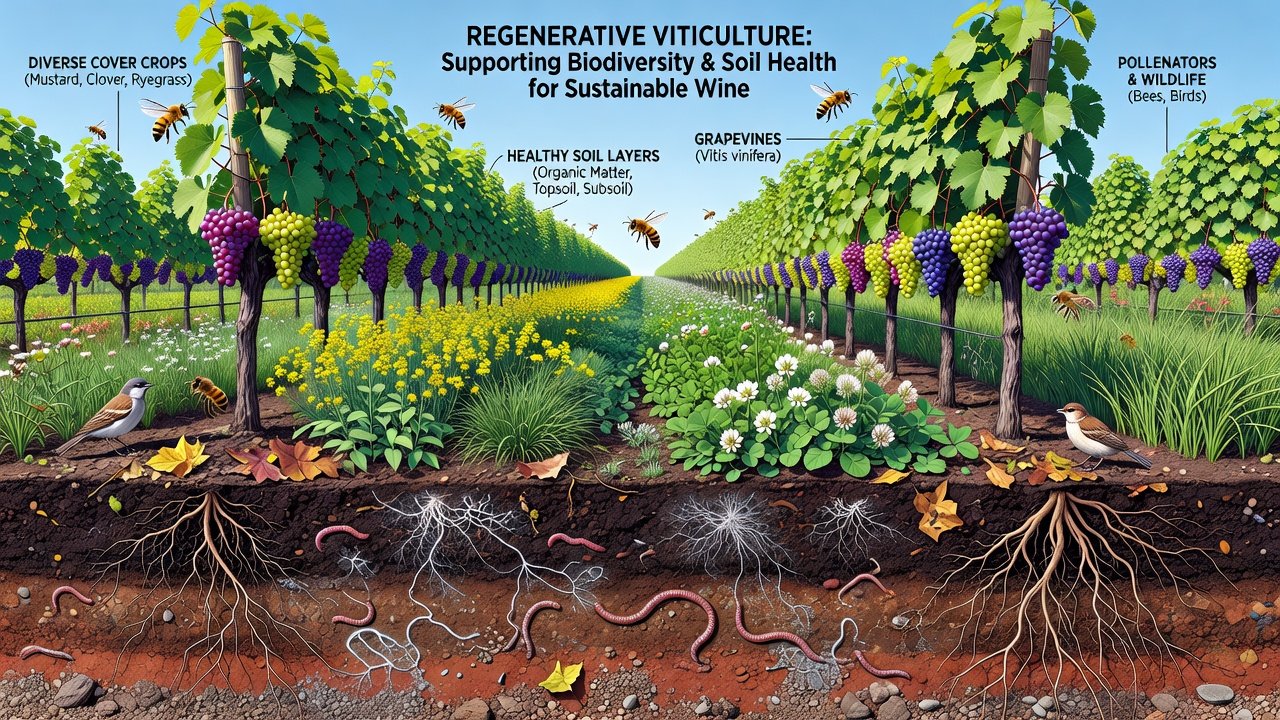
Regenerative farming goes beyond organic methods by actively improving soil health, biodiversity, and water retention through cover crops, reduced tillage, and integrated livestock grazing. Vineyards adopting this approach produce grapes that reflect vibrant, terroir-driven flavors with enhanced minerality and freshness. Soil microbiomes are restored, leading to vines that are more resilient to climate stresses. For beginners, these wines connect drinking to positive environmental impact, often with fresher acidity and purity. They differ from conventional wines by avoiding synthetic inputs, leading to more nuanced expressions that showcase the unique character of each vineyard site.
Step-by-step experimentation: Visit a local shop for a regenerative-labeled bottle, research the producer's practices online, then host a blind tasting comparing it to a standard wine from the same grape. Observe how soil health influences aroma and mouthfeel. Many regenerative producers also emphasize transparency, sharing details about their carbon sequestration efforts. This trend aligns with growing interest in ethical consumption and offers beginners a meaningful way to support sustainable agriculture while enjoying high-quality wine.
Tech-Driven Personalization Tools
Apps and AI platforms now recommend wines based on your taste preferences, past purchases, and even mood inputs. These tools analyze data to suggest bottles tailored for beginners, using algorithms that factor in flavor profiles, acidity levels, and food pairings. They appeal by removing guesswork, helping users discover hidden gems without store overwhelm. Unlike traditional sommelier advice, these are instant and scalable, often incorporating user reviews and global tasting data. Practical steps: Download a reputable wine app, input favorite flavors like citrus or berry, and receive curated lists. Compare recommendations to in-store finds for a personalized learning experience. Over time, these platforms help track evolving preferences and introduce new regions or styles you might otherwise overlook.
Building a Beginner Tasting Kit for 2026 Trends
To experiment effectively, assemble a simple kit including a few key bottles representing each trend, tasting glasses, a notebook, and palate cleansers like plain crackers. Numbered steps include: 1) Select one low-alcohol, one orange, and one regenerative wine. 2) Chill appropriately and taste in sequence from lightest to most structured. 3) Record impressions of aroma, taste, and finish. 4) Pair with simple foods to test versatility. This structured approach turns casual sipping into educational sessions.
Comparisons to Traditional Wine Styles
Traditional wines prioritize consistency and power, while 2026 trends favor lightness and ethics. Low-alcohol versions feel refreshing versus full-bodied reds; orange wines add texture missing in many modern whites. Regenerative options often taste more alive than industrially farmed ones. Tech tools accelerate discovery compared to relying solely on labels. These differences make new trends especially suitable for beginners seeking variety without commitment to heavy or expensive bottles.
Common Mistakes to Avoid
- Overlooking serving temperatures—always chill lighter styles properly to 7-10°C for optimal enjoyment.
- Ignoring food pairings that enhance new wine styles; experiment with both complementary and contrasting dishes.
- Assuming all natural wines taste the same; try a range first to appreciate diversity in production methods.
- Skipping research on producer practices when selecting regenerative bottles, as labels can vary in meaning.
FAQ
Are these trends suitable for complete beginners?
Yes, they are designed to be approachable with lower barriers than classic styles, offering entry points that emphasize enjoyment over expertise.
Where can I find affordable options?
Specialty retailers and online platforms stock entry-level examples from emerging regions, often under standard pricing for similar quality levels.
How do regenerative wines differ in taste?
They often show brighter fruit and mineral notes due to healthier soils, resulting in greater vibrancy and complexity.
Can tech apps replace traditional learning?
They complement it by providing data-driven suggestions while hands-on tasting builds deeper sensory skills.
What foods pair best with orange wines?
Think bold flavors like Asian cuisine, roasted meats, or pungent cheeses that stand up to the wine's natural tannins.
Conclusion
Embracing these 2026 trends positions beginners to enjoy wine thoughtfully and sustainably. Start small with one category, experiment consistently, and use tools to refine preferences. The future of wine is inclusive—dive in and discover what resonates through regular practice and exploration.

No comments yet. Be the first!