 Uncorked Conversations
Unlocking the World of Wine: A Beginner's Guide to Tasting
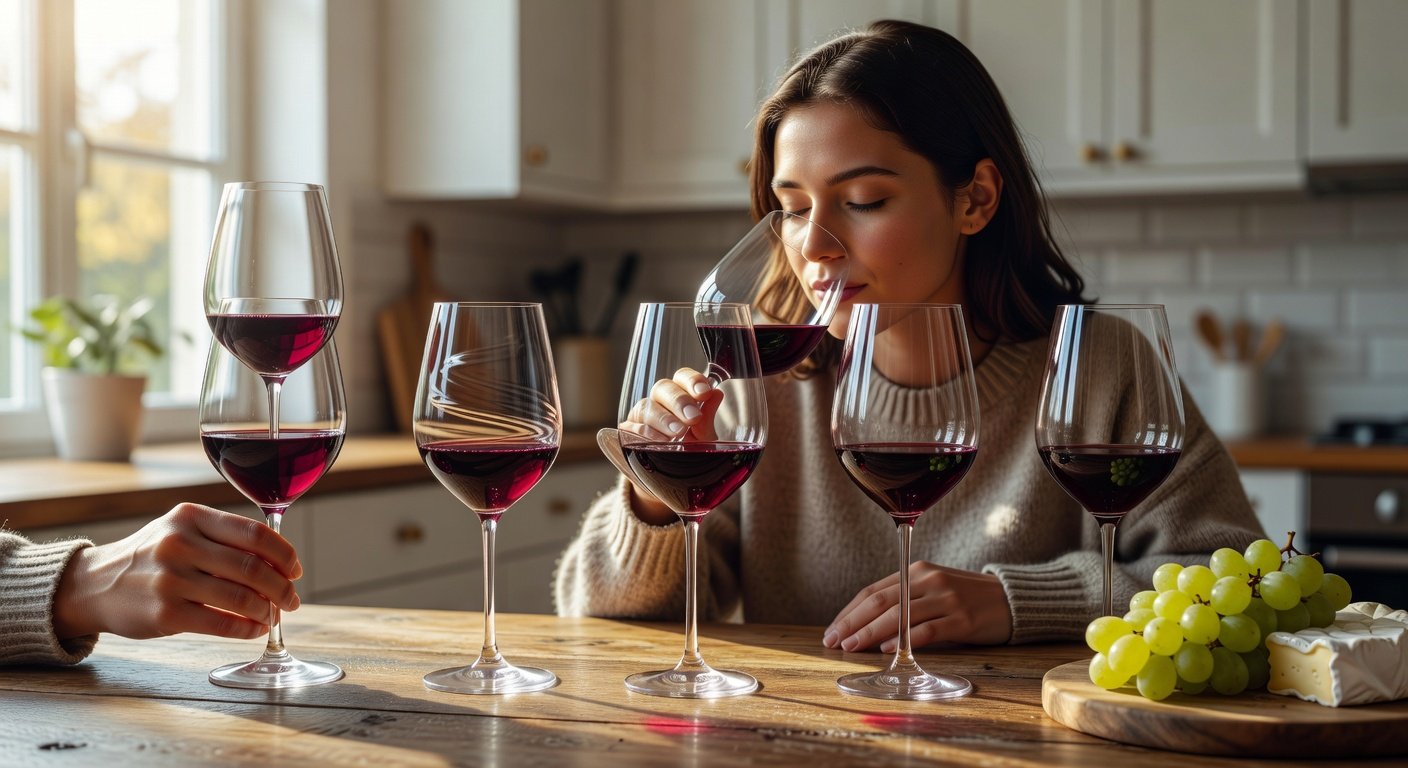
Stepping into wine tasting can feel intimidating, but it's simpler than you think. Whether you're hosting a casual gathering or enjoying a solo evening, mastering the five S's—see, swirl, sniff, sip, and savor—will transform you from novice to confident taster. This guide breaks it down step-by-step, covers essential tools, avoids common pitfalls, suggests easy food pairings, and includes a home tasting checklist plus beginner-friendly 2026 wine picks. Let's pour in!
The Five S's of Wine Tasting: Your Step-by-Step Roadmap
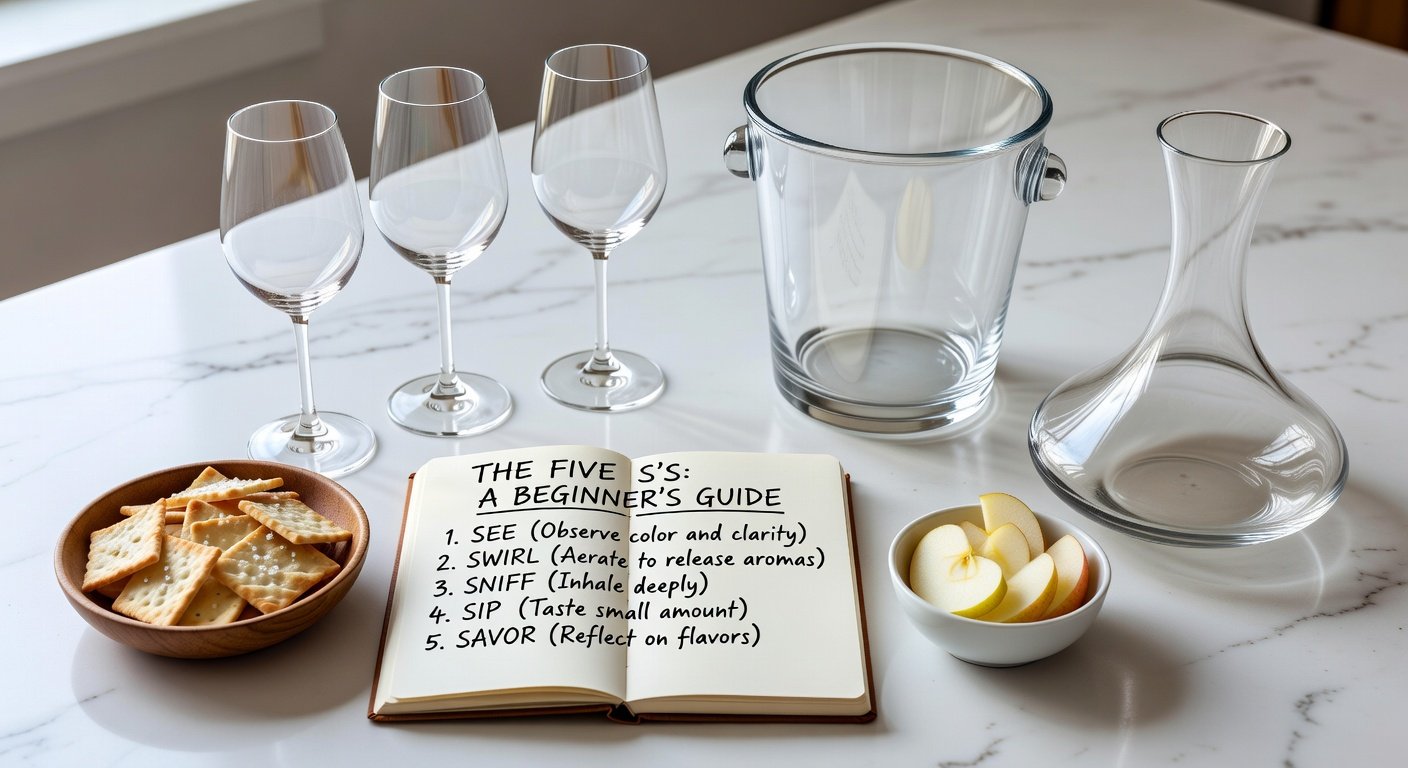
The five S's method is a proven, sensory approach used by sommeliers worldwide. It engages all your senses systematically, helping you appreciate wine's nuances without overwhelm. Follow these steps every time you taste.
1. See: Observe the Color and Clarity
Hold your glass at a 45-degree angle against a white background, like a napkin or paper. What do you notice?
- Color intensity: Pale yellow for young whites, deep garnet for aged reds.
- Clarity: Clear and bright? Good. Cloudy might indicate sediment or spoilage.
- Viscosity: Look at the 'legs' or tears running down the glass later—they hint at alcohol and sugar levels.
This visual step sets expectations: a straw-colored Sauvignon Blanc suggests crispness, while a ruby Cabernet promises boldness.
2. Swirl: Aerate and Release Aromas
Gently swirl the wine in the glass to oxygenate it. This mimics aging in the bottle, unlocking hidden aromas. Tilt the glass base on a table and rotate in small circles. Don't worry about looking fancy—practice makes perfect.
- Beginners tip: Start with a quarter-filled glass to avoid spills.
- Pro insight: Swirling increases surface area, evaporating volatile compounds for better sniffing.
3. Sniff: Dive into the Aromas
Stick your nose in the glass's 'bell' (widest part) and inhale deeply. No sipping yet! Categorize scents:
- Primary aromas: Fruit-driven, like citrus in Riesling or blackberry in Merlot—from the grape variety.
- Secondary: Fermentation notes, such as yeast or butter in Chardonnay.
- Tertiary: Oak, leather, or earth from aging.
Take short sniffs to avoid 'nose fatigue.' Jot notes: 'Tropical pineapple and vanilla' builds your tasting vocabulary.
4. Sip: Taste the Flavors
Take a small sip (about a tablespoon), letting it coat your mouth. Pursed lips help draw in air, enhancing flavors through retro-nasal olfaction.
- Front palate: Sweetness and fruit.
- Mid-palate: Acidity, tannins (grippy in reds), alcohol warmth.
- Finish: How long do flavors linger? Short for light wines, eternal for premium ones.
Common flavors: tart green apple in Pinot Grigio, juicy plum in Zinfandel.
5. Savor: Reflect and Spit (If Needed)
Swallow or discreetly spit into a dump bucket (more on tools below). Reflect: What balanced the wine? Acid cuts richness; tannins need food. Rate it mentally: love, like, meh?
Repeat the cycle 2-3 times per wine to deepen insights.
Essential Tools for Home Wine Tasting
You don't need a cellar's worth of gear. Start simple:
- Glasses: Tulip-shaped ISO tasting glasses (or any stemmed wine glass) concentrate aromas. One per wine type: larger for reds, smaller for whites.
- Spatula or dump bucket: For spitting during tastings.
- Notebook and pen: Track impressions.
- Palette cleansers: Water, plain crackers, or apple slices between wines.
- Decanter (optional): For young reds to soften tannins.
Budget sets under $50 exist online—invest in glasses first for the biggest impact.
Common Beginner Pitfalls and How to Avoid Them
Steer clear of these traps to elevate your experience:
- Overfilling glasses: Leaves no room to swirl. Rule: one-third full.
- Ignoring temperature: Whites too warm taste flabby; reds too cold hide fruit. Chill whites 45-55°F, serve reds 55-65°F.
- Judging too quickly: Give wine time post-swirl/sip for evolution.
- Swallowing everything: Leads to palate fatigue. Spit at first tastings.
- Pairing mismatches: Acidic wines need fatty foods—more below.
Simple Food Pairings to Boost Confidence
Food amplifies wine. Start with these foolproof matches:
- Crisp whites (Sauvignon Blanc): Goat cheese, oysters, salads.
- Light reds (Pinot Noir): Salmon, mushrooms, duck.
- Bold reds (Cabernet Sauvignon): Steak, dark chocolate, BBQ.
- Sparkling: Fried foods, popcorn—anything crispy.
Golden rule: Match weight (light wine + light food) and contrast acidity with fat.
Your Home Wine Tasting Checklist
Print this for your next session:
- Gather 3-5 wines (variety: one white, red, rosé/sparkling).
- Prep tools and space: dim lights, white tablecloth for 'see' step.
- Chill appropriately; open 30 mins early for reds.
- Pour, five S's each wine.
- Cleanse palate between.
- Note favorites and why.
- Pair with snacks.
Invite friends for fun—tasting is social!
2026 Beginner-Friendly Wine Recommendations
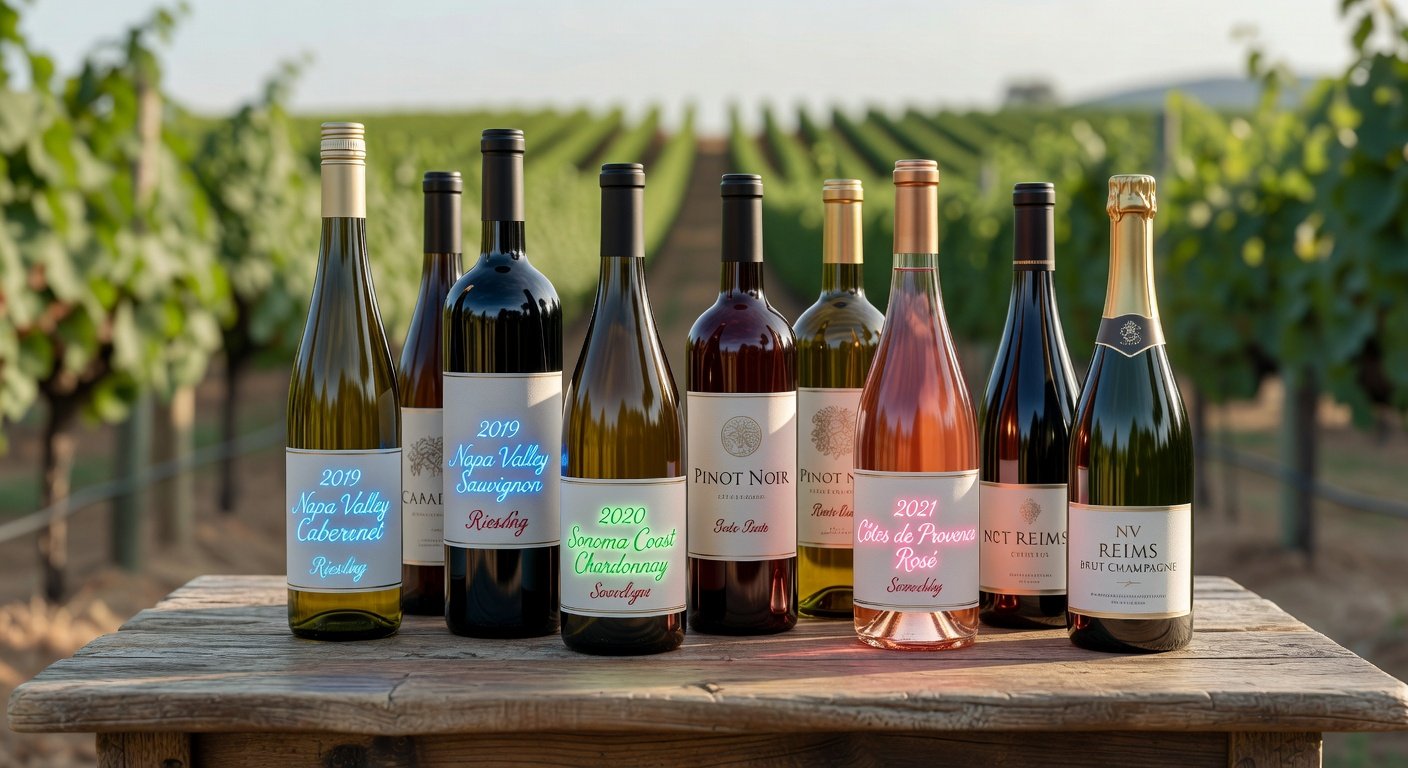
Looking ahead, these accessible 2026 releases shine for novices. Prices ~$15-30:
- White: New Zealand Sauvignon Blanc 2026 (Craggy Range): Vibrant lime, grass—perfect 'sniff' trainer.
- Rosé: Provence Rosé 2026 (Château d'Esclans Whispering Angel): Strawberry, crisp—easy sipper.
- Red: California Pinot Noir 2026 (La Crema): Cherry, silky tannins—forgiving for beginners.
- Bold Red: Australian Shiraz 2026 (Yellow Tail Reserve): Blackberry, spice—food-friendly powerhouse.
- Sparkling: Italian Prosecco 2026 (Mionetto): Pear, bubbles—celebratory intro.
Source from local shops or apps like Vivino for ratings.
Build Confidence One Glass at a Time
With the five S's, you're equipped to explore wine joyfully. Practice weekly, join a tasting group, or visit a winery. Soon, you'll discern vintages effortlessly. Cheers to your wine journey—what's your first tasting wine? Share in comments!
No comments yet. Be the first!