 Uncorked Conversations
Introduction: The Art of Turning Tastings into Timeless Tales
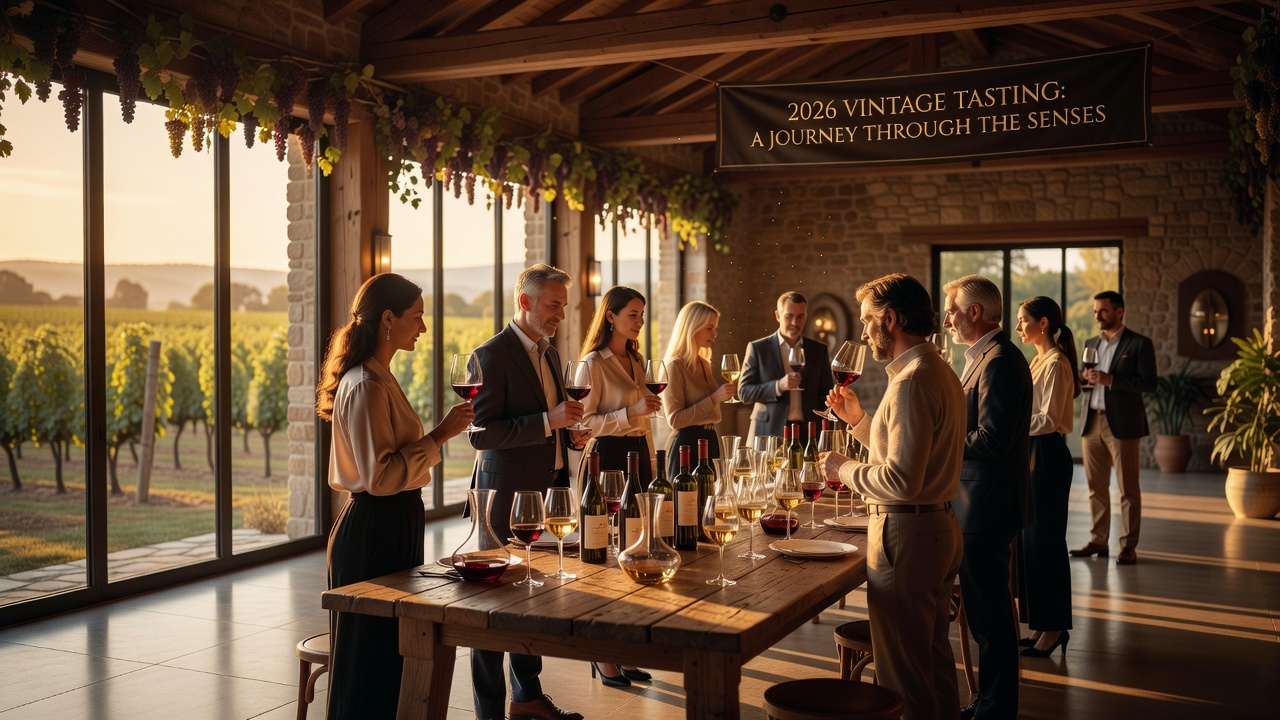
In 2026, wine enthusiasts crave more than facts—they seek immersive experiences that weave personal narratives with historical depth. Sensory journeys elevate standard tastings into legends by blending aroma, flavor, texture, and emotion into shareable stories. This approach resonates with searchers looking for creative, interactive wine content that goes beyond traditional history lessons. Rather than reciting grape varieties and vintage years, hosts now guide participants through layered sensory exercises that evoke memories, cultural contexts, and even fictional narratives inspired by the wine itself. The result is a lasting legend that guests carry forward, retelling at future gatherings and online communities.
Modern winemakers and hosts now focus on multisensory engagement to create memorable events. By integrating storytelling, participants connect deeply with each pour, fostering communities around shared experiences. This shift reflects broader cultural movements toward experiential learning and emotional connection in leisure activities, making wine tastings a powerful medium for personal and collective storytelling.
The Evolution of Wine Tastings in 2026
Wine tastings have shifted from formal lectures to interactive sensory adventures. Technology like augmented reality apps enhances visuals of vineyard origins, while emphasis on mindfulness encourages guests to savor each note mindfully. This evolution aligns with broader trends in experiential travel and wellness, making tastings a form of cultural storytelling. In recent years, post-pandemic preferences have favored intimate, narrative-driven events over large-scale tastings, with many venues incorporating elements like soundscapes or guided meditations to amplify flavor perception. Professionals in the industry report that these methods increase participant retention of tasting notes by encouraging emotional anchoring rather than rote memorization.
Furthermore, sustainability plays a growing role, as hosts highlight eco-friendly practices through stories of regenerative farming that tie directly into the wine's flavor profile. This creates legends rooted in responsibility and innovation, appealing to a new generation of conscious consumers.
Step-by-Step Guide to Hosting Immersive Tastings
Creating legendary tastings requires thoughtful planning. Follow these steps for success:
- Curate Your Selection: Choose 4-6 wines with contrasting profiles to spark discussion. Consider mixing old-world and new-world examples to highlight cultural differences in winemaking traditions. For instance, pair a structured Bordeaux with a bold Australian shiraz to illustrate how climate influences legend-building narratives.
- Set the Sensory Scene: Use dim lighting, curated playlists, and tactile elements like textured linens to heighten engagement. Incorporate subtle scents such as dried herbs or wood chips that echo the wines being tasted, creating a multi-layered atmosphere that primes the palate before the first sip.
- Incorporate Storytelling Prompts: Encourage guests to link flavors to personal memories or historical anecdotes. Provide simple cards with questions like "What childhood moment does this aroma recall?" to guide the process without overwhelming participants.
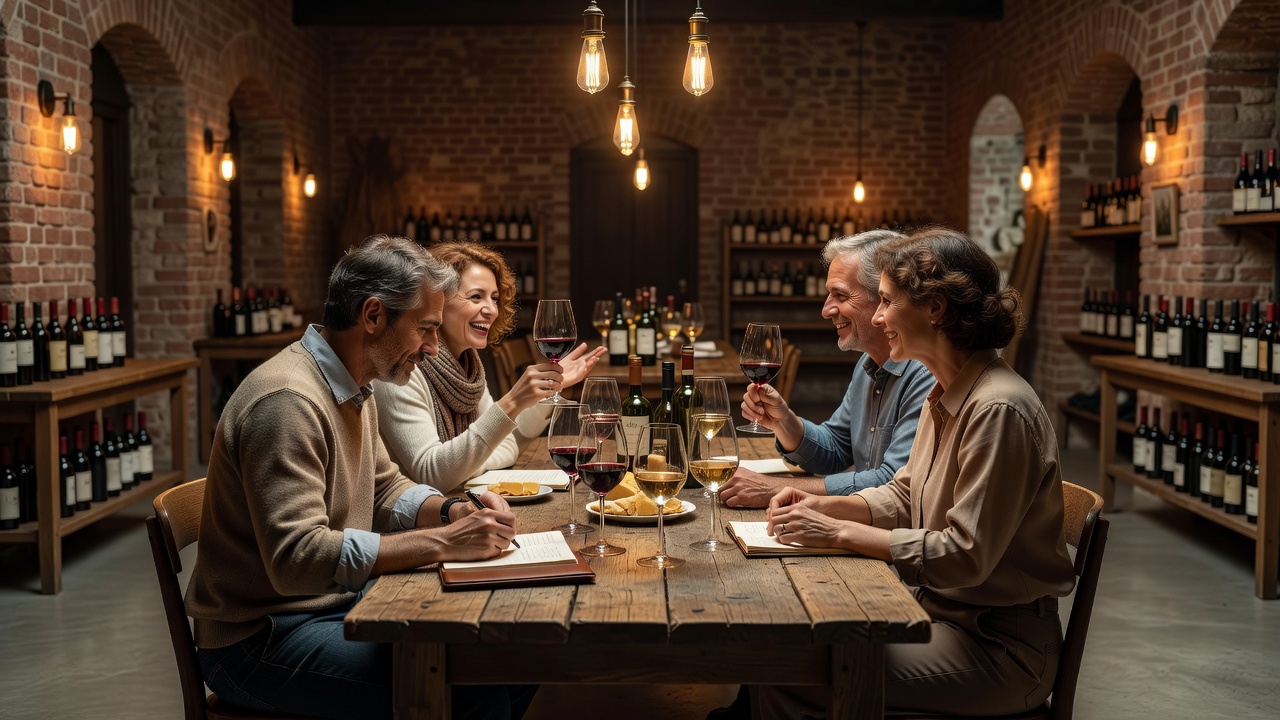
- Facilitate Group Sharing: Rotate small groups for collaborative note-building. This fosters organic conversations where one person's observation sparks another's, turning individual experiences into collective legends.
- Document and Share: Capture moments for social media to extend the legend. Use dedicated hashtags or private group chats where attendees continue the storytelling long after the event ends.
This structure ensures every attendee leaves with vivid recollections that they refine and share over time.
Regional Flavor Profiles That Spark Legends
Different regions inspire unique legends through their terroir. Compare these examples:
- Bordeaux, France: Earthy tannins and blackcurrant notes often evoke tales of medieval chateaus and royal intrigue, perfect for hosts aiming to blend history with sensory detail.
- Marlborough, New Zealand: Zesty sauvignon blanc profiles inspire fresh, adventurous narratives of ocean breezes and rugged exploration.
- Willamette Valley, Oregon: Elegant pinot noirs lend themselves to stories of misty forests and pioneer resilience, highlighting the delicate balance of acidity and earthiness.
- Tuscany, Italy: Sangiovese-based wines bring forth legends of Renaissance art and family vineyards passed through generations.
These contrasts highlight how location fuels creative storytelling at the table. For deeper regional insights, explore resources from Decanter.
Real-World Examples from Emerging Vineyards
Emerging spots like those in the Finger Lakes, New York, demonstrate this trend. Hosts there blend indigenous grape varieties with indigenous history lessons, turning tastings into cultural exchanges that honor Native American heritage alongside European settler stories. Similarly, small producers in South Africa's Swartland region use local folklore to frame bold red blends, creating legends that guests eagerly retell through vivid descriptions of spice, smoke, and sun-baked earth. In the emerging volcanic soils of the Canary Islands, winemakers craft tales around mineral-driven whites that connect tasters to ancient island myths of fire and sea. Another example comes from the high-altitude vineyards of Salta, Argentina, where torrontés wines inspire narratives of Andean peaks and indigenous resilience, complete with guided sensory walks that mimic mountain hikes. These real-world applications show how emerging regions leverage unique terroir to build shareable legends that differentiate them in a crowded market.
Building Tasting Notes into Shareable Stories
Transform raw notes into compelling narratives by identifying emotional anchors. For instance, a citrus-forward wine might become a tale of Mediterranean voyages filled with adventure and discovery. Start by jotting initial impressions on paper, then layer in sensory metaphors drawn from daily life such as "the finish lingers like a fading sunset over the vineyard." Tools like voice memos or collaborative apps help refine these into polished anecdotes ready for blogs or podcasts. Practice iterative rewriting: share a draft with a small group and incorporate feedback to strengthen the emotional arc. This method amplifies reach and builds lasting wine communities, turning casual tasters into passionate storytellers who contribute to the growing canon of modern wine legends.
Common FAQs on Engaging Audiences
How do I keep quiet guests involved?
Start with low-pressure prompts about favorite childhood scents to ease into wine descriptions, gradually building confidence through paired comparisons that reduce performance anxiety.
What if regional knowledge is limited?
Focus on personal sensory reactions first, then layer in researched facts from trusted sources such as Wine Magazine to add credibility without overwhelming the experience.
Can virtual tastings achieve the same impact?
Yes, with shared digital scent kits and synchronized video storytelling sessions that maintain intimacy despite physical distance.
How long should each tasting session last?
Plan for 90 to 120 minutes to allow full sensory exploration without fatigue, including built-in breaks for reflection and discussion.
Conclusion: Crafting Your Own Wine Legends
By embracing sensory journeys, you transform ordinary tastings into enduring legends that captivate in 2026 and beyond. Experiment with these techniques to create experiences that guests will cherish and share for years, ensuring your events become part of the evolving tapestry of wine culture.
No comments yet. Be the first!