 Uncorked Conversations

Why Perfect Wine Pairings Elevate Your Steak Dinner
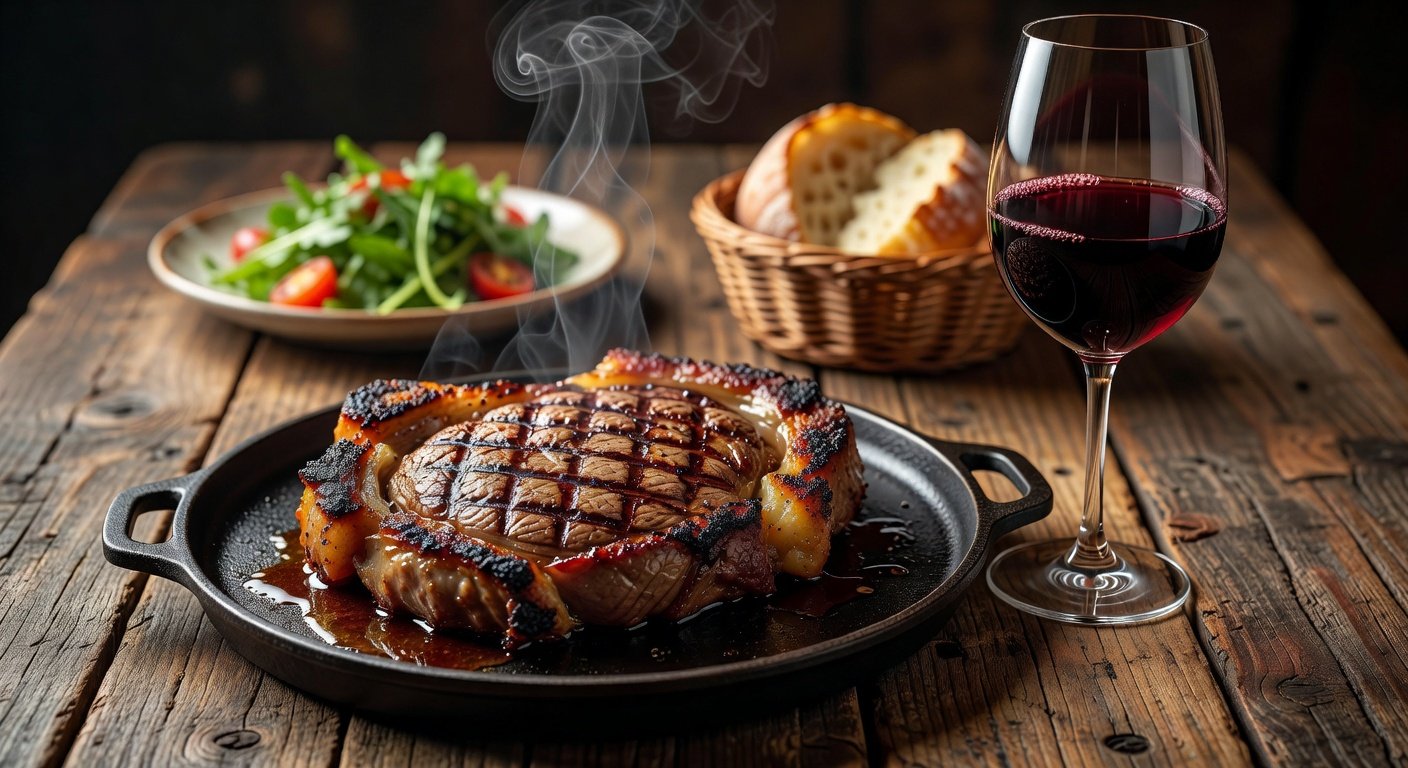
Steak nights are the pinnacle of indulgence, but pairing the right wine can transform a good meal into an unforgettable symphony of flavors. As a sommelier, I've spent years mastering the art of matching bold, juicy steaks with wines that complement their richness. In 2026, with innovative winemaking and a focus on balance, the rules are evolving—but the fundamentals remain: tannins to cut through fat, acidity to refresh the palate, and fruit-forward notes to enhance umami.
This guide dives deep into sommelier-approved pairings for popular steak cuts like ribeye, filet mignon, and flank steak. We'll explore the science behind food-wine synergy, share seven specific recommendations to impress at your next dinner, and offer beginner-friendly tips. Whether you're grilling or pan-searing, these pairings ensure harmony on every bite.
Understanding Key Steak Cuts and Their Pairing Needs
Not all steaks are created equal, and neither should their wines be. Each cut has unique fat content, texture, and flavor intensity that demands a tailored match.
- Ribeye: Marbled with fat, buttery, and robust. Needs high-tannin wines to balance the richness.
- Filet Mignon: Lean, tender, and mild. Calls for elegant reds with bright acidity to add excitement.
- Flank Steak: Lean, fibrous, and beefy. Pairs best with spicy, fruit-driven wines that tenderize perceived toughness.
- Bonus Cuts: New York strip (balanced fat), T-bone/Porterhouse (mixed textures), and skirt steak (intense flavor).
Pro tip: Cooking method matters. Grilled steaks love smoky wines like Syrah; seared ones pair with structured Bordeaux blends. For authoritative steak info, check the National Cattlemen's Beef Association.
The Science of Wine Pairing: Tannins, Fat, and Protein
Great pairings aren't guesswork—they're chemistry. Red wines' tannins (from grape skins) bind to steak's proteins and fats, creating a velvety mouthfeel. High-fat cuts like ribeye tame aggressive tannins, while lean ones like filet need softer wines.
Key principles:
- Tannin-Fat Balance: Bold tannins + high marbling = silkiness. Example: Cabernet Sauvignon's grip cuts ribeye fat.
- Acidity Refresh: Cuts through richness, cleansing the palate. Malbec's vibrancy shines with flank.
- Fruit Intensity Match: Ripe black fruits echo steak's savoriness without overpowering.
- Alcohol Level: 13-15% ABV amplifies flavors; higher can overpower lean cuts.
Research from wine experts confirms this: tannins act like a "molecular sponge," absorbing fat for perfect harmony. Dive deeper at Wine Folly, a trusted resource for pairing science.
7 Expert Sommelier Wine Pairings for Steaks
Here are seven battle-tested combinations, selected for 2026's top vintages and global trends. Each includes why it works, serving tips, and price range (under $50 for accessibility).
- Ribeye + Napa Valley Cabernet Sauvignon: The king of pairings. Cab's cassis, cedar, and firm tannins melt into ribeye's marbling. Chill slightly (60°F). Try Caymus Napa Valley (~$80, splurge-worthy).
- Filet Mignon + Bordeaux Left Bank Blend: Merlot-Cabernet elegance adds earthiness to tender filet. Silky texture matches melt-in-mouth beef. Château Margaux style, but go Château Pey La Tour (~$25).
- Flank Steak + Argentine Malbec: Juicy plum and violet notes cut flank's chewiness; spice counters grill char. Catena Zapata (~$20). Marinate steak in chimichurri for synergy.
- New York Strip + Australian Shiraz: Peppery blackberry tackles strip's balanced fat. Smoky oak echoes sear. Penfolds (~$30).
- T-Bone + California Zinfandel: Bold jammy fruit bridges tenderloin and strip. Ridge Vineyards Lytton Springs (~$40).
- Porterhouse + Italian Super Tuscan: Sangiovese-Cab blend's herbs and structure handle dual textures. Antinori Tignanello (~$45, iconic).
- Skirt Steak + Spanish Tempranillo: Smoky, leather notes enhance fajita-style skirt. Rioja Reserva like Marqués de Riscal (~$20).
Beginner-Friendly Tips for Steak and Wine Pairing Success
New to sommelier-level pairing? Start simple:
- Assess Your Steak: Fatty? Go tannic. Lean? Choose fruit-forward.
- Temperature is Key: Serve reds at 55-65°F, not room temp, to unlock aromas.
- Decant Bold Reds
- Glassware Matters: Large Bordeaux glasses concentrate aromas.
- Experiment Locally: 2026 trends favor sustainable vintages—seek organic Cabs.
Step-by-step pairing process:
- Choose cut and cook (rare-medium for max juiciness).
- Select wine by body: light steak = medium red; heavy = full-bodied.
- Taste wine alone, then with steak—adjust with side sauces if needed.
- Pair sides wisely: Avoid acidic salads with high-tannin wines.
Common Mistakes to Avoid in Steak-Wine Pairing
Even pros slip up. Steer clear of:
- Overly Oaked Wines: Dominate subtle filets.
- Chilled Reds: Mutes flavors; aim for cellar temp.
- White Wines: Rarely work unless buttery Chardonnay for very lean cuts.
- Ignoring Cooking: Overcooked steak needs softer wines.
- Budget Blindness: $20 gems outperform $100 misses.
For more sommelier insights, visit Wine Spectator.
FAQs: Steak and Wine Pairing Essentials
Q: Can I pair sparkling wine with steak?
A: Yes, for lean cuts—Prosecco's bubbles cut fat like acidity.
Q: Best wine for wagyu?
A: Premium Pinot Noir; its earthiness matches melt.
Q: Vegan steak alternatives?
A: Portobello with lighter reds like Gamay.
Q: 2026 trends?
A: Climate-resilient hybrids like Italian Nero d'Avola rising.
Conclusion: Master Steak Pairings Like a Sommelier
With these sommelier secrets, your 2026 steak dinners will dazzle. Focus on balance—tannins to fat, acidity to protein—and experiment confidently. Grab a bottle, fire up the grill, and savor the magic. Your guests will toast to your expertise!

No comments yet. Be the first!