 Uncorked Conversations
Introduction to Wine Faults in Modern Tasting
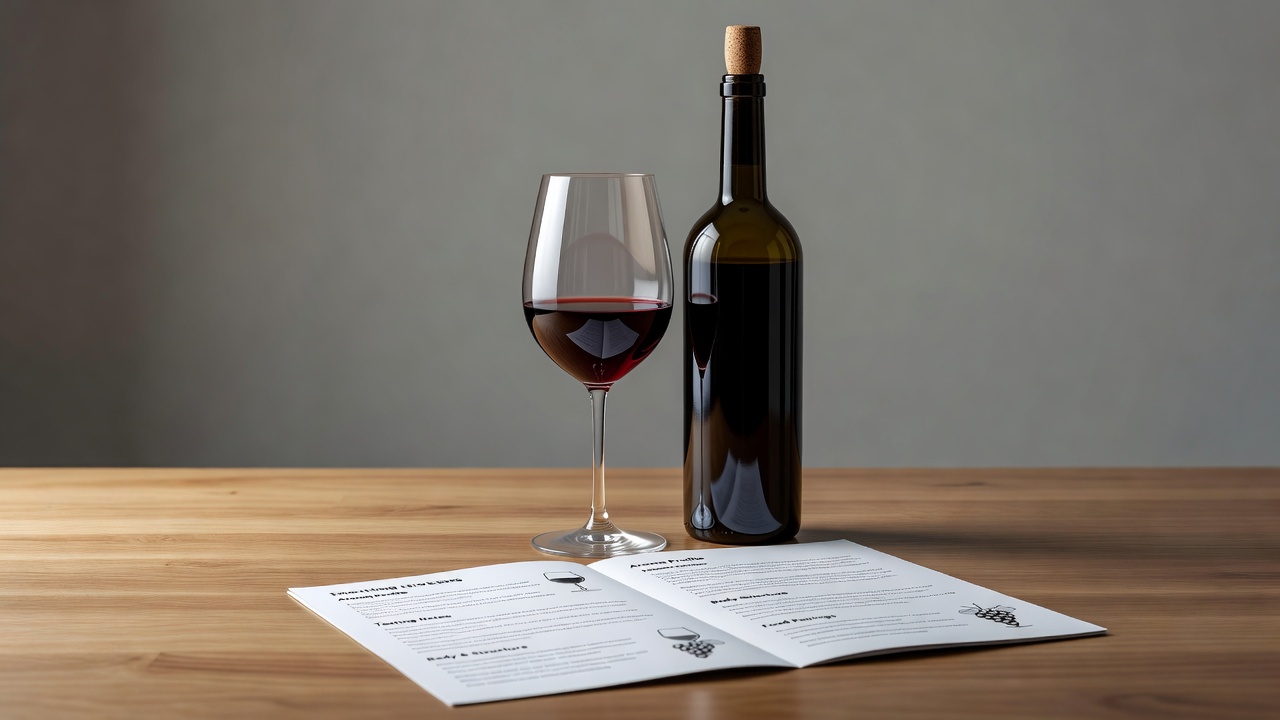
Accurate tasting notes form the foundation of reliable wine evaluations in 2026. Spotting faults early allows reviewers to distinguish true quality from defects that skew aromas, flavors, and overall impressions. This guide equips enthusiasts with step-by-step methods for blind tastings, real-world examples, and language adjustments that produce more precise reviews. Wine faults can dramatically alter a bottle's profile, turning what should be a vibrant expression of terroir into something muted or unpleasant. Understanding these issues builds advanced sensory skills essential for anyone serious about wine criticism or personal enjoyment.
Common faults such as cork taint, oxidation, volatile acidity, and reduction appear frequently even in premium bottles. Recognizing them prevents inflated scores and helps tasters describe wines honestly. In today's competitive wine market, where scores influence purchasing decisions, precise identification separates amateur notes from professional ones. This comprehensive approach covers identification during blind tastings, comparisons between clean and flawed samples, and practical adjustments to review language for better accuracy.
Understanding Cork Taint in Depth
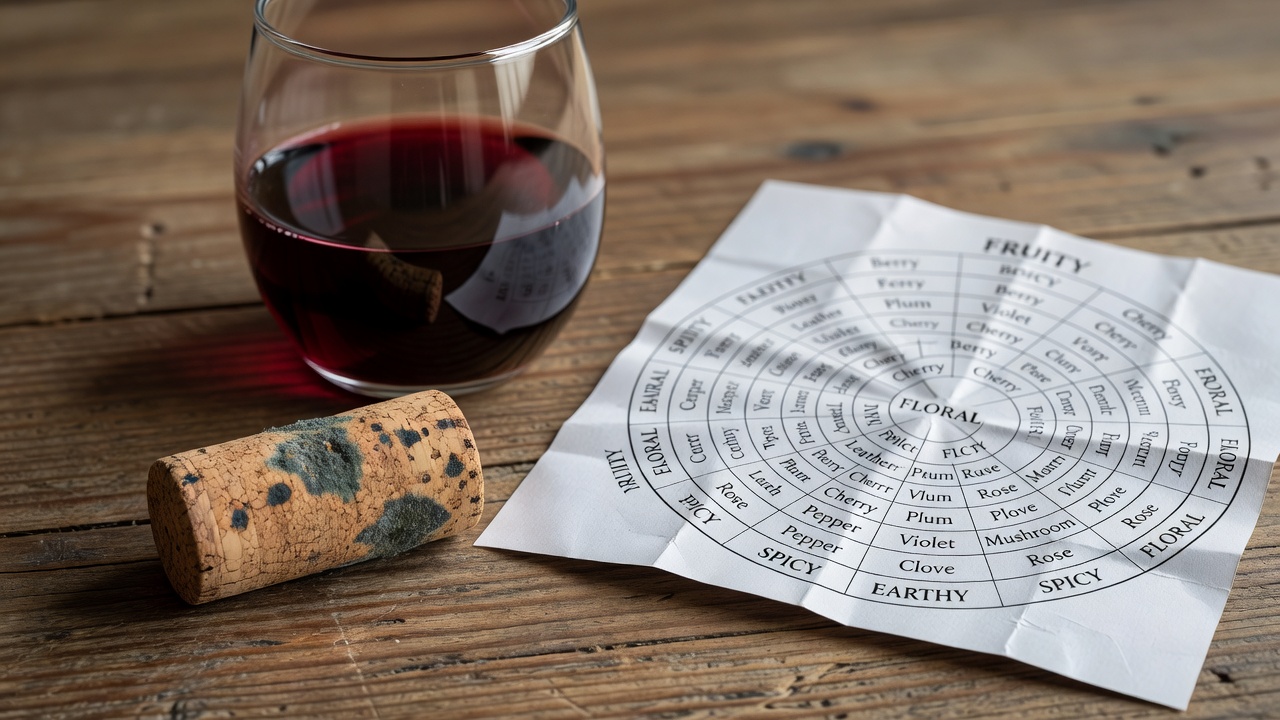
Cork taint arises primarily from trichloroanisole (TCA) contamination in natural corks. It suppresses fruit aromas and introduces musty, wet-cardboard notes that can range from subtle to overwhelming. In blind tastings, start by assessing the first sniff: if primary fruit characters seem muted or absent despite expected varietal traits, suspect taint. TCA binds to cork material during production and migrates into the wine, affecting up to 5% of bottles sealed with natural cork according to industry estimates.
Compare a fault-free sample, such as a vibrant Sauvignon Blanc with gooseberry and citrus, against a tainted counterpart where those notes vanish behind damp basement odors. The impact on flavor includes a flat mid-palate and shortened finish. Adjust review language by noting "aroma suppression" rather than vague "low intensity." Real-world examples include Chablis bottles where mineral notes disappear entirely, leading reviewers to downgrade scores by 10-15 points. Prevention tips involve choosing screw-cap or synthetic closures for sensitive wines, though natural cork remains popular for aging potential.
Detecting Oxidation with Practical Examples
Oxidation occurs when excessive oxygen exposure dulls a wine's vibrancy over time or during faulty winemaking. White wines turn sherry-like with nutty or bruised-apple aromas, while reds lose primary fruit and gain leather or dried-fruit tones prematurely. During blind tastings, observe color first: premature browning signals potential issues before the nose confirms them. This fault often develops in bottles stored upright for long periods or with compromised corks allowing air ingress.
Step-by-step identification includes swirling to release volatiles, then noting whether expected freshness has been replaced by flat or aldehydic qualities. Fault-free versions retain bright acidity and layered fruit; flawed ones taste tired and one-dimensional. For instance, a young Pinot Noir should show cherry and earth, but an oxidized version presents dried fig and caramel instead. Reference authoritative resources like the Wine Institute for broader context on storage impacts. In 2026 evaluations, noting oxidation helps consumers avoid overpaying for prematurely aged bottles.
Identifying Volatile Acidity and Its Effects
Volatile acidity (VA) produces vinegar-like or nail-polish aromas from elevated acetic acid levels. It often develops in warm climates or poorly managed fermentations where bacteria convert alcohol into acetic compounds. In tasting, inhale deeply after swirling: sharp, solvent edges that overpower fruit indicate VA. This fault can appear in both reds and whites, though it is more noticeable in lighter styles.
Real-world example: a Barolo with classic tar and rose notes versus one where vinegar dominates the mid-palate, reducing complexity and drinkability. Fault-free samples show balanced integration; flawed ones score lower due to distraction. Use precise descriptors such as "acetic lift" in notes to differentiate from intentional acidity. Home tasters can mitigate minor VA through decanting, but significant levels require rejection. Comparisons reveal how VA masks varietal character, making accurate scoring impossible without acknowledgment.
Recognizing Reduction During Tastings
Reduction stems from low oxygen during winemaking, yielding struck-match, rotten-egg, or rubbery smells from sulfur compounds. These can mask underlying fruit but sometimes evolve positively with aeration. In blind tastings, note initial reductive notes then re-evaluate after 10–15 minutes of air exposure. This fault is common in natural winemaking without sufficient oxygen management.
A fault-free Syrah displays blackberry and spice cleanly, while a reduced version initially presents struck-match before revealing fruit. Adjust language to "initially reductive, opening to..." for accuracy. The UC Davis wine research resources offer deeper chemical insights into sulfur chemistry. Extended examples show how reduction in Riesling can hide petrol notes until properly aerated, affecting early tasting impressions significantly.
Step-by-Step Identification During Blind Tastings
Blind tasting demands systematic evaluation to isolate faults from genuine characteristics. Begin with appearance assessment for clues like browning or haze that hint at oxidation. Next, conduct multiple sniffs at different stages of aeration, noting any evolution in aroma intensity. On the palate, check for balance between fruit, acid, tannin, and any off-notes that persist across sips.
Compare against known clean benchmarks from the same vintage or region to calibrate expectations. Document evolution over 30 minutes to distinguish transient reduction from permanent faults like cork taint. Additional practical steps include using identical glassware, controlling serving temperature, and avoiding strong scents in the tasting environment. This methodical process ensures faults are not confused with stylistic choices such as high acidity in cool-climate wines.
Comparisons of Fault-Free Versus Flawed Samples
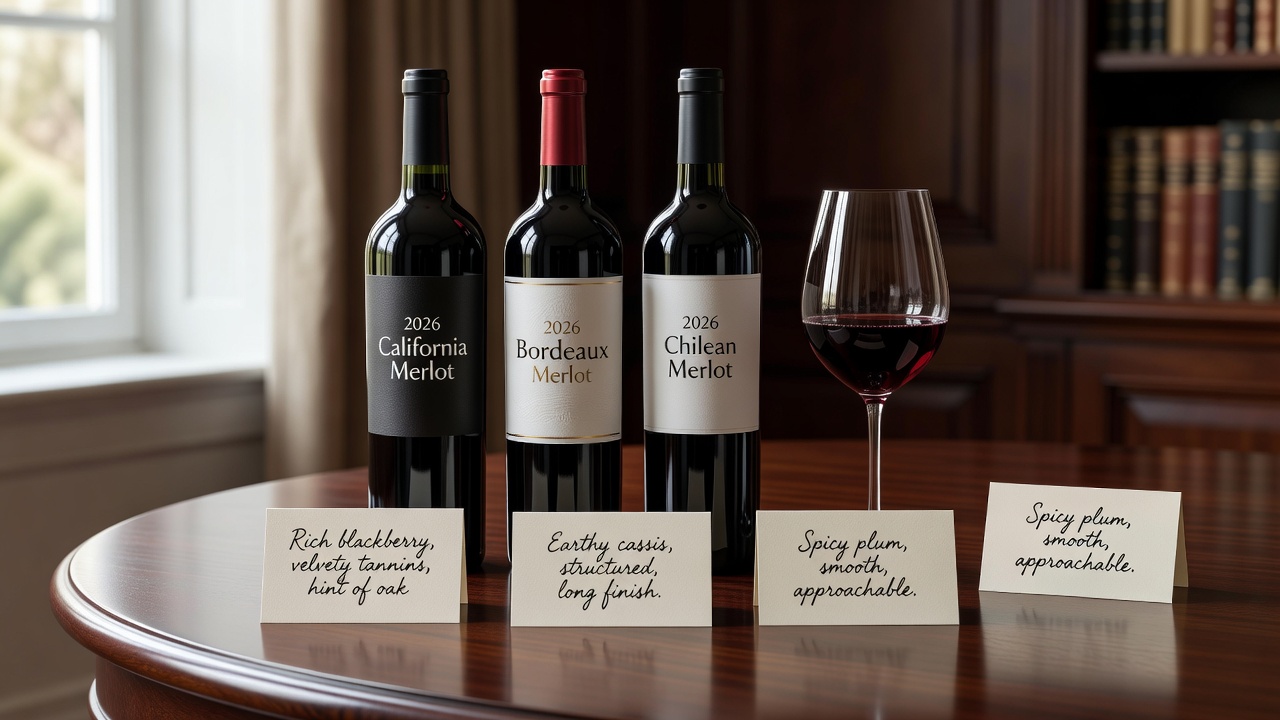
Fault-free wines exhibit vibrant primary aromas, harmonious structure, and clean finishes that reflect their origin. Flawed counterparts show suppressed or distorted profiles that lower overall scores. For example, a clean Cabernet Sauvignon offers blackcurrant and cedar, while its oxidized twin tastes flat with prune notes. These comparisons train the palate to detect subtle differences quickly during group tastings or solo practice sessions.
Checklist for Home Tasters
- Store bottles upright before opening to minimize cork contact and potential taint migration.
- Use clean, neutral glasses free of detergent residue that could interfere with aromas.
- Decant suspect bottles and re-taste after 20 minutes to observe changes.
- Cross-reference with professional reviews from sources like Decanter for calibration against expert opinions.
- Track personal thresholds by tasting known faulty samples alongside clean ones in controlled sessions.
- Record detailed notes immediately to capture first impressions before memory fades.
Adjusting Review Language for Accuracy
Replace generic terms like "off" with specific fault descriptors that convey precise information. A cork-tainted wine becomes "TCA-affected with muted fruit and wet-cardboard undertones" instead of simply "closed." This precision improves reader trust and personal evaluation skills over time. Incorporate quantitative elements such as intensity scales from 1-10 for aroma suppression when relevant.
Impact on Scores and 2026 Wine Evaluations
Faults directly influence numerical scores in professional reviews, often deducting points for imbalance or distraction. In 2026, with increased consumer access to detailed notes, transparent fault reporting builds credibility. Reviewers who ignore faults risk misleading audiences about wine quality.
FAQs on Wine Faults
Can faults be fixed?
Most cannot. Light oxidation or mild reduction may improve with decanting, but cork taint and high VA are irreversible. When in doubt, note the fault and move to the next sample for objective evaluation.
When should faults appear in tasting notes?
Always record them if they impact the overall experience. Transparent notes build credibility in 2026 evaluations and help others avoid similar disappointments.
How do faults differ from stylistic choices?
Stylistic elements like oak influence or high tannins enhance complexity, whereas faults detract from it. Training with side-by-side samples clarifies this distinction.
Conclusion
Mastering fault detection elevates tasting notes from descriptive to diagnostic. By applying these methods consistently, enthusiasts produce evaluations that reflect true wine quality in 2026 and beyond, fostering deeper appreciation and more informed choices.
No comments yet. Be the first!