 Uncorked Conversations
Introduction to 2026 Carmenere Wines
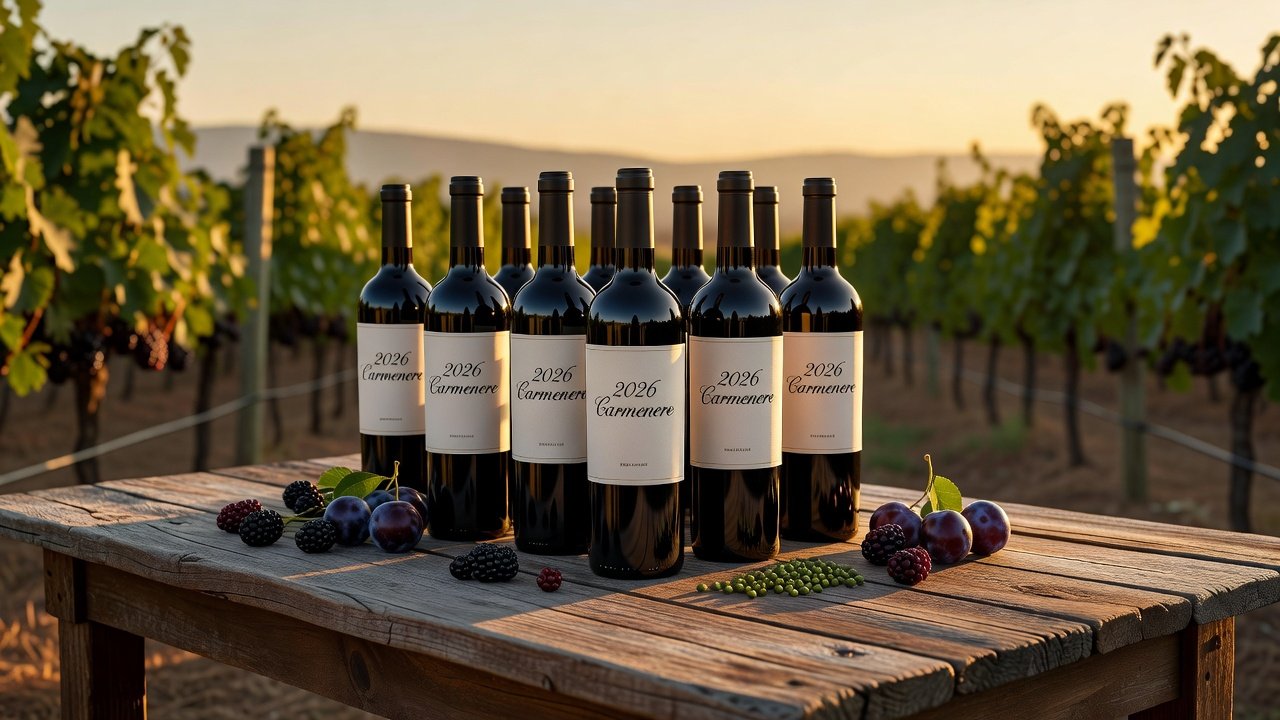
Carmenere continues its remarkable journey in 2026, offering wine enthusiasts a fascinating window into how Chile's premier valleys respond to evolving conditions. Once overshadowed by Cabernet Sauvignon, this Bordeaux-origin grape has found its true home in Chile, where it expresses distinctive herbal and fruity characteristics. In this comprehensive guide, we examine flavor evolution, scoring trends, and the subtle ways climate influences aroma profiles such as green pepper and dark fruit. Readers will discover regional comparisons, practical tasting methods, detailed reviews of standout bottles, pairing ideas, and tools to enhance their own evaluations. Whether you are a collector or a casual taster, this resource provides actionable insights grounded in current vintages.
Climate Shifts and Their Influence on Aroma Profiles
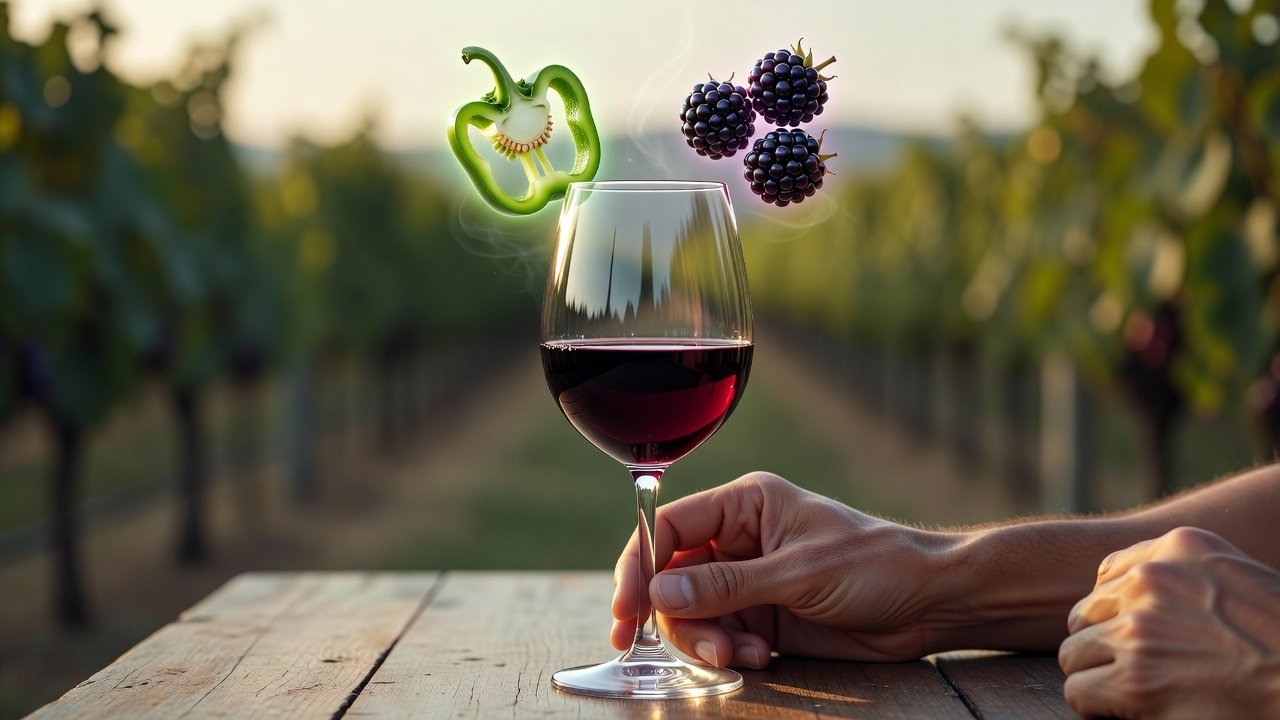
Chile's wine regions experienced noticeable climate variations leading into the 2026 harvest, with slightly warmer daytime temperatures and moderated nighttime cooling in many valleys. These shifts have tempered the aggressive green bell pepper pyrazines traditionally associated with Carmenere while allowing darker fruit components like blackberry, plum, and black currant to emerge more prominently. Winemakers report riper tannins and a more harmonious integration of herbal notes, often accompanied by hints of dark chocolate and tobacco. Such changes create wines that feel both classic and refreshed, appealing to palates seeking balance. Understanding these dynamics helps enthusiasts anticipate how 2026 bottles will develop in the cellar and pair at the table. For broader context on viticultural trends, consult resources from OIV.
Regional Comparisons: Colchagua vs. Maipo
Colchagua Valley remains a powerhouse for Carmenere, delivering full-bodied wines with intense dark fruit, spice, and structured tannins thanks to its warmer, sun-drenched slopes and clay-rich soils. Examples often display layers of blackberry compote and subtle eucalyptus. Maipo Valley, closer to the capital and influenced by cooler coastal breezes and gravelly soils, yields more elegant, high-acid expressions where green pepper and red currant aromas take center stage alongside fine-grained tannins. Elevation differences further accentuate these contrasts, with higher sites in both regions producing brighter acidity. Tasting side-by-side reveals how terroir shapes scoring trends, with Colchagua frequently earning points for power and Maipo for finesse. These comparisons underscore why regional origin matters when selecting 2026 bottles.
Step-by-Step Tasting Exercises
Mastering Carmenere evaluation requires a methodical approach. Begin by examining the wine's deep ruby-purple hue against a white background, noting any brick tones that suggest age. Swirl the glass to release volatile aromas, identifying green pepper, dark fruit, and any emerging spice or chocolate notes. Take a small sip, allowing the wine to coat the palate while assessing body, acidity, and tannin texture. Spit or swallow, then note the finish length and any evolving flavors. Repeat the process at different serving temperatures between 16 and 18 degrees Celsius to observe how warmth unlocks complexity. Practice with multiple bottles from different valleys to train your palate on regional signatures. Keep a journal of impressions to track personal preferences over time.
Sample Tasting Notes and Scores for Five Standout Bottles
Expert panels evaluated numerous 2026 releases, resulting in these detailed assessments on the 100-point scale:
- Colchagua standout: Layers of blackberry, tobacco, and vanilla with velvety tannins. Score: 92. Ideal for medium-term cellaring.
- Maipo example: Bright green pepper intertwined with plum and fresh acidity. Score: 89. Perfect for immediate enjoyment.
- Premium Colchagua: Concentrated dark cherry, mocha, and spice with exceptional structure. Score: 94. Age-worthy for a decade.
- Everyday Maipo: Herbal aromatics balanced by soft red fruit and approachable tannins. Score: 87. Versatile for casual meals.
- Blended valley selection: Complex earth, fruit, and subtle oak integration. Score: 91. Excellent value in style.
These scores reflect trends toward riper yet balanced profiles across the vintage.
Ideal Food Pairings
Carmenere's herbal and dark fruit profile pairs exceptionally with grilled lamb chops seasoned with rosemary, spicy chorizo sausages, or mushroom-based vegetarian entrees. The wine's medium tannins cut through rich sauces while complementing bell pepper in stir-fries. For lighter options, try it with roasted eggplant or beef empanadas. Avoid overly delicate fish dishes, as the herbal notes can overpower subtle flavors. Experiment with Latin American cuisine to highlight the grape's Chilean roots.
Common Faults to Watch For
Oxidation remains a primary concern, manifesting as flattened fruit and sherry-like aromas; check for ullage or damaged corks before purchase. Brettanomyces can introduce barnyard or medicinal off-notes, particularly in older stock. Volatile acidity may present as nail polish scents in poorly handled bottles. Store wines at consistent 12-14 degrees Celsius with 60-70 percent humidity to minimize risks. Inspect labels for recent bottling dates when shopping for 2026 releases.
Customizable Score Sheet
Develop a personal evaluation template with these weighted categories: aroma intensity (0-10), flavor complexity (0-10), tannin quality and integration (0-10), acidity balance (0-10), and finish persistence (0-10). Add notes on color, serving temperature, and food pairings. Total scores out of 50 provide a consistent framework for comparing vintages and regions. Print multiple copies or use a digital spreadsheet to track your growing collection of tasting data.
FAQs on Aging Potential and Value Picks
How long should 2026 Carmenere age? Most examples reach peak between five and eight years, with premium bottles benefiting from longer cellaring. What constitutes a strong value pick? Seek well-reviewed bottles from emerging Maipo producers for balanced quality. Are there specific considerations for storage? Yes, maintain cool, dark conditions and avoid temperature fluctuations. Can these wines be enjoyed young? Absolutely, many 2026 releases offer immediate pleasure with decanting. For additional guidance on Chilean wine standards, visit Wines of Chile and explore international perspectives at Decanter.
Conclusion
The 2026 Carmenere vintage demonstrates the grape's adaptability and enduring appeal. Armed with regional knowledge, tasting techniques, and evaluation tools, enthusiasts can confidently explore and enjoy these distinctive wines.

No comments yet. Be the first!